
Last updated November 17, 2026
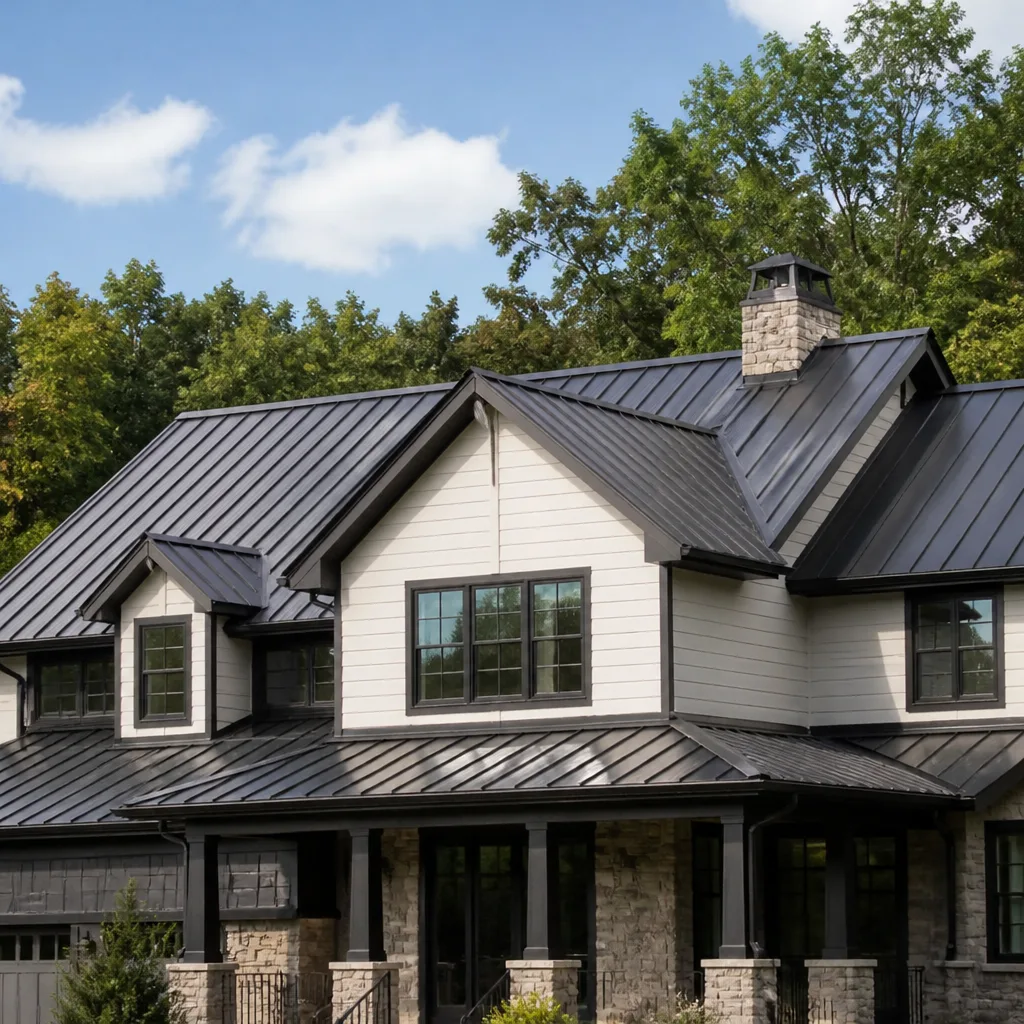 Metal roofing
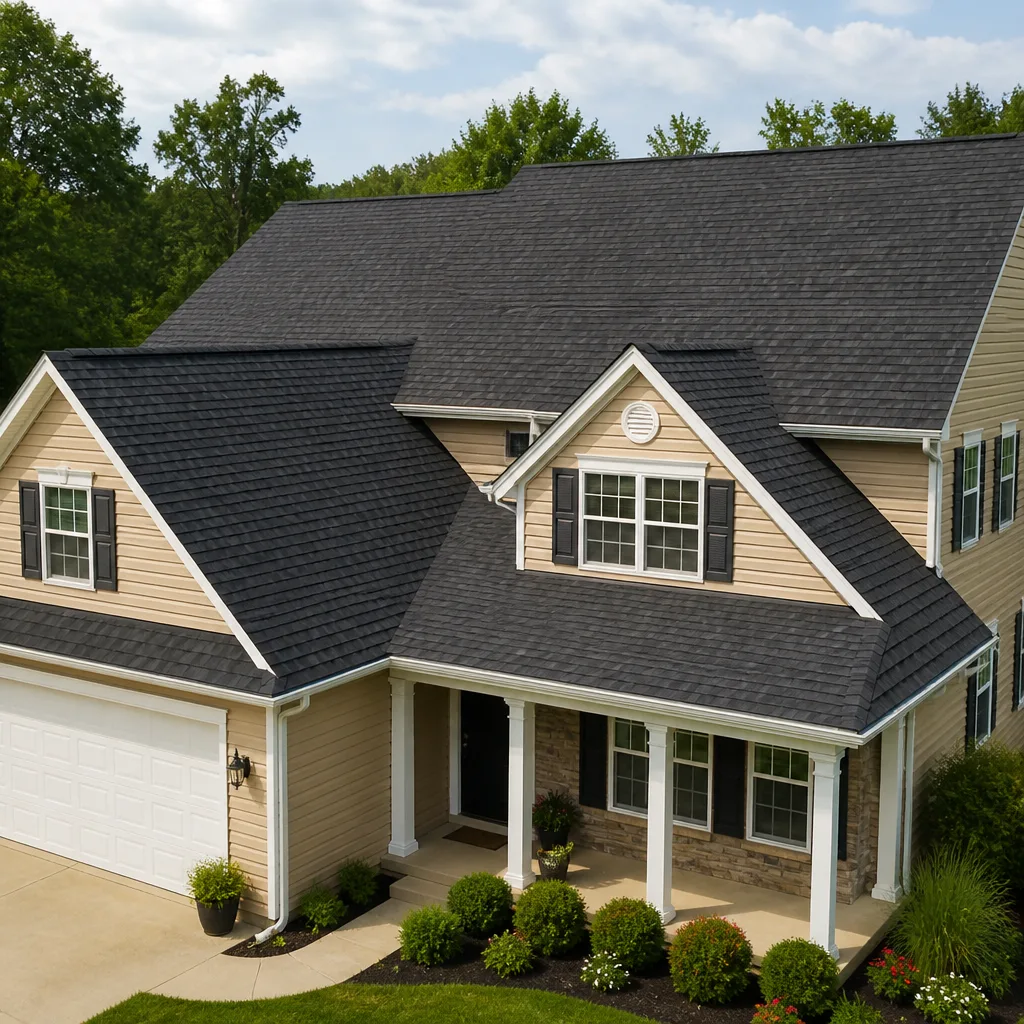 Architectural shingles
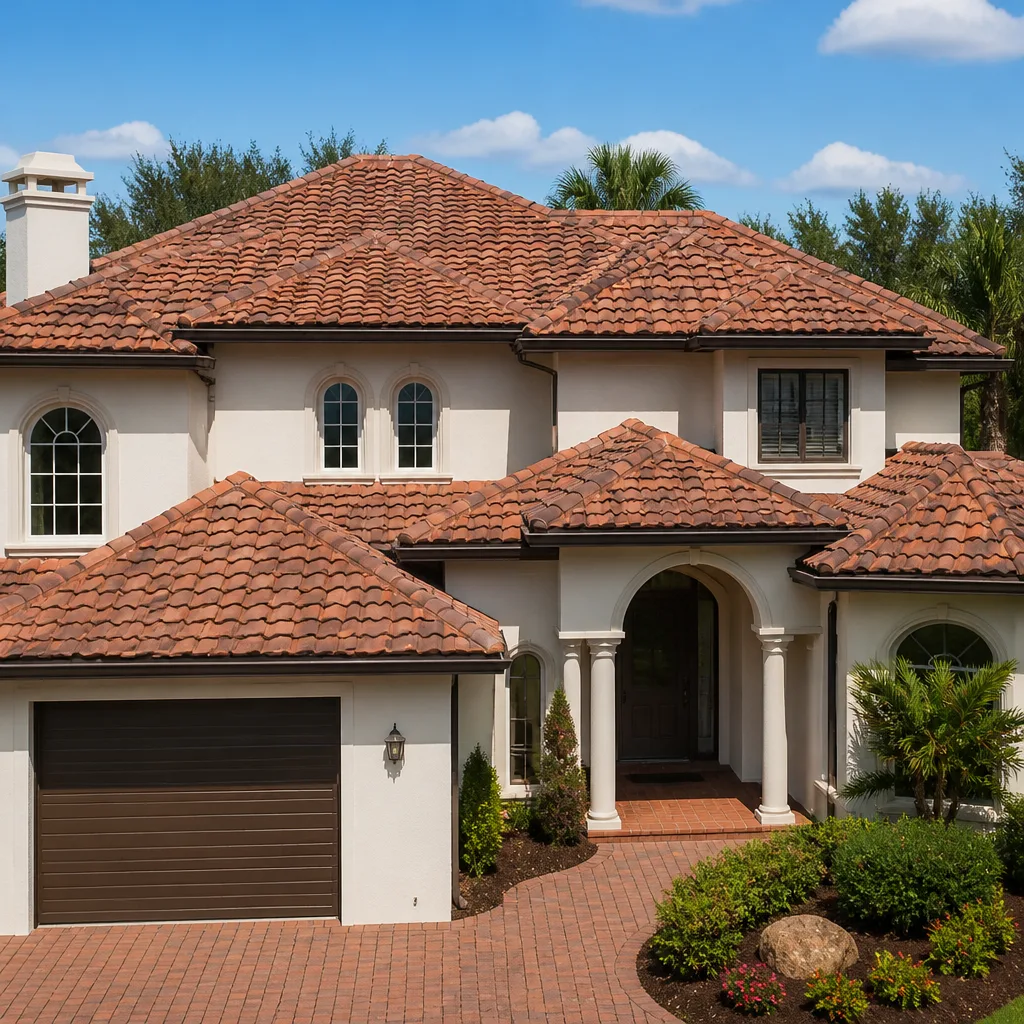 Tile roofing
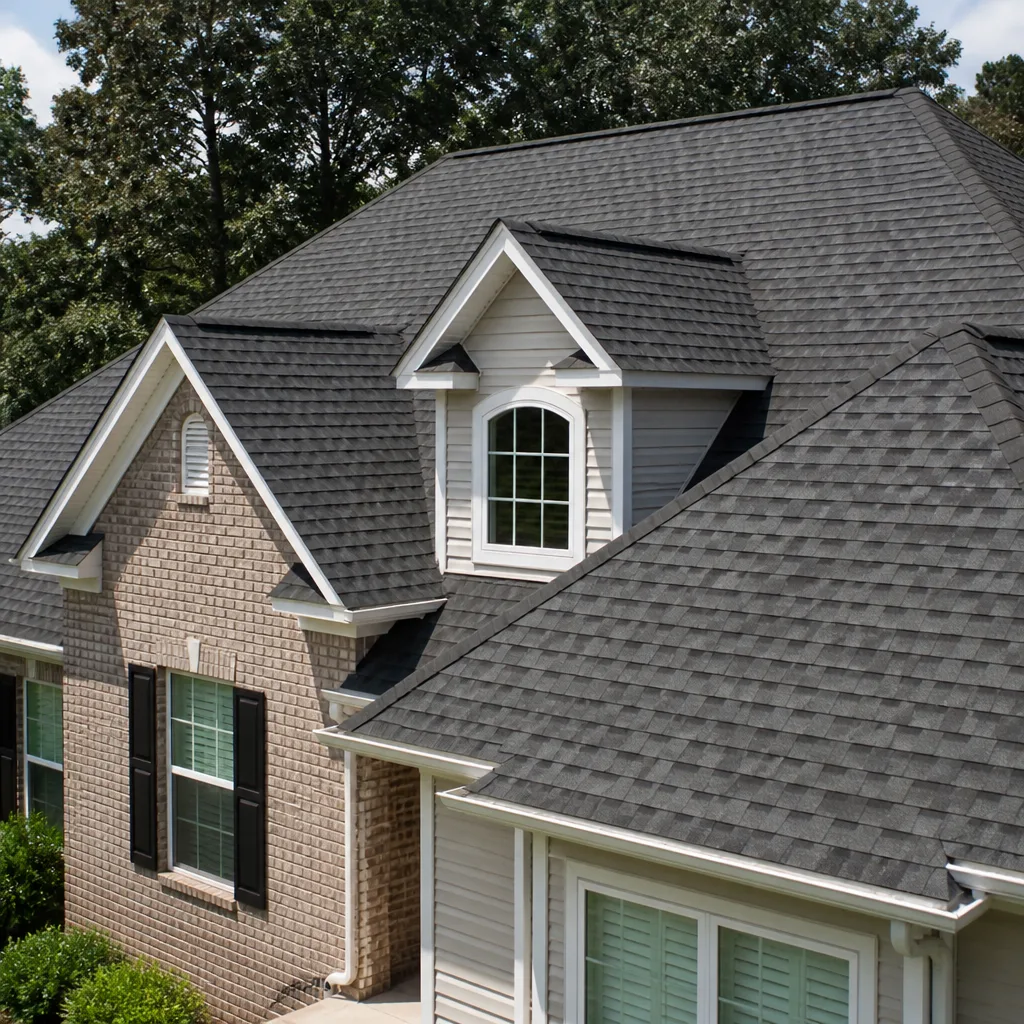 GAF
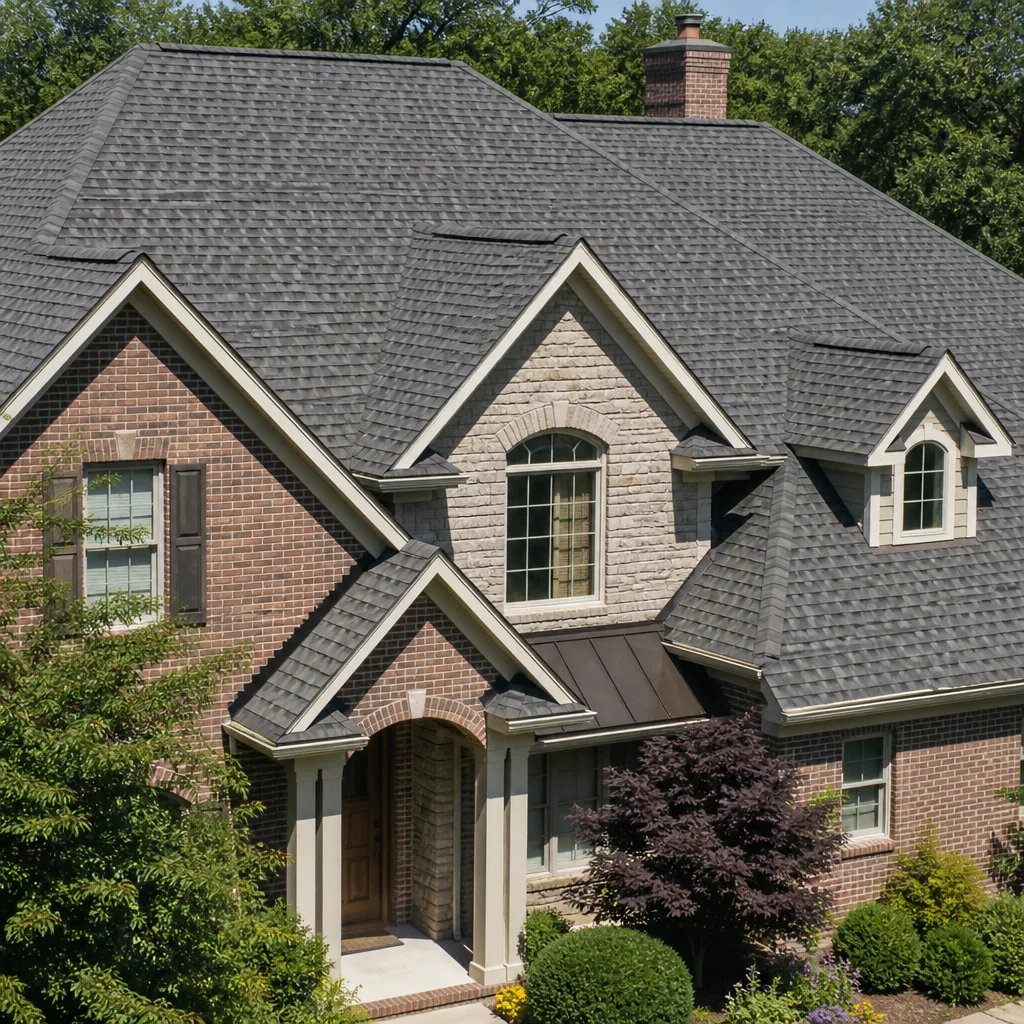 Owens Corning
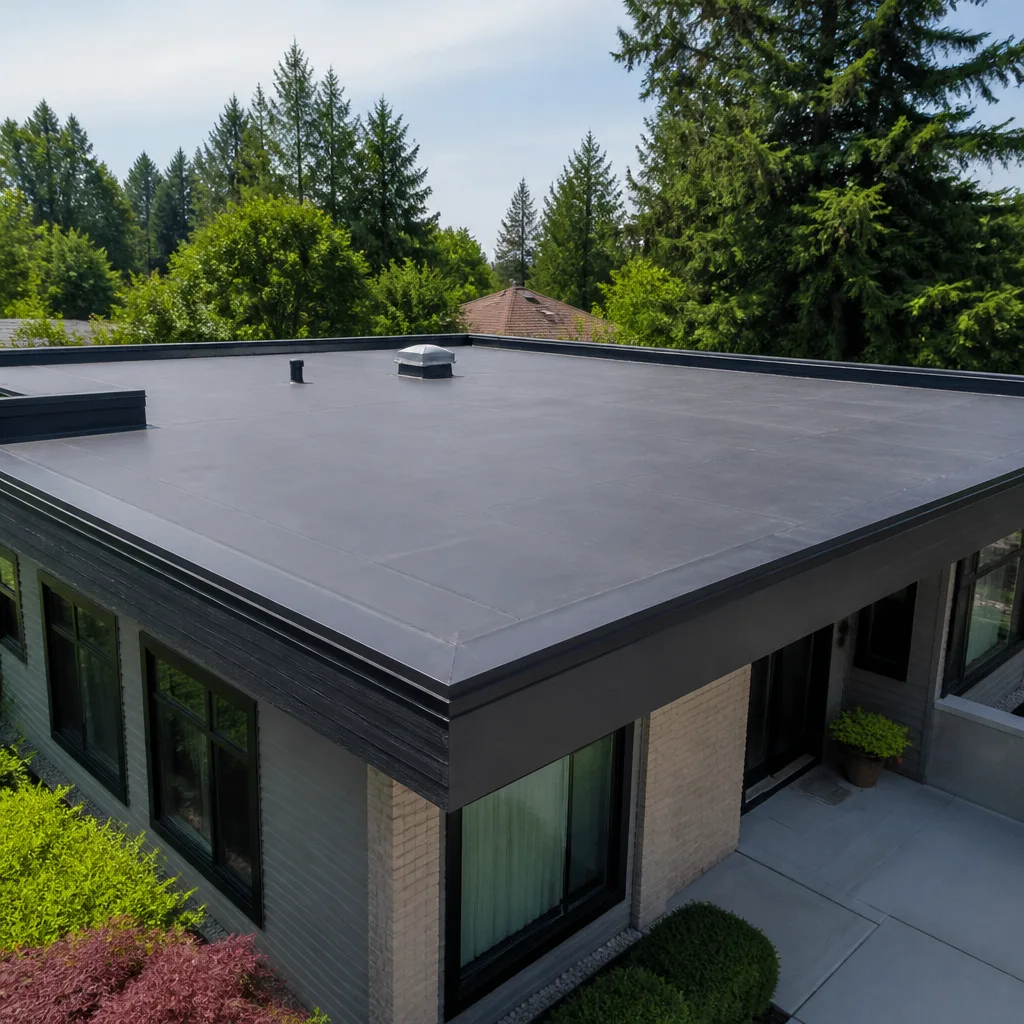 Flat & low-slope
Free roof inspection with deck photos before we talk money - GAF and Owens Corning certified installation
How to Hire a Roofing Contractor in Winchester: A Step-by-Step Guide
Nevada’s contractor licensing board lists dozens of license classifications. A painting contractor and a roofing contractor can both legally call themselves “contractors” – only one of them belongs on your roof. That gap between what a license allows and what a homeowner assumes is where most hiring mistakes in Winchester start. This guide walks you through checking the right license, reading a bid line by line, asking questions that reveal whether a crew does roofing daily or as a side job, and understanding what manufacturer certification actually unlocks. By the end, you’ll know how to hire in Winchester with your eyes open.
Quick Answer
To hire a roofing contractor in Winchester, verify an active C-15 roofing license through the Nevada State Contractors Board, confirm the contractor carries liability and workers’ comp coverage, get a written line-item bid that names materials and includes underlayment and tear-off, and check manufacturer certification before you trust any warranty talk. Ask material-specific questions – a roofing specialist can answer them in plain terms, a generalist usually can’t.
Styles & brands we work with
- Architectural shingles
- Metal roofing
- Tile roofing
- GAF
- Owens Corning
- Flat & low-slope
Table of Contents
- Why the C-15 License Matters More Than the Word “Contractor”
- How to Verify a Nevada C-15 Roofing License
- What Manufacturer Certification Actually Unlocks
- Questions That Reveal Whether a Contractor Does Roofing Daily
- What a Legitimate Winchester Roofing Bid Must Include
- How to Read Roofing Reviews the Right Way
- Repair or Replace: Getting an Honest Answer
- Winchester Climate and What It Does to Roofs
Why the C-15 License Matters More Than the Word “Contractor”
“Licensed and insured” gets stamped on every truck and every website, but the word “licensed” tells you nothing until you know which license. In Nevada, contractor classifications are specific. A C-15 is the roofing classification. A general contractor holding a different class can do many things legally, but roofing isn’t automatically one of them at the depth a roof demands.
Here’s the practical consequence: a general contractor who “also does roofing” may subcontract the roof to whoever is available, or install to a standard that satisfies the bid rather than the manufacturer’s warranty requirements. Both outcomes show up years later, in a leak at a valley, a lifted shingle, or a warranty claim denied because the installer wasn’t certified for the product line.
We work on roofs in Winchester every day, and the difference between a roofing-only crew and a jack-of-all-trades outfit isn’t marketing language. It’s in how they flash a chimney, how they sequence underlayment at a valley, and whether the person running the job can explain why one shingle line suits your roof pitch and another doesn’t.
Before you call anyone, know what you’re shopping for: a roofing specialist holding an active C-15 license, insured and bonded, who will put the scope in writing. Roofer Winchester operates on exactly that footing – roofing only, three services, no side work.
How to Verify a Nevada C-15 Roofing License
Verification takes about ten minutes and it’s the single most valuable step in this guide. Use the Nevada State Contractors Board’s public license lookup, not the contractor’s own website. Follow this sequence:
- Get the license number in writing. Ask for it in an email or on the bid. A contractor who hesitates here has told you something.
- Search the state board’s lookup. Enter the number and confirm the classification reads C-15 (roofing). A different class means the holder isn’t licensed specifically for roofing.
- Check the status. The listing should show an active license, not suspended, expired or revoked.
- Confirm the business name matches. The name on the license should match the name on your bid and the name on the insurance certificate. Mismatches are a red flag for a borrowed license or an unlicensed operator using someone else’s number.
- Verify insurance and bonding. Ask for a certificate of insurance showing both general liability and workers’ compensation, and confirm the policy is current. A crew member injured on your roof with no workers’ comp coverage is a problem that lands on you.
If a contractor can’t produce a C-15 number, stop there. Everything else in this guide assumes the license checks out.
One more check worth doing: ask the board lookup for any complaints or disciplinary history attached to the license. It’s public information, and a clean record is a good sign. If you’re already weighing whether a repair is worth doing at all, our roof repair page explains what a repair scope typically covers in Winchester.
What Manufacturer Certification Actually Unlocks
Manufacturer certification is where homeowners get sold without realizing it. Programs like GAF Master Elite, CertainTeed SELECT ShingleMaster and Owens Corning Preferred are real, and they’re worth understanding – but only a few of these contractors qualify, and the differences matter more than the badge on a website.
What certification generally affects:
- Warranty tiers. The strongest manufacturer warranties are usually reserved for installations by certified contractors. A non-certified installer may still buy the shingles, but the extended coverage tier often isn’t available to them.
- Workmanship coverage. Some manufacturers bundle a workmanship component with the product warranty when the installer is certified. Without certification, workmanship coverage falls back to whatever the contractor offers in writing.
- Installation standards. Certification requires the installer to follow the manufacturer’s published installation instructions – nail placement, underlayment, flashing detail, ventilation. Warranties can be voided by deviations from those instructions, which is why the certification question goes straight to installation quality.
Here’s the catch: a contractor who is certified for only one brand will often recommend that brand for every roof. That’s the incentive problem. We work with seven major shingle lines – GAF, CertainTeed, Owens Corning, IKO, Atlas, Tamko and Boral – so recommendations follow your budget and your home, not a single dealer arrangement. Whether you’re comparing an Owens Corning Duration against a CertainTeed Landmark or a GAF Timberline, you should be able to hear a straight comparison of each, not a script for one.
Ask the contractor which brands they’re certified to install and whether the warranty tier they’re quoting requires that certification. The answer should be specific and checkable against the manufacturer’s own contractor directory.
Questions That Reveal Whether a Contractor Does Roofing Daily
“How long have you been in business?” is a reasonable question, but it doesn’t tell you whether anyone on the crew touches a roof every week. Material questions do. A roofing specialist answers these in plain trade terms without pausing to think. A generalist who does roofing occasionally will reach for generalities.
- “What’s the difference between a three-tab and an architectural shingle, and which does my roof pitch suit?” A roofer who installs daily will talk through weight, wind rating and appearance without hedging. Someone who rarely installs will steer back to price.
- “How do you flash a chimney at the roof line?” There’s a right way involving step flashing and counter-flashing. Ask them to describe it. Vague answers are your answer.
- “What underlayment do you use and why?” Synthetic underlayment versus felt isn’t a trick question – it’s a marker of whether the contractor thinks about material performance or just bundles.
- “How do you handle ventilation on my roof?” Roofs fail early when intake and exhaust ventilation are mismatched. A roofing specialist thinks about this on every bid; a generalist often doesn’t mention it.
- “Who actually installs the roof – your crew or a subcontractor?” This is the question most homeowners skip. Crews who install roofing every day produce different results than rotating subcontractors. Ask who will be on your roof and whether those installers are covered by the contractor’s workers’ comp policy.
- “Can you walk me through the last roof you inspected and why you recommended repair versus replacement?” You’re not asking for a customer’s name. You’re listening for how they reason. A real specialist can explain the decision logic without naming anyone.
Write the answers down. A contractor who gives you clear, specific answers on material and installation questions is the one to keep talking to.
What a Legitimate Winchester Roofing Bid Must Include
A low bid is often a short bid. The number at the bottom looks competitive because line items are missing, and those missing items become change orders or compromise the roof’s life. Compare bids line by line, not just total to total. Here’s what a complete bid for a roof replacement in Winchester should list:
- Tear-off – removal of the existing layers, and the number of layers being removed. Disposal is a separate cost and should appear.
- Deck inspection and repair allowance – what happens if sheathing is soft or damaged, and how that’s priced. A bid that assumes the deck is perfect is setting up a surprise.
- Underlayment – the specific product and where it goes (field, valleys, eaves).
- Ice and water shield – where it will be applied, especially at valleys and penetrations.
- Flashing – step flashing at walls, counter-flashing at the chimney, and pipe boots. Flashing is where leaks start, and a bid that lumps it into “miscellaneous” is hiding the detail.
- Ventilation – ridge vent, intake vent, or whatever the roof design calls for.
- Shingle brand and product line – named specifically, not “architectural shingles.” Whether it’s an IKO or a CertainTeed line should be written down, along with the warranty tier.
- Number of squares – the roof area being covered, so you can sanity-check the math.
- Permits – who pulls them and whether the cost is included. Most jurisdictions require a permit for a full reroof; ask your city’s building department what applies to your address.
- Cleanup and magnetic sweep – nails in the yard are a safety issue, and a legitimate bid includes the sweep.
Missing line items signal a lowball setup. If a bid doesn’t mention flashing, ventilation, or the specific shingle line, expect those to reappear as change orders – or to be skipped entirely. A written line-item bid is what makes the final price predictable. For a closer look at what a full scope covers, see our roof replacement page.
Pricing varies by roof size, pitch, material and how many layers come off. Your written estimate sets the final price, and ours are free and line by line. Call (833) 390-2853 to schedule yours.
How to Read Roofing Reviews the Right Way
Online reviews matter, but not for the reason most homeowners think. Star averages get gamed. What you’re filtering for is language that tells you who actually did the work.
Read for these signals:
- Specific job descriptions. Reviews that name the type of work – “they replaced the flashing around our skylight” – are more credible than generic praise.
- Subcontractor warnings. A review that says “the crew that showed up wasn’t the crew that gave the estimate” or “different people every day” is a flag for subcontracted labor. When subcontractors rotate, installation consistency suffers.
- Follow-up problems. Filter for reviews that mention leaks returning or warranty claims that stalled. A single negative review means little; a pattern of documentation problems does.
- Responsiveness after the job. Roof work sometimes needs a return visit. Reviews that mention the company came back to fix something tell you about post-install service. This is a better signal than the initial experience.
- Material knowledge mentioned by the reviewer. When a homeowner notes “they explained why they recommended a different shingle line,” it’s a sign the contractor wasn’t selling a single brand.
Cross-check reviews against the state board complaint history. A contractor with strong reviews and a clean board record is the combination worth trusting. If the reviews are glowing but the license lookup shows complaints, trust the board.
Repair or Replace: Getting an Honest Answer
The most expensive roofing mistake isn’t hiring the wrong contractor – it’s paying for a full replacement when a repair would have held. The reverse is also costly: patching a roof that’s already beyond repair just kicks the cost forward with interest. You need the honest answer, not the profitable one.
Several conditions point toward replacement rather than repair:
- Multiple active leaks across different areas of the roof.
- Shingles that are brittle, curling or losing granules across large sections, not just in one spot.
- Flashings that have failed in several places at once, suggesting widespread aging rather than a single isolated problem.
- A roof at or past the end of its shingle warranty life.
- Deck damage that turns out to be extensive once the shingles come off.
Cases where repair usually makes sense: a single isolated leak, storm damage confined to one slope, a flashing failure at a single chimney or vent, or damage around a single penetration.
Here’s where a standalone inspection earns its keep. An inspection before damage escalates gives you a real basis for the repair-or-replace decision rather than a sales pitch. We offer roof inspection as its own service, separate from any sales conversation, because the only way to give you an honest answer is to look before proposing work. In our experience, the honest answer often saves money, and we’d rather tell you a $400 flashing repair will do it than sell you a replacement you don’t need. A proper inspection is how to know the difference. If you want that checkup before a leak turns into interior damage, call (833) 390-2853.
Winchester Climate and What It Does to Roofs
Winchester’s climate puts specific demands on a roof. The desert heat cooks shingles from above, and the extreme day-night temperature swings drive expansion and contraction across the whole assembly. That thermal movement works on flashing, fasteners and sealant lines, and it’s why roofs in Winchester often fail at the edges and penetrations before the field of shingles does.
UV exposure is a slow burn. It breaks down the asphalt in shingles and pulls granules loose. Granule loss on an older roof in Winchester isn’t just cosmetic – it’s a mark of how much of the shingle’s protection is already spent. Heat also accelerates aging on sealant strips, which means that wind lifting shingles becomes more likely on a roof that’s been sitting under the sun for years.
Dust and wind-driven grit matter in this part of Nevada too. Wind pushes debris into valleys and behind flashing, trapping material that holds moisture when rain finally arrives. Valleys and transitions are where we see the most preventable damage on Winchester roofs.
None of this means every roof needs replacement. It means the inspection step deserves real weight in Winchester specifically. A roof that looks fine from the ground can have failed flashing at a chimney that will only show up as a ceiling stain after the next rain. The right hiring decision is a contractor who’ll get on the roof, look at the details, and then explain what they found.
If you’re renting or buying in the area and want the broader context on the neighborhood, our Winchester page covers the local picture.
Common Mistakes to Avoid
- Hiring a general contractor who “does roofing.” A different license class can call itself a contractor, but a roof is a specialist’s job. Check for the C-15 classification before anything else.
- Trusting the word “licensed” without a number. The license number is public and checkable. If a contractor won’t put it on the bid, walk away.
- Choosing the lowest bid without comparing line items. The cheapest number in Winchester is often the shortest scope – missing flashing, ventilation, deck repair allowance or cleanup. Compare what’s included, not just the total.
- Skipping the manufacturer certification question. Warranty tiers often hinge on it. A contractor certified to one brand will recommend that brand for every roof, so ask which brands they install and why they’re recommending this one for your home.
- Accepting a verbal scope of work. An estimate you can’t read line by line is an estimate you can’t hold anyone to. Get it in writing, with material names and quantities.
- Not asking who actually installs the roof. Subcontracted crews that rotate in and out are a common source of installation inconsistency and warranty problems. Ask before the bid is signed.
- Replacing when a repair would do. An inspection should come before a recommendation, not after. If a contractor quotes a full replacement without getting on the roof, get a second opinion from someone who inspects first.
See the difference
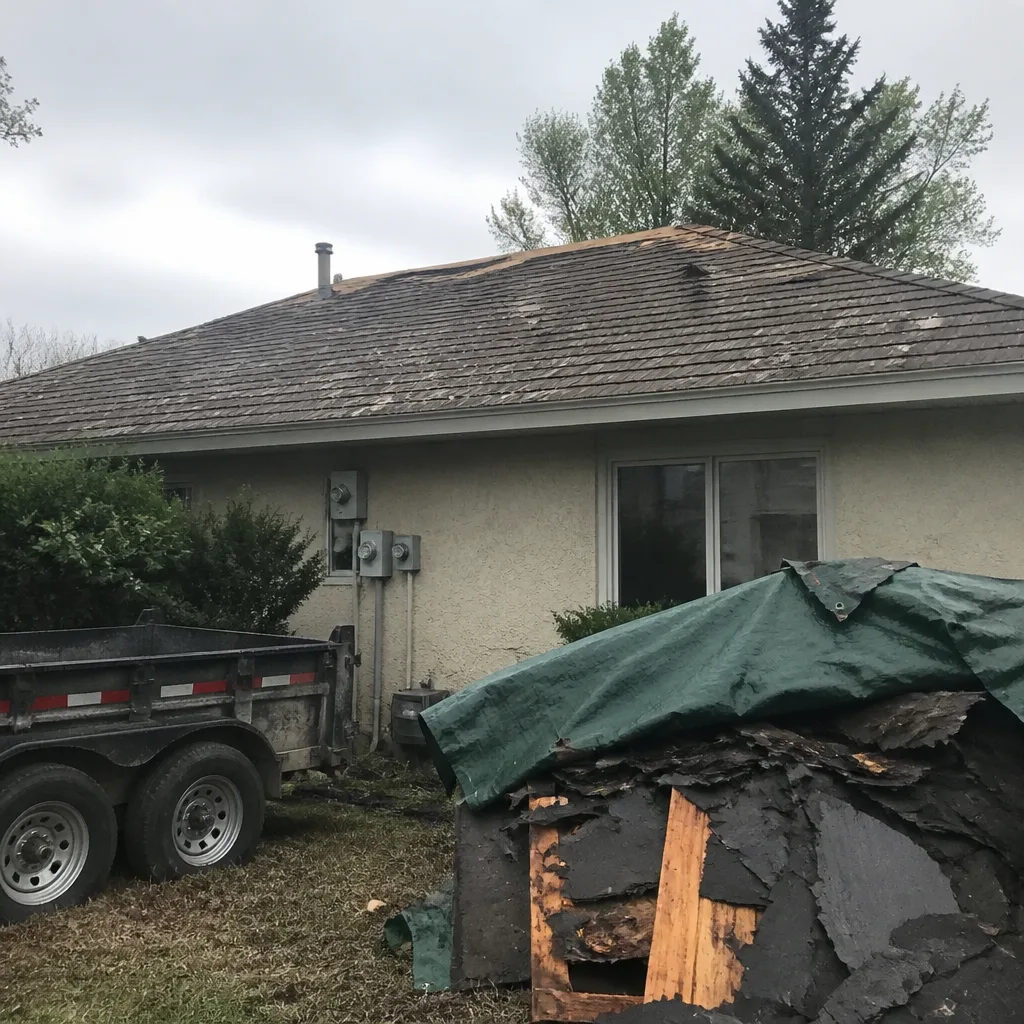 Before
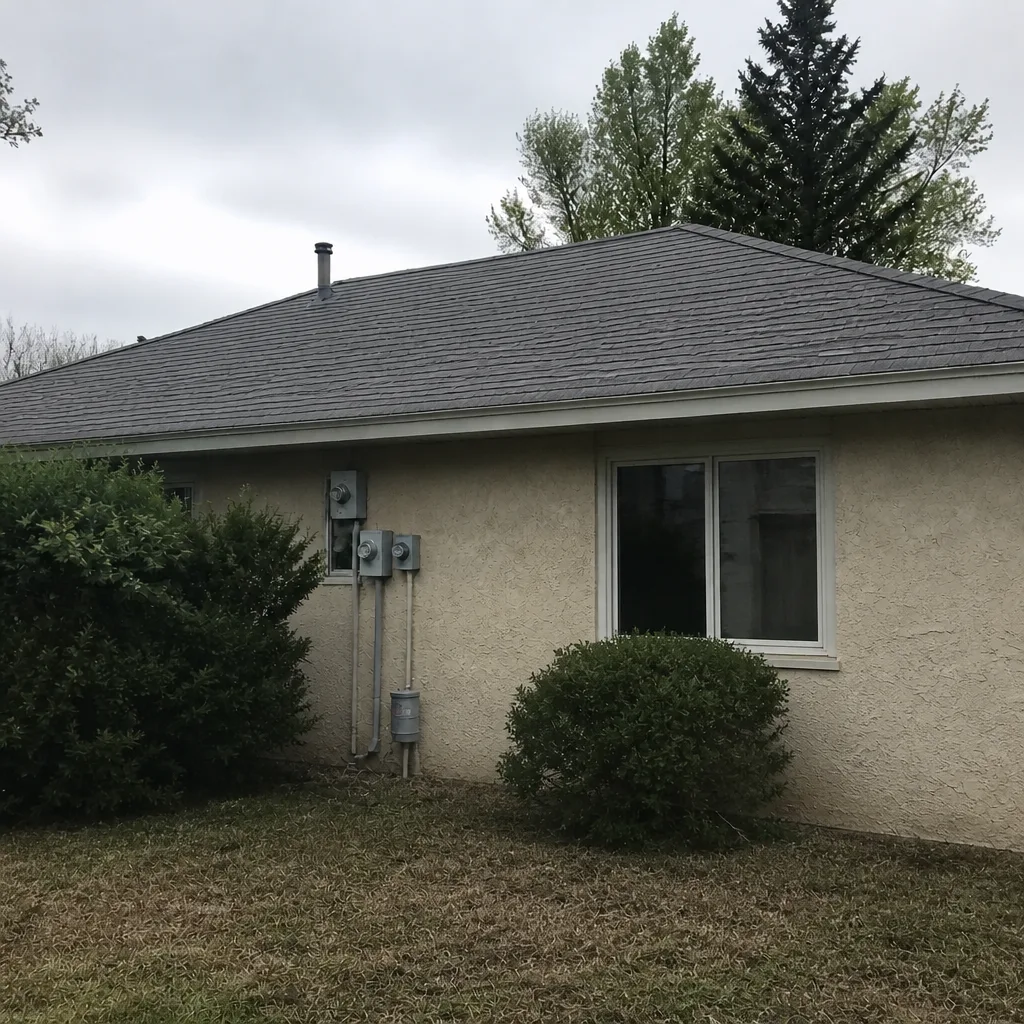 After
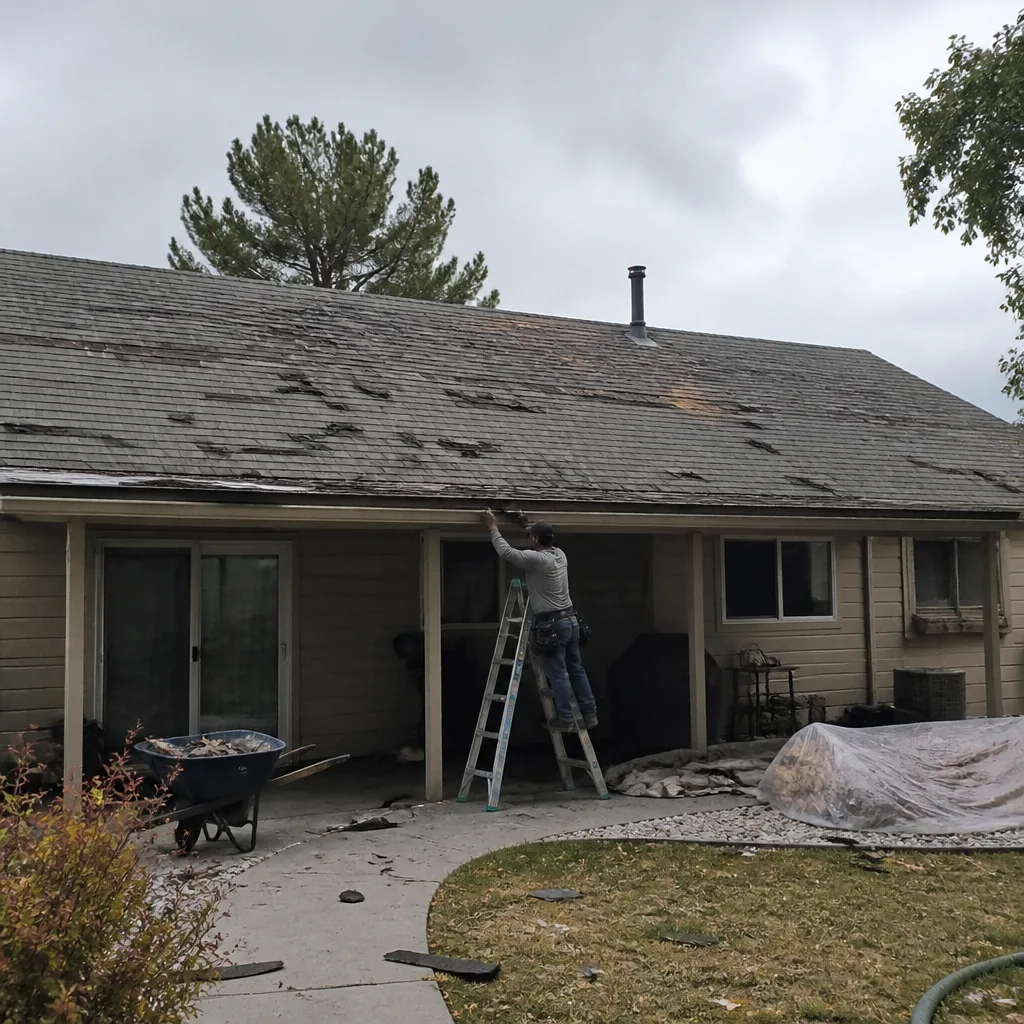 Before
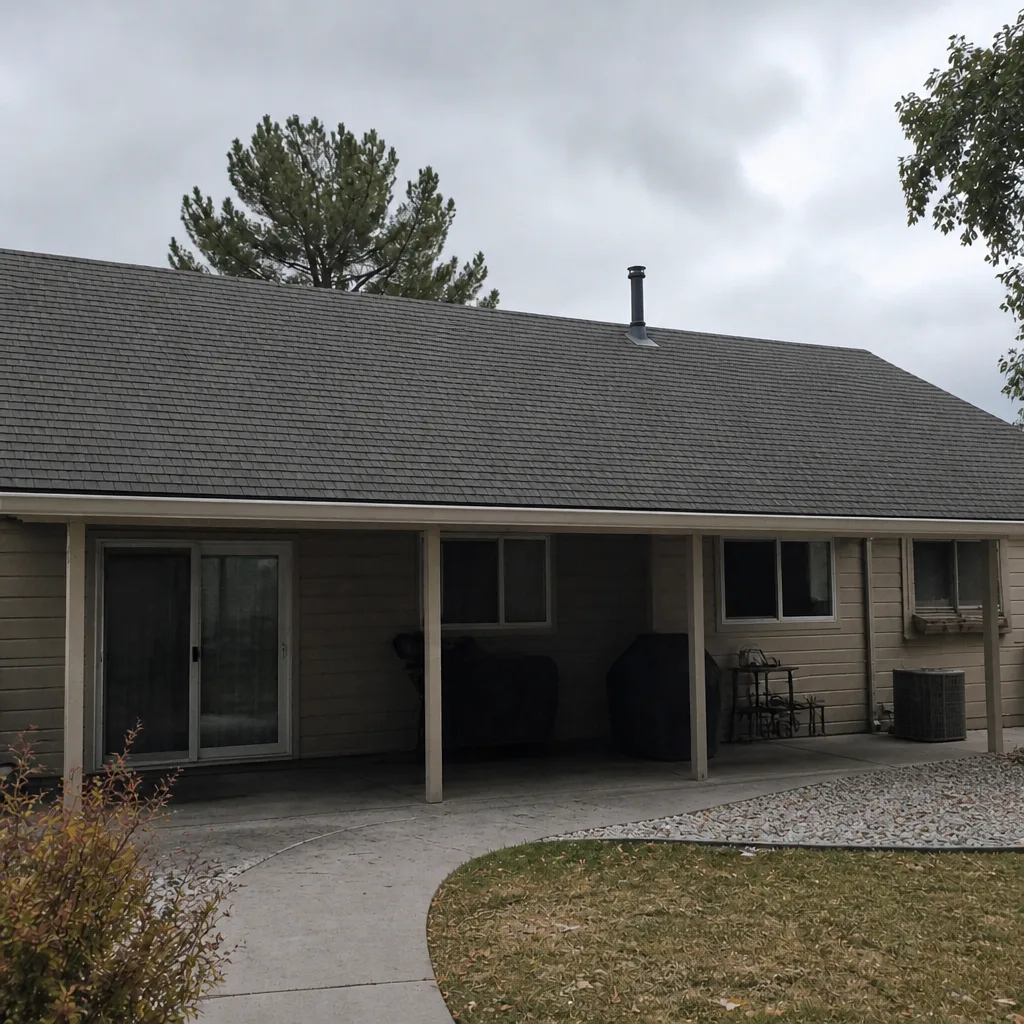 After
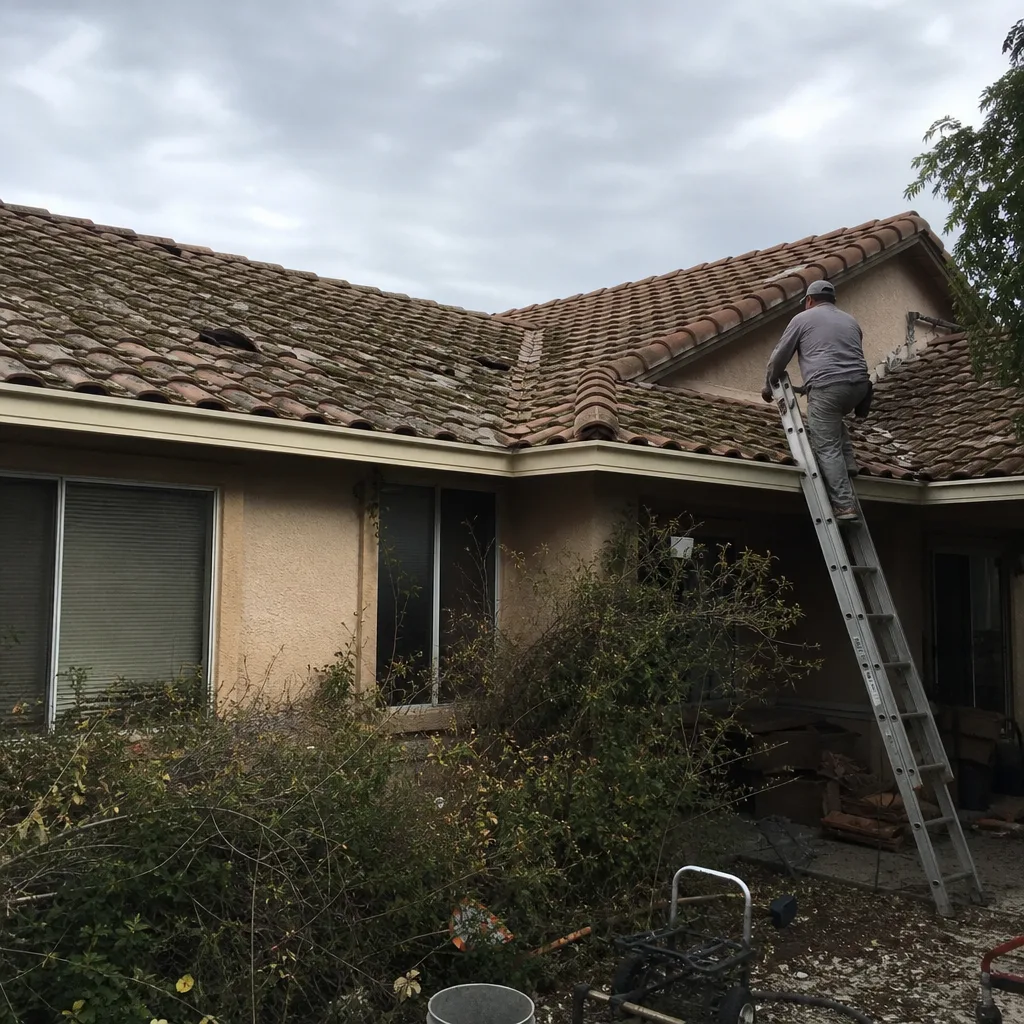 Before
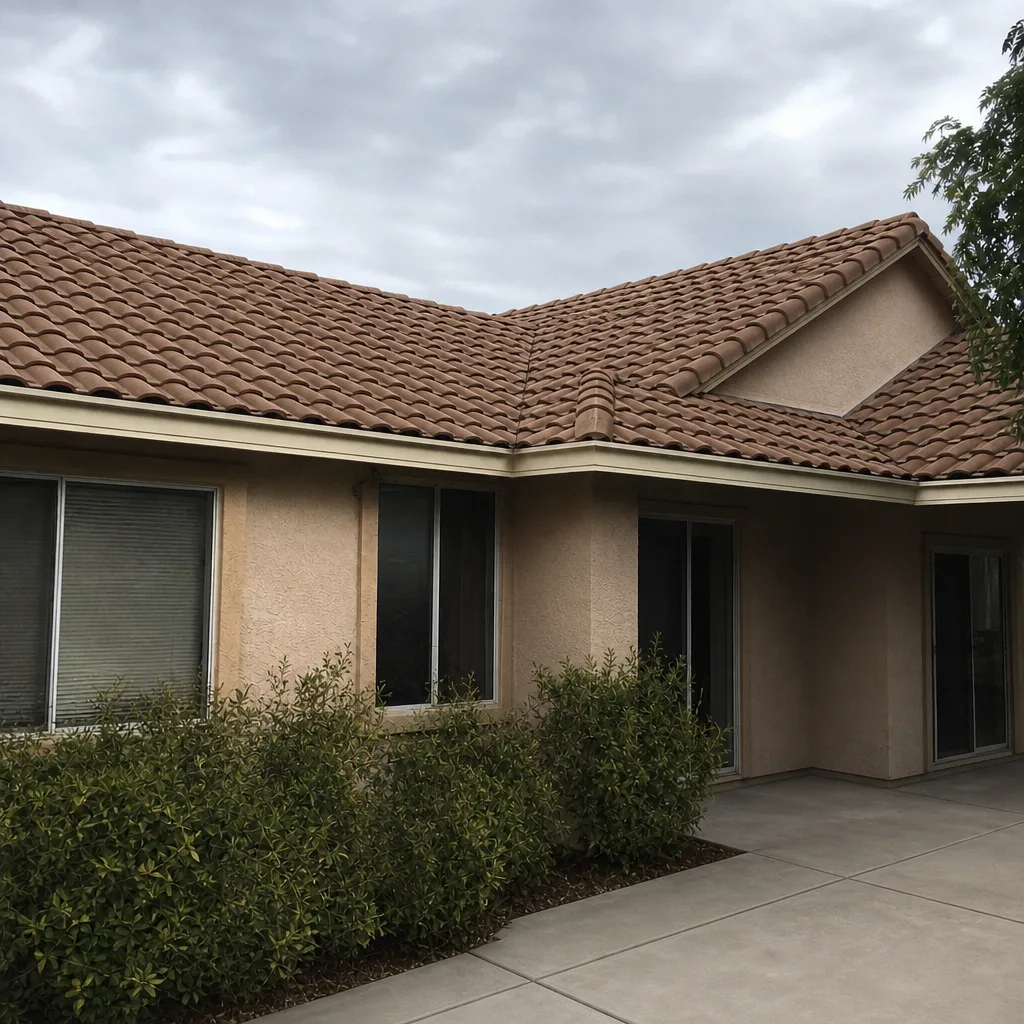 After
When to Call a Professional
Some roofing issues are worth a call even before you see interior damage. Call a professional if you notice missing or lifted shingles, granules collecting in gutters or at downspouts, a ceiling stain or discoloration, daylight visible through the roof deck from inside the attic, or a chimney or vent flashing that looks loose or rusted. Age alone is also a trigger: a roof past its shingle warranty life deserves a proactive inspection before the next rain season, not after.
Roof work is genuinely dangerous. Falls are a real risk, and walking a pitched roof without the right equipment is how capable, careful homeowners get hurt. We’d rather you stay on the ground and let a trained technician get up there. Roofer Winchester offers free estimates in Winchester – call (833) 390-2853. Our technicians have up to 9 years of experience, and we handle the full cycle: inspection first, then a recommendation on repair versus replacement, then the work itself, with no handoffs.
Frequently Asked Questions
Look up the contractor’s license number on the Nevada State Contractors Board’s public lookup and confirm the classification is C-15 (roofing) and the status is active. Verify that the business name matches your bid and that insurance and bonding are current. A license number that won’t check out on the state board is a stop sign. Call (833) 390-2853 if you’d like to talk through the process before you start collecting bids.
Not necessarily. Nevada contractor licenses are classified by trade, and roofing falls under the C-15 classification. A general contractor holding a different class can legally call itself a contractor, but that doesn’t mean roofing is covered by that license at the depth a roof requires. Ask specifically for the C-15 number before you sign anything.
A complete estimate should list tear-off and disposal, underlayment, ice and water shield, flashing details, ventilation, the specific shingle brand and product line, number of squares, permits, and cleanup with a magnetic sweep. Pricing is set per job by the written estimate, so ask for a line-item bid rather than a lump sum. Call (833) 390-2853 for a free, line-by-line estimate.
An inspection should decide. A single isolated leak, one flashing failure, or damage confined to one slope usually points to repair. Multiple active leaks, widespread shingle deterioration, or a roof past its warranty life points to replacement. We inspect before recommending, so you get the answer that fits your roof rather than a default upsell. Call (833) 390-2853 to schedule an inspection.
Yes. The strongest manufacturer warranties and bundled workmanship coverage are often available only for installations by certified contractors, and some warranties can be voided by installation deviations from the manufacturer’s published instructions. Ask which brands a contractor is certified to install and whether the warranty tier they quote depends on that certification. Seven leading shingle brands and one straight answer – that’s how we approach it.
It depends on roof size, pitch, how many layers come off, and weather. Most residential replacements take several days, but the bid should give you a schedule rather than a range pulled out of thin air, and it should say what happens if the deck needs repair. Ask for the timeline in writing before the work starts. Call (833) 390-2853 for an estimate that includes a schedule.
The Bottom Line
Hiring a roofing contractor in Winchester comes down to a handful of checks that most homeowners skip. Verify an active C-15 roofing license through the state board, confirm insurance and workers’ comp, and treat the specific license classification as non-negotiable. Ask material questions that reveal whether the crew does roofing daily. Understand what manufacturer certification unlocks for your warranty, and be suspicious when a contractor recommends one brand for every roof. Demand a written line-item bid that names the shingle line, includes flashing and ventilation, and states the permit responsibility. Then hire the specialist, not the generalist who “does roofing” on the side. Roofing only, done right – and a free estimate to start. Call (833) 390-2853. We answer 24/7, with fast dispatch from 7am to 7pm, Sunday through Friday.
Written by the team at Roofer Winchester.