
Last updated November 17, 2026
 Metal roofing
 Architectural shingles
 Tile roofing
 GAF
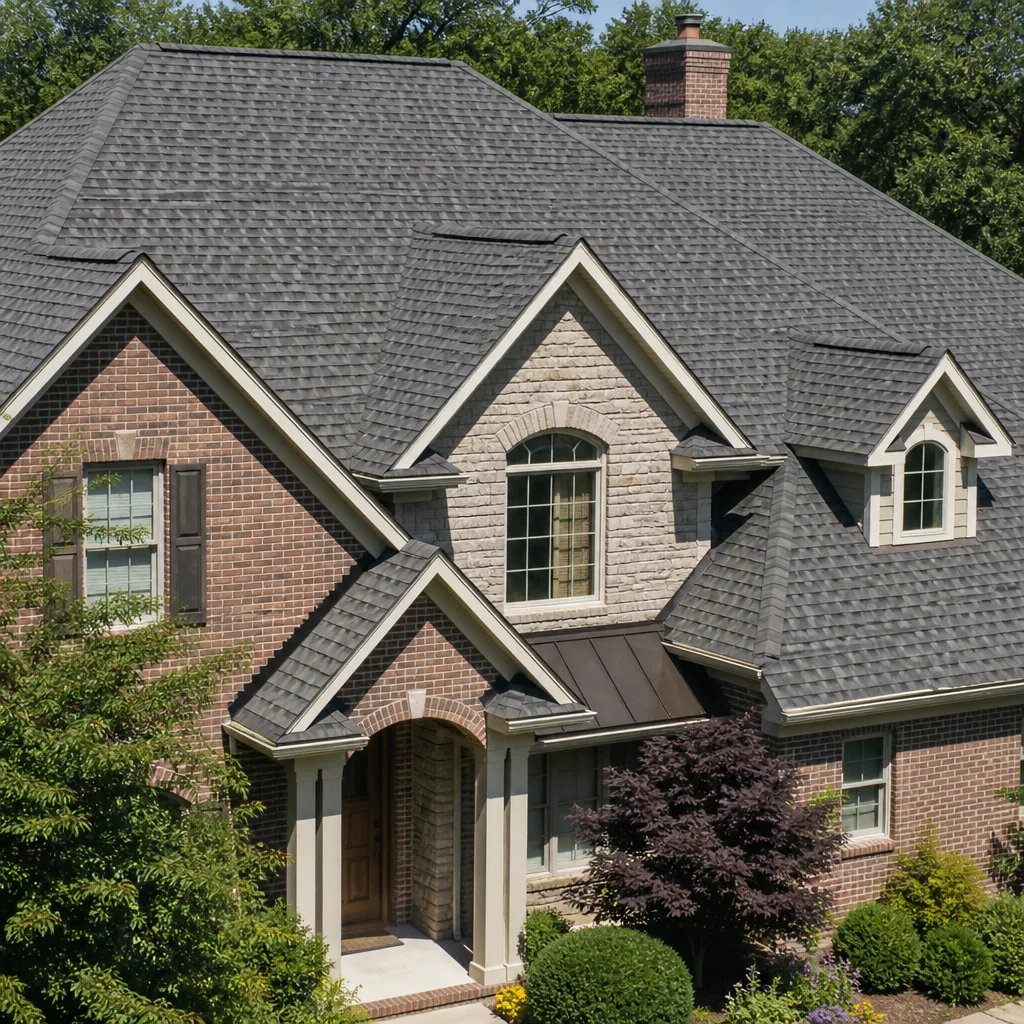 Owens Corning
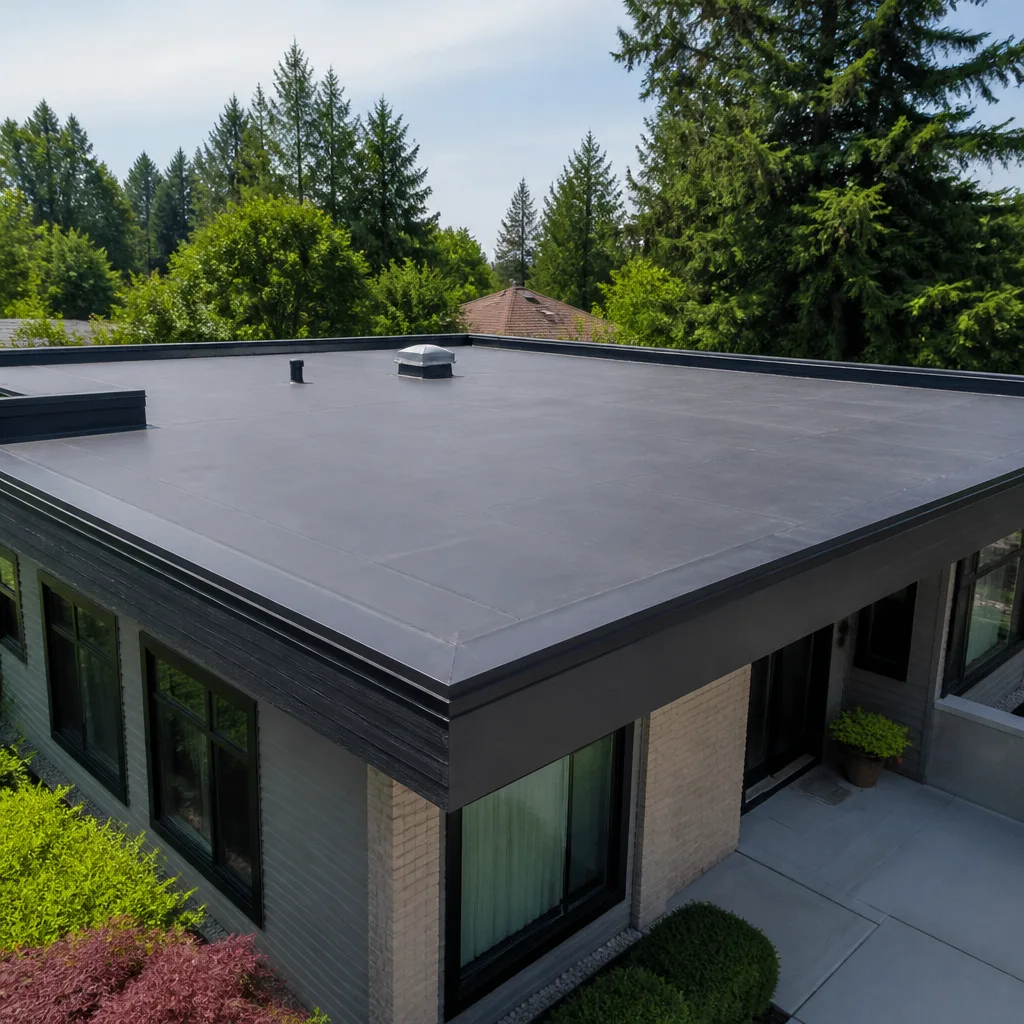 Flat & low-slope
Free roof inspection with deck photos before we talk money - GAF and Owens Corning certified installation
DIY vs Professional Roofing: The Winchester Homeowner’s Decision Guide
You can legally reroof your own home in Nevada. That surprises people. What you can’t easily do is keep a manufacturer warranty intact on materials installed by an uncertified applicator, and in Winchester’s UV environment that warranty is often the only thing standing between you and premature shingle failure years ahead of schedule. This guide walks through where the permit line actually sits, what that warranty is worth over a roof’s life, when desert heat turns a roof into a genuine hazard, and the tasks where doing it yourself is a smart, low-risk call. By the end you’ll know which roofing work belongs in your hands and which belongs to a licensed pro.
Quick Answer
Professional installation is the right choice for full roof replacement, most structural repairs, and any work that requires a permit, because DIY installation typically voids manufacturer warranties on major shingle brands and desert heat makes summer roof work genuinely dangerous. DIY is a reasonable choice for minor sealant touch-ups, gutter clearing, and ground-level inspections where no permit or warranty is at stake. When in doubt, get a free inspection and a straight repair-or-replace opinion before you climb anything.
Styles & brands we work with
- Architectural shingles
- Metal roofing
- Tile roofing
- GAF
- Owens Corning
- Flat & low-slope
Table of Contents
- What Roofing Work Can You Legally Do Yourself in Nevada?
- How DIY Installation Voids Manufacturer Warranties
- What a Shingle Warranty Is Actually Worth Over a Roof’s Life
- The Winchester Heat Safety Case
- Tasks Where DIY Is a Reasonable Choice
- The Break-Even Math: Professional Install vs DIY Materials
- Why an Inspection Comes Before Any Decision
- Choosing a Roofer in Winchester: What to Ask
What Roofing Work Can You Legally Do Yourself in Nevada?
Nevada’s residential owner-builder exemptions allow a homeowner to perform work on their own primary residence without holding a contractor’s license, provided the property is for personal use and not built for sale or rent. That’s a broad allowance, and it’s why DIY roofing is legal in Winchester in many cases. The catch isn’t the license question. It’s the permit question, and that’s where the line gets drawn.
Most cities require a permit for structural roofing work, full tear-offs, and re-roofs, and a permit generally triggers inspection of the work by the local building department. That sequence assumes the work is done to code by someone accountable for it. Doing the work yourself under an owner-builder exemption may be permitted, but if you skip the permit or fail inspection, you own the problem: no recourse, no warranty support, and a documented deficiency that can complicate a future sale.
Here’s how the practical split usually looks in Winchester:
- Usually allowed without a permit: minor sealant repairs, replacing a few cracked shingles, clearing debris, gutter maintenance on a single-story home.
- Often requires a permit: full tear-off and replacement, re-roofing over existing shingles, structural decking work, flashing replacement at penetrations.
- Requires a licensed contractor in practice: anything that will be inspected, anything on a steep or multi-story roof, anything where the manufacturer warranty matters.
Before you buy a single bundle of shingles, call your city’s building department and ask specifically whether your planned work needs a permit. The answer changes your whole plan. For a full picture of what licensed work involves, see our guide to roof replacement.
How DIY Installation Voids Manufacturer Warranties
Most major shingle manufacturers require installation by a licensed or certified roofing contractor to honor their material warranty. Install the same GAF or Tamko shingles yourself and the warranty coverage on the materials typically doesn’t follow. You bought the shingles, you own them, but the manufacturer’s promise behind them is gone.
This matters more in Winchester than in milder climates. Manufacturers build their warranty terms around expected service life, and that expected life assumes proper installation in the conditions the product was rated for. When you install over an improperly prepped deck with the wrong fasteners and no underlayment detail, you’re not just risking a leak. You’re removing the one layer of protection that covers you if the shingles fail early.
The pattern we see in our experience is consistent: the homeowner reads the warranty on the bundle, assumes it applies, and only discovers the installer-certification requirement after a problem surfaces. By then it’s too late to do anything about it.
What a certified installation actually protects:
- Material coverage: the manufacturer replaces defective shingles if the failure traces to the product.
- Workmanship coverage: many manufacturers offer enhanced coverage when the installer meets their certification requirements, layered on top of the material warranty.
- Labor coverage: some programs cover the cost of reinstallation, not just the shingle itself.
The key point: the labor to tear off and reinstall is usually the larger number. A material-only warranty that leaves you paying the labor is a thin shield. That’s why brand flexibility matters. Whether the right shingle for your home is an Owens Corning Duration line or a Tamko Heritage series, the recommendation should come from your budget and your roof, not a supplier incentive. Our team at Roofer Winchester works across seven leading shingle brands, so the recommendation follows the house.
What a Shingle Warranty Is Actually Worth Over a Roof’s Life
Lifetime shingle warranties are widely misunderstood. They’re not a promise the roof lasts forever, and they’re not a payout equal to your replacement cost. They’re a prorated coverage schedule that declines over the years, plus a labor component that varies by brand and by installer certification. Understanding that structure tells you what you’re actually protecting when you choose a professional install.
A few truths about the number on the package:
- Lifetime means the product’s expected service life, not yours. Coverage phases down over time, and a claim at year 15 doesn’t return year-one value.
- Material coverage and labor coverage are separate. Many basic warranties cover materials only. The labor to reinstall is often the bigger cost, and it’s frequently excluded unless the installer qualified for an enhanced program.
- Proration is the mechanism. Early failures see more coverage, later failures much less.
- Installer certification is the gate. Install without meeting the manufacturer’s requirements and the warranty is void regardless of what the shingle does.
So what’s the warranty worth in Winchester? In a climate that shortens service life relative to the manufacturer’s baseline assumption, the warranty is one of the few tools you have if the roof underperforms. In our experience the honest framing is this: the warranty is insurance against premature failure, and it only exists if a certified installer put the roof on. Choosing the right brand for your budget is a separate exercise from choosing the installer, and both matter.
If a roof is already failing early and you’re not sure whether it’s repairable, that’s a different decision, covered in our page on roof repair.
The Winchester Heat Safety Case
Roofing in Winchester in summer is not the same job as roofing in a milder climate. Desert heat pushes roof surface temperatures above 170°F in direct sun, and that changes the risk calculus entirely. Heat exhaustion, dehydration, and burns are real hazards, and a roof deck at that temperature can cause injury through contact alone. This isn’t a reason to be dramatic about it. It’s a reason to be honest about who should be up there and when.
The safety case for professional work in Winchester rests on a few specific facts:
- Surface temperatures exceed 170°F in summer. Shingles soften, tools get hot, and prolonged contact with the deck becomes unsafe. Work must be timed early in the day and broken with frequent rest.
- Dehydration happens faster than people expect. A homeowner working alone on a hot roof may not notice symptoms until they’re already in trouble. Crews work in pairs, watch each other, and rotate off the roof.
- Fall risk increases as heat fatigue sets in. Balance, grip, and judgment all degrade with heat exposure. A single-story roof is a fall you can survive. A two-story roof is not.
- Roofing is physical work. Carrying bundles, hauling tools, and working at height for hours is a genuine physical demand, not a weekend project.
If you’re going to be on the roof at all, plan the work for early morning, drink more water than feels necessary, and never work alone. For anything beyond a minor repair on a low roof, the honest answer is to hire it out. Our technicians have up to 9 years of experience and know how to work the heat safely.
Tasks Where DIY Is a Reasonable Choice
Not everything belongs to a professional. There are genuine DIY roofing tasks in Winchester that make sense for a careful homeowner: work that doesn’t require a permit or warranty support, and that can be done safely from the ground or a low ladder. Here’s where DIY is fair game.
- Gutter clearing and downspout flushing. Keeping gutters clear protects the roof edge and the fascia. This is ladder work at its mildest, and it’s ideal to do yourself with a good pair of gloves and a helper holding the ladder.
- Minor sealant touch-ups at flashing edges. Re-sealing around a vent boot or a chimney edge with roofing sealant is a small job. Inspect for corrosion first, and step off the roof if the flashing is lifted or rusted through.
- Replacing a single cracked shingle on a low-slope or low-pitch roof. A small crack or missing tab on an accessible shingle can often be handled with a tube of roofing cement and a new shingle. Never walk a steep roof, no matter how minor the repair.
- Ground-level inspection. Binoculars from the yard will tell you more than most people expect: missing shingles, granule loss, sagging, staining, and visible damage are all readable from the ground.
- Debris removal after a wind event. Picking up branches and clearing leaves is safe and useful. Getting on the roof to check for damage is not, in desert heat.
Every task on that list has one thing in common: it doesn’t require a permit and doesn’t touch the manufacturer warranty on a full install. Get a professional opinion before you cross that line. For a Winchester-area inspection, our Winchester team offers a free estimate.
The Break-Even Math: Professional Install vs DIY Materials
The break-even question sounds simple: save the labor by doing it yourself. It rarely works out that way, because the real comparison isn’t labor cost versus zero. It’s total cost of ownership over the roof’s life, in a climate that shortens that life. A roof installed to manufacturer spec in Winchester will usually outperform a self-installed one, and the gap shows up in years, not months.
Here’s how to frame the math honestly:
- Start with the material-only cost. Shingles, underlayment, flashing, fasteners, and dumpster rental are not free. A full roof’s material cost is substantial, and the discount from skipping labor is smaller than most homeowners assume.
- Add your own time and risk. A full roof is not a weekend. Missing a permit exposes you to re-work, and a failed inspection means tearing off and starting over.
- Subtract the warranty. A self-installed roof has effectively no manufacturer protection. That’s the largest hidden cost in the comparison.
- Adjust for service life in Winchester. Desert UV and heat exposure mean a roof that might last 25 years elsewhere may need attention sooner here. A properly installed roof still lasts longer than a self-installed one, and the manufacturer warranty is what catches early failure.
The math usually lands like this: DIY wins on a handful of small repairs. Professional installation wins on anything approaching a full re-roof, because the warranty and the workmanship outlast the labor savings. If your roof is at the end of its life and you’re comparing options, our roof replacement page walks through what a full replacement scope looks like. For a transparent, apples-to-apples quote based on your actual roof, call us. Pricing is set per job by a free written estimate.
Why an Inspection Comes Before Any Decision
Most homeowners call a roofer after damage has already occurred. The better sequence is to call for an inspection first, before damage escalates, and get a clear answer on whether the roof needs a repair or a replacement. A roof inspection as a standalone service, not a sales call in disguise, is the difference between fixing a small problem early and replacing a whole roof you didn’t need to replace yet.
What a proper inspection covers:
- Shingle condition: granule loss, cracking, curling, and visible wear that isn’t obvious from the ground.
- Flashing and penetrations: the seams where vents, chimneys, and skylights meet the roof, where most leaks start.
- Decking and structure: soft spots, sagging, and any sign of water intrusion under the surface.
- Attic-side signs: staining, moisture, and insulation condition that can indicate a slow roof leak.
A good inspection ends with a written summary and a clear recommendation. Repair or replace, we’ll tell you which one you actually need. If a repair will solve it, a repair is what you should be sold. If the roof is failing across multiple planes and the cost of repair approaches the cost of replacement, an honest inspection says so with the numbers in hand.
Choosing a Roofer in Winchester: What to Ask
If you’re hiring out, the decision gets easier if you know what to ask. A roofing contractor who works across multiple shingle brands has no incentive to push one product over another, and one who does only roofing has tools and process built for roofing alone. Here’s the short list of questions that separate a straight answer from a sales pitch.
- Which brands do you work with? A roofer who only installs one brand has a reason for that answer. Our team works with GAF, CertainTeed, Owens Corning, IKO, Atlas, Tamko, and Boral, which means the recommendation can follow your budget instead of a supplier arrangement.
- Will you put the scope in writing? Ask for a line-item written quote that names materials, labor, and any items that could change the price once work starts.
- Will the installation meet manufacturer warranty requirements? This is the question most homeowners don’t ask and should.
- Do you pull permits? A full replacement usually needs a permit and an inspection, and the roofer should be pulling it.
- What’s the workmanship warranty? Separate from the manufacturer warranty, this is the roofer’s promise on their own labor.
- Do you do inspections as a standalone service? If the answer is no, the company may be in the business of selling replacements, not diagnosing roofs.
Those questions will filter most of the market quickly. The goal is a clear scope of work, brand options at both budget and premium tiers, and a roofer whose entire business is roofing, so no handoff to a generalist crew and no scope creep into other trades.
Common Mistakes to Avoid
- Starting a full re-roof without confirming the permit requirement. Nevada’s owner-builder exemption allows the work, but skipping a required permit means no inspection and no recourse if the work is called out later. Call your city’s building department before you buy materials.
- Assuming the warranty follows the shingles. It doesn’t. Most manufacturer warranties require a certified or licensed installer, and DIY installation typically voids coverage. Read the warranty language on the bundle before you choose.
- Working a summer roof in midday heat. With surface temperatures above 170°F in Winchester, midday summer work on a roof is a genuine safety risk. Early morning only, no exceptions, and never alone.
- Mistaking a repair for a replacement (or the reverse). A homeowner seeing a single leak may buy a whole roof. A homeowner ignoring widespread shingle failure may pour money into repairs. Get an inspection before committing to either path.
- Hiring a generalist who “also does roofing.” A handyman operation doing roofing on the side won’t have the tools, the crew, or the process built for roofs. Look for a roofer who does only roofing.
- Choosing a single brand because the contractor only offers that brand. Product flexibility is a signal of honesty. A roofer who can show you an Owens Corning option alongside a GAF and a Tamko option is comparing materials for your home, not selling their stock.
- Skipping the pre-install inspection on an aging roof. The problem you can’t see is the problem that gets expensive. A standalone inspection before work begins can reveal whether a repair keeps the roof alive another season.
See the difference
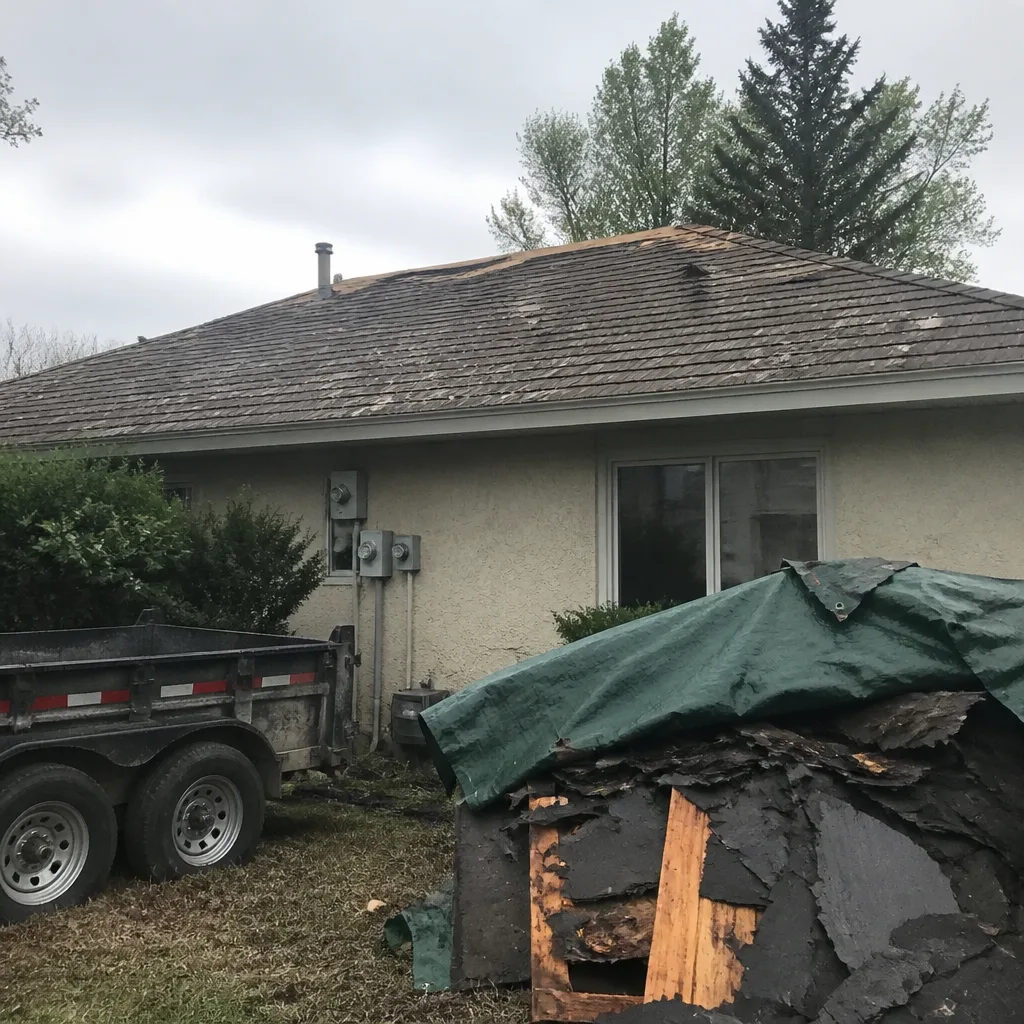 Before
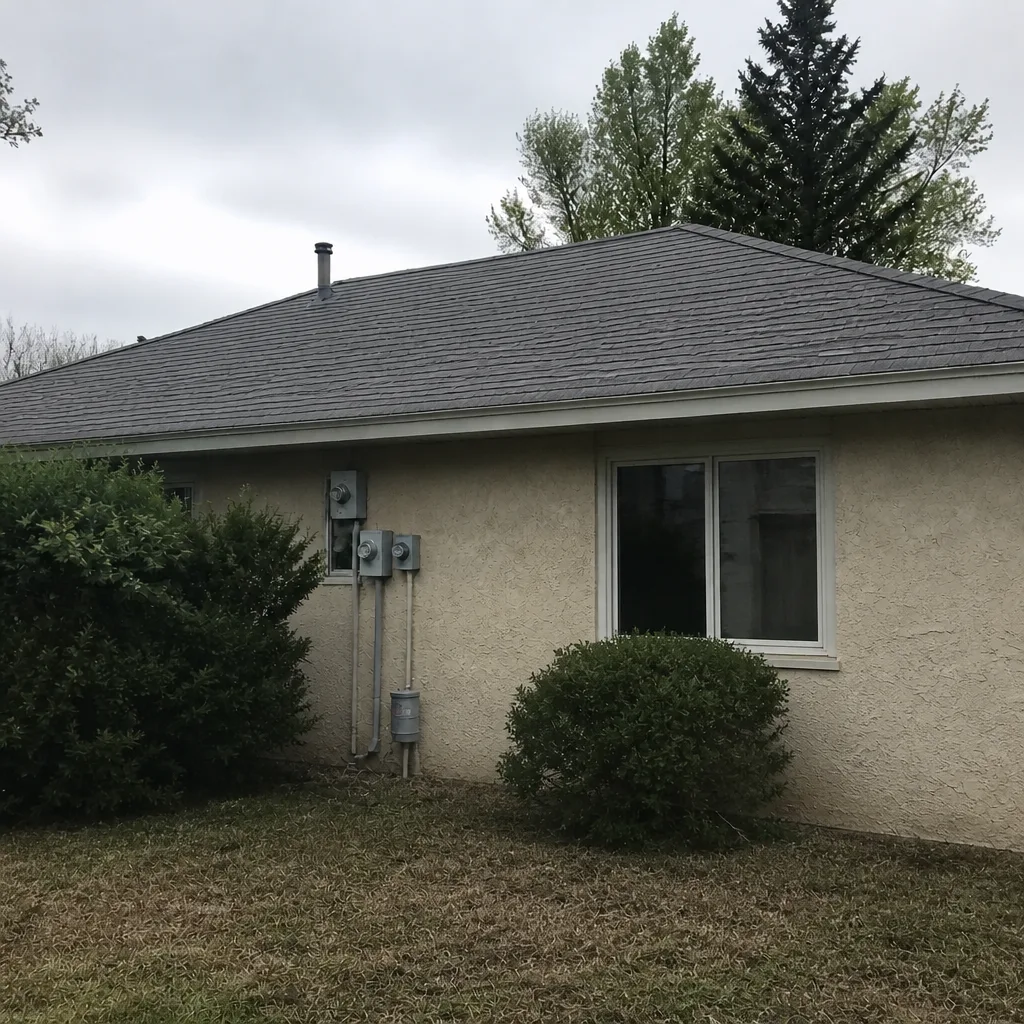 After
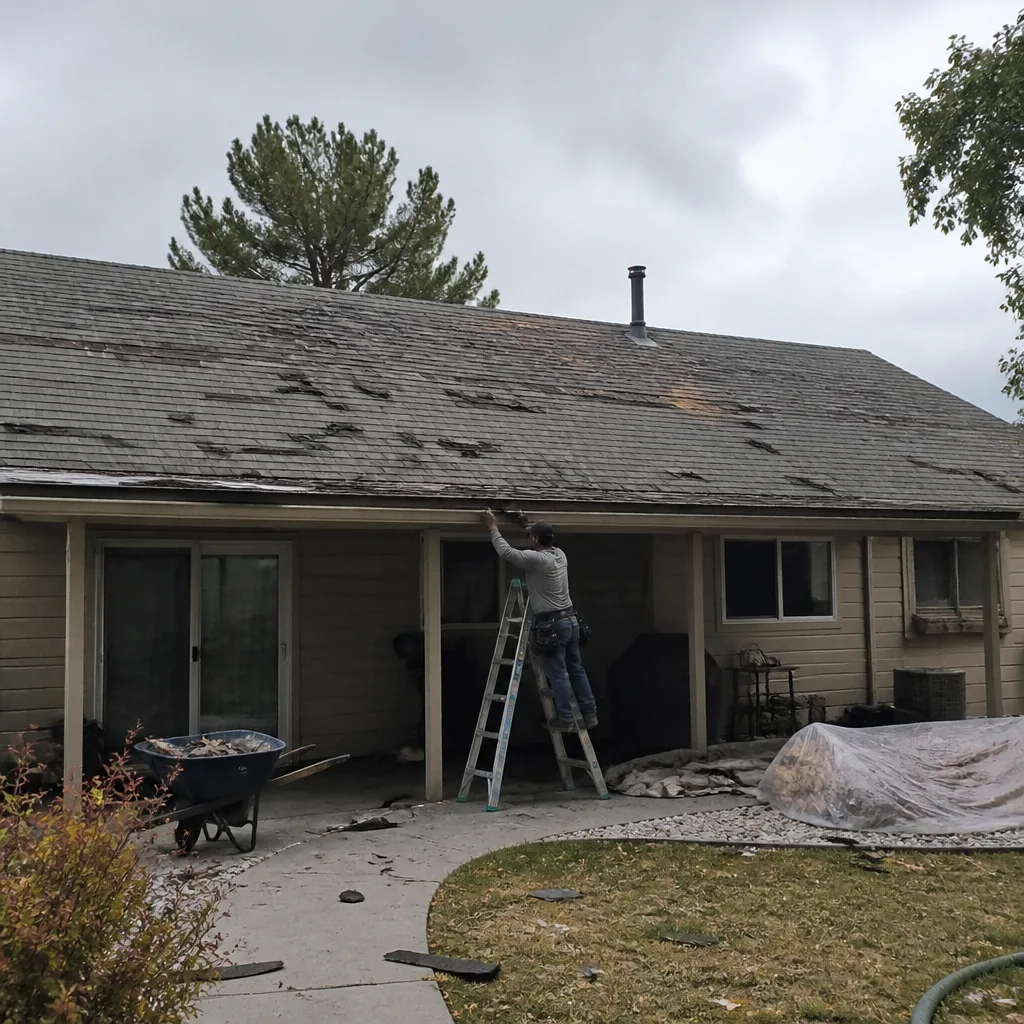 Before
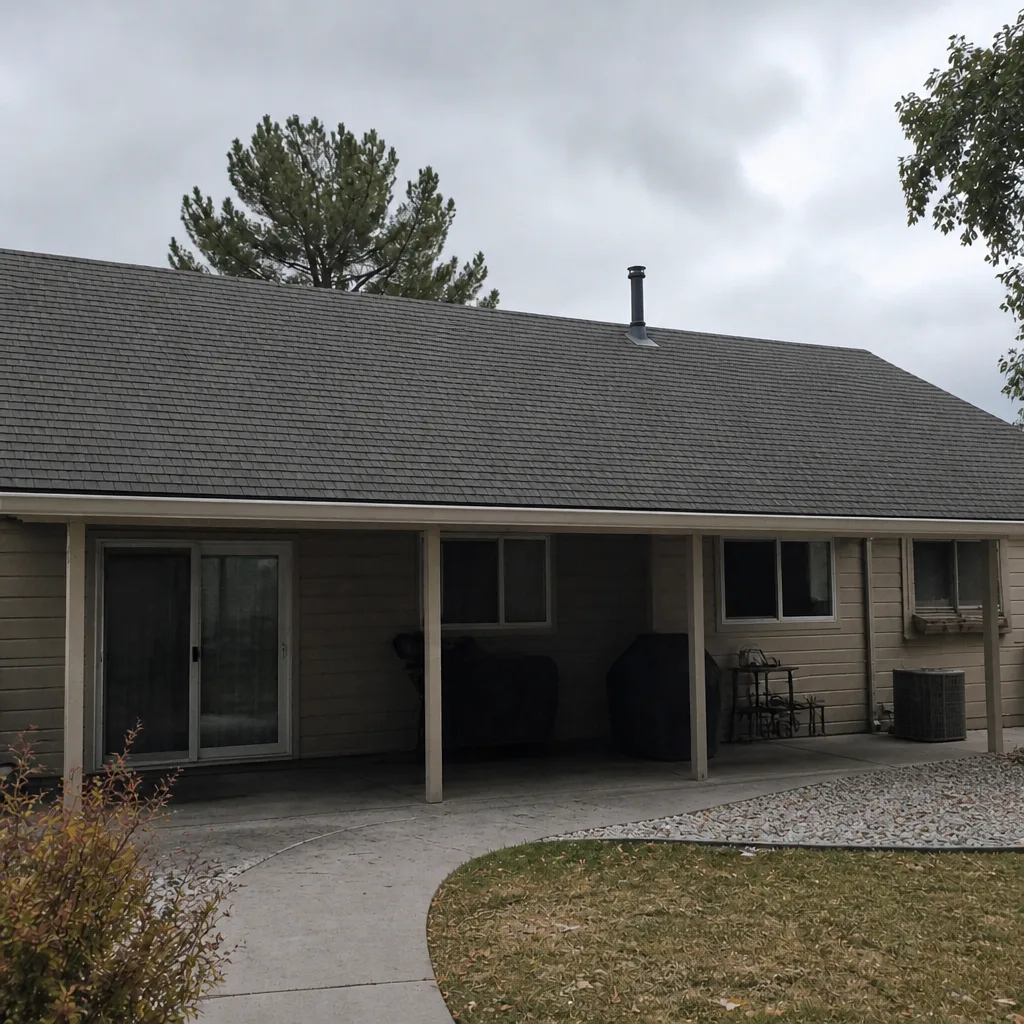 After
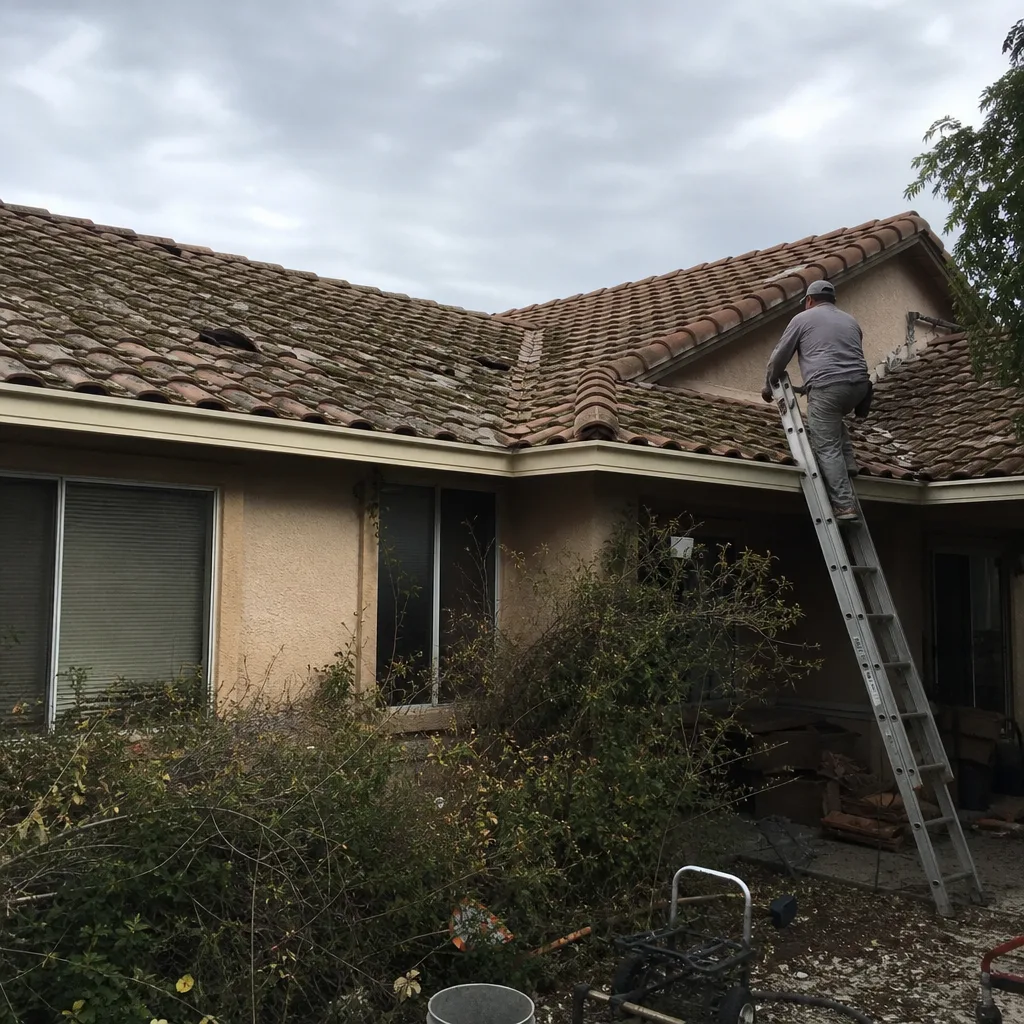 Before
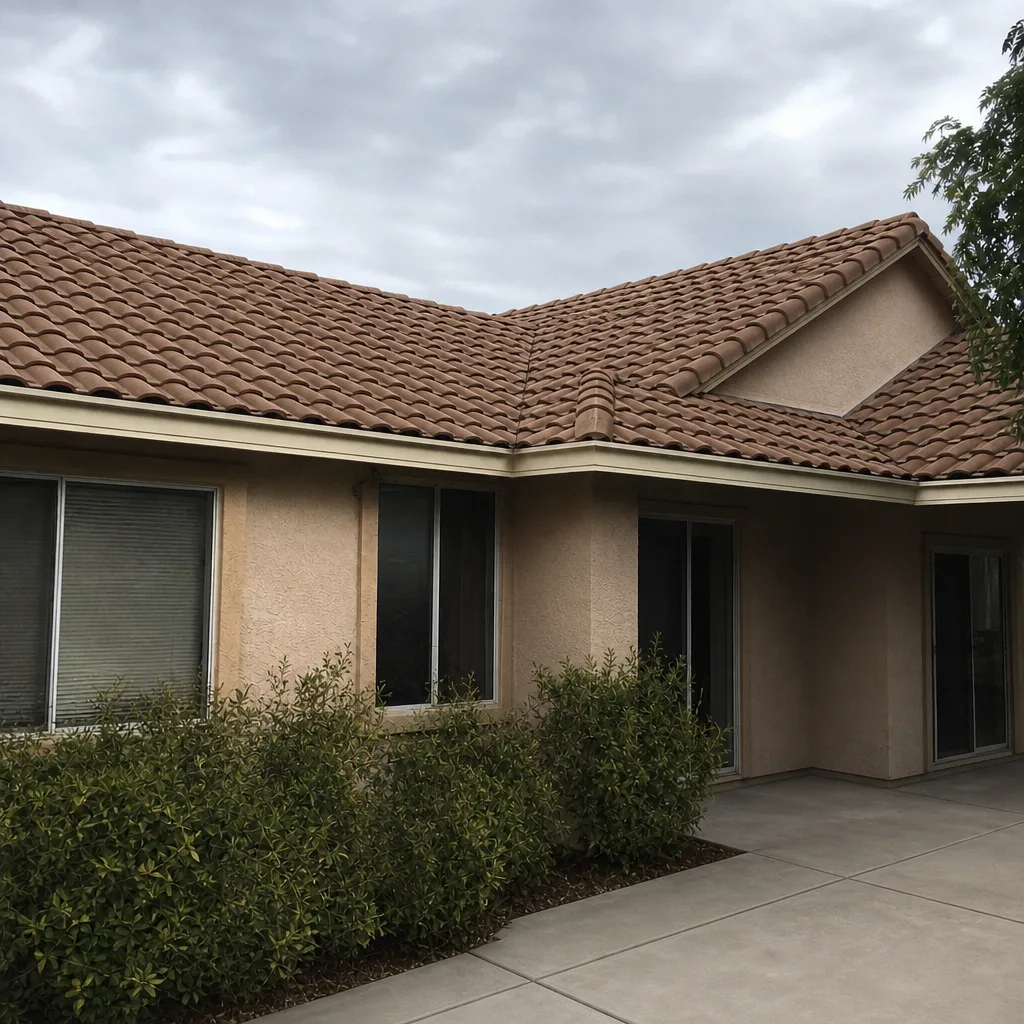 After
When to Call a Professional
Call a professional if you’re considering a full roof replacement, if the roof is on a two-story or steep-pitched home, if the damage involves structural decking, or if the work needs a permit and inspection. Call if the damage follows a storm, if you see sagging or staining on the ceiling inside, or if the problem has been quietly worsening for a season. Call if you need a written warranty on the work, which is most of the time. And call if you don’t know whether it’s a repair or a replacement, because that decision is exactly what an inspection is for. Our team at Roofer Winchester offers free estimates in Winchester. Call (833) 390-2853 to schedule an inspection or a free quote.
Frequently Asked Questions
In many cases yes, under Nevada’s residential owner-builder exemption for your primary residence, but the permit requirement is the deciding factor. A full re-roof usually needs a permit and inspection, and skipping one can leave you with work that needs tearing off. Call your city’s building department before you buy materials. Call (833) 390-2853 for a free estimate if you want to compare against a professional install.
Usually yes. Major shingle manufacturers require installation by a licensed or certified contractor to honor the material warranty, and self-installation typically voids it. In Winchester’s climate, where UV exposure shortens service life, that warranty is one of your few protections against premature failure. Our team installs across seven leading brands to keep the warranty intact. Call (833) 390-2853 for a free estimate.
Roof surface temperatures can exceed 170°F in direct sun during Winchester’s summer months. That’s hot enough to cause burns through contact and to bring on heat exhaustion quickly, especially for a solo homeowner. Professional crews work early in the day, in pairs, and rotate off the roof. Call (833) 390-2853 to schedule a free inspection instead of climbing up yourself.
Yes, for specific low-risk tasks: gutter clearing, minor sealant touch-ups, replacing a single cracked shingle on a low roof, and ground-level inspections with binoculars. The line is drawn at anything that needs a permit, touches the manufacturer warranty, or requires working at height in heat. Call (833) 390-2853 for a free estimate on anything beyond a small repair.
We don’t quote prices over the phone because the number depends on your roof’s size, pitch, material choice, and decking condition. The comparison that matters isn’t labor versus zero; it’s material-only cost plus your time and risk, minus the warranty you lose going DIY. We set the price per job with a free written estimate. Call (833) 390-2853 to schedule yours.
Yes. Inspection is one of our three focused services, and it’s a standalone diagnosis, not a sales call. We look at shingle condition, flashing, decking, and attic-side signs, then give you a written summary and a repair-or-replace recommendation. If a repair will solve it, that’s what we’ll tell you. Call (833) 390-2853 to book a free estimate.
The Bottom Line
DIY roofing in Winchester is legal in many cases, but legal isn’t the same as smart. The permit line, the manufacturer warranty, and the desert heat all point toward the same answer for anything approaching a full re-roof or a structural repair: hire it out. Keep the small tasks, the gutter clearing, the sealant touch-ups, and the ground-level inspection. Cross the line into a full install and the warranty disappears, and in this climate the warranty is what protects you when a shingle fails early. Get an inspection first, get a straight repair-or-replace answer, and pick a roofer who works across multiple brands so the recommendation follows your home, not a supplier. We’d be glad to take a look.
Roofer Winchester offers Roof Repair, Roof Replacement, and Roof Inspection, and nothing else, across seven leading shingle brands. Call (833) 390-2853 for a free estimate. We answer 24/7. Fast dispatch from 7am to 7pm, Sunday through Friday.
Written by the team at Roofer Winchester.