
Last updated November 17, 2026
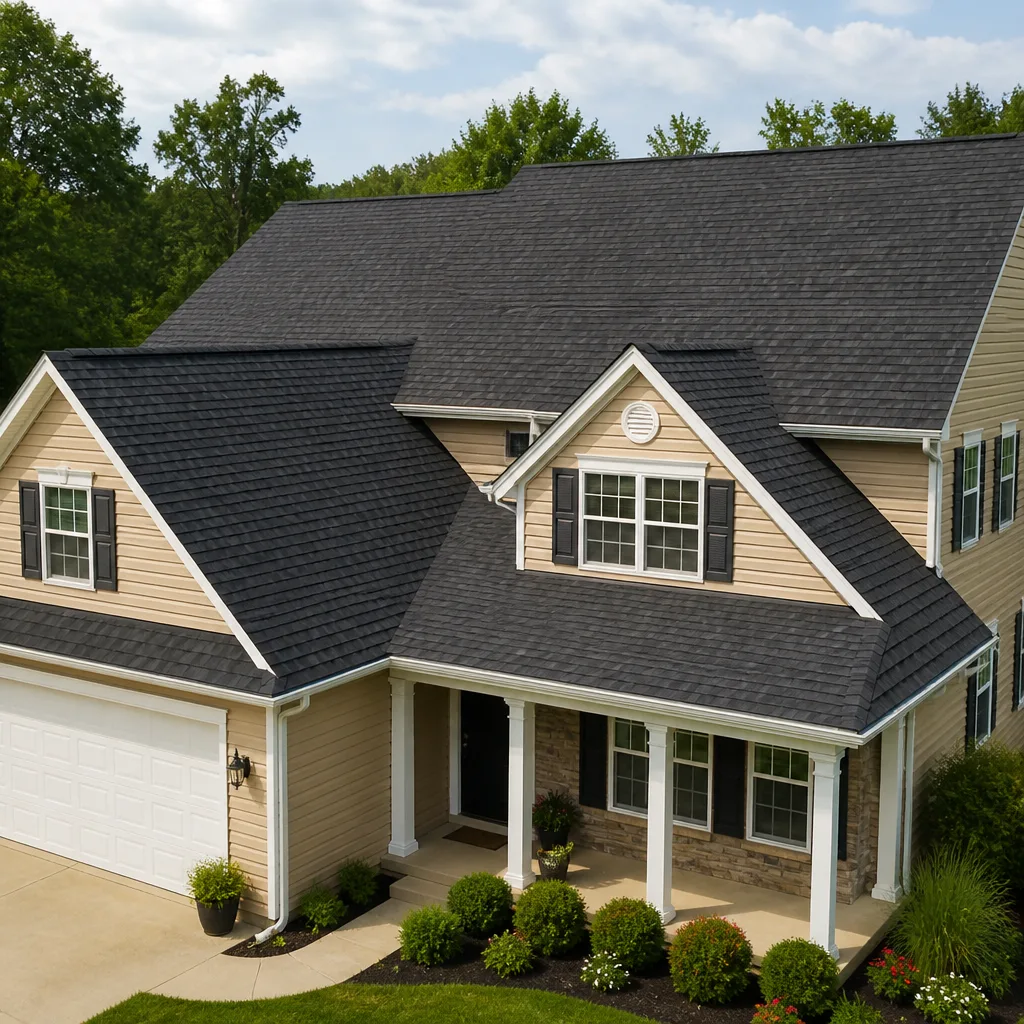 Architectural shingles
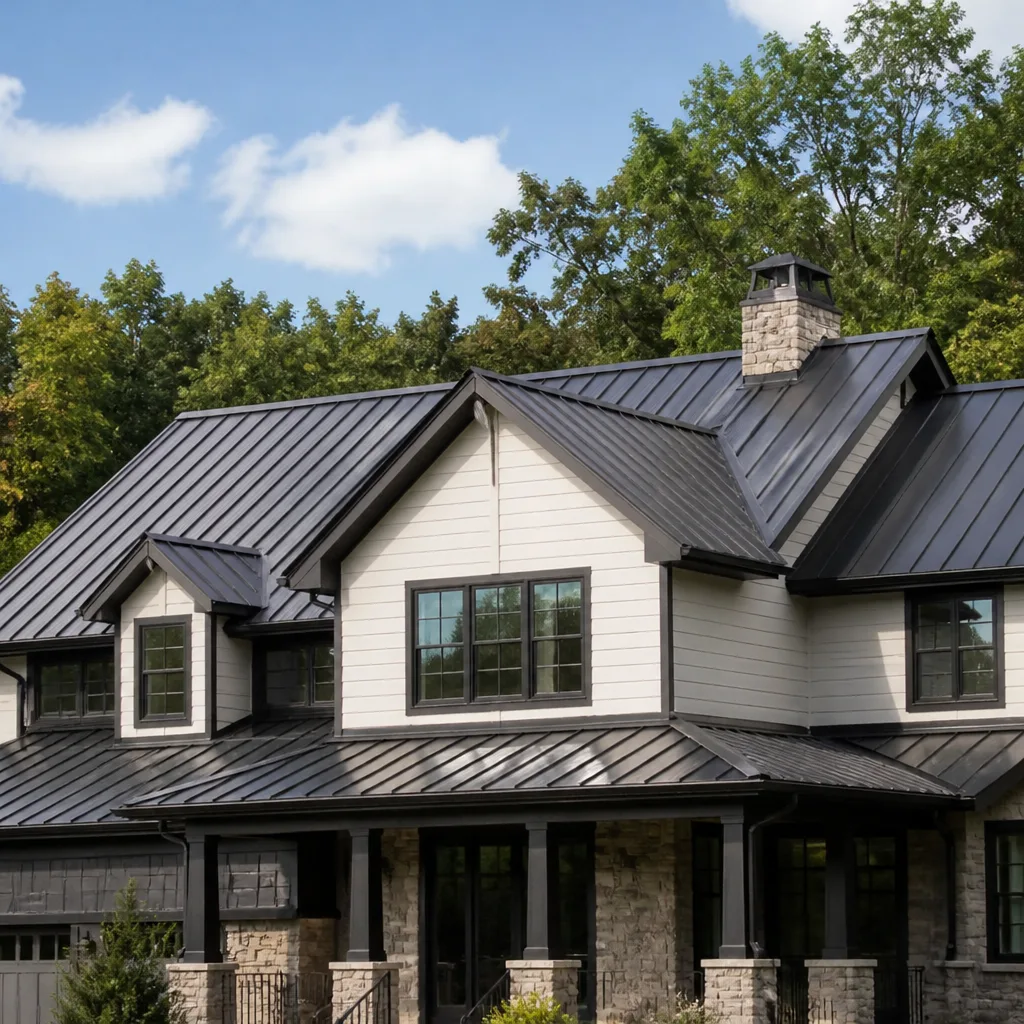 Metal roofing
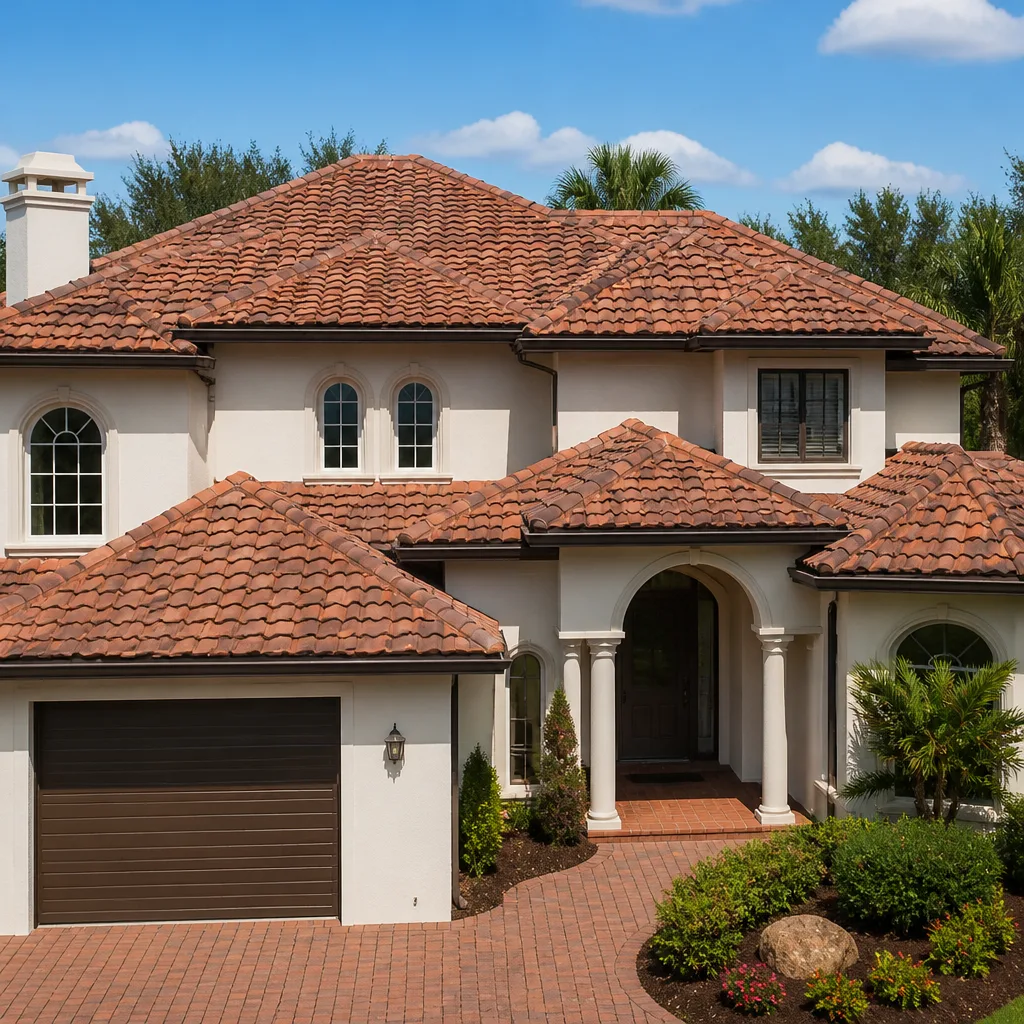 Tile roofing
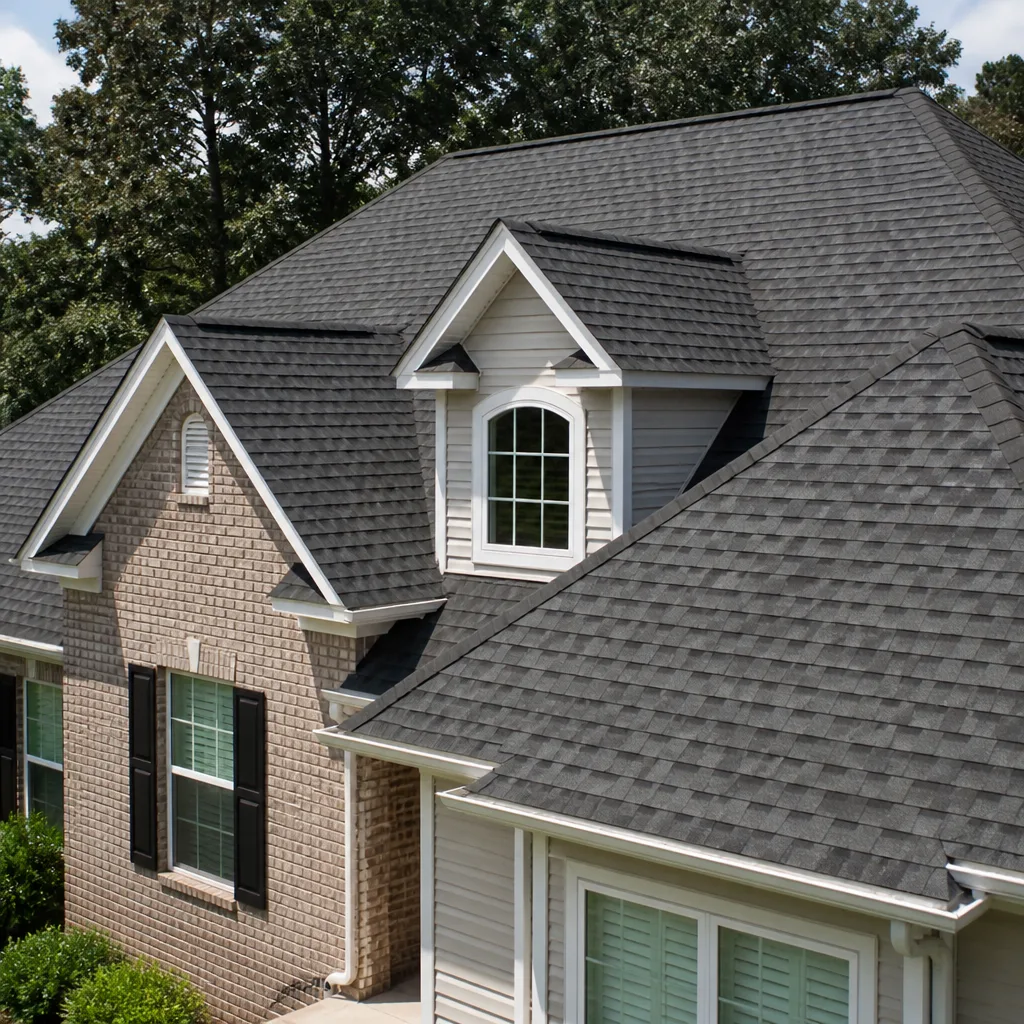 GAF
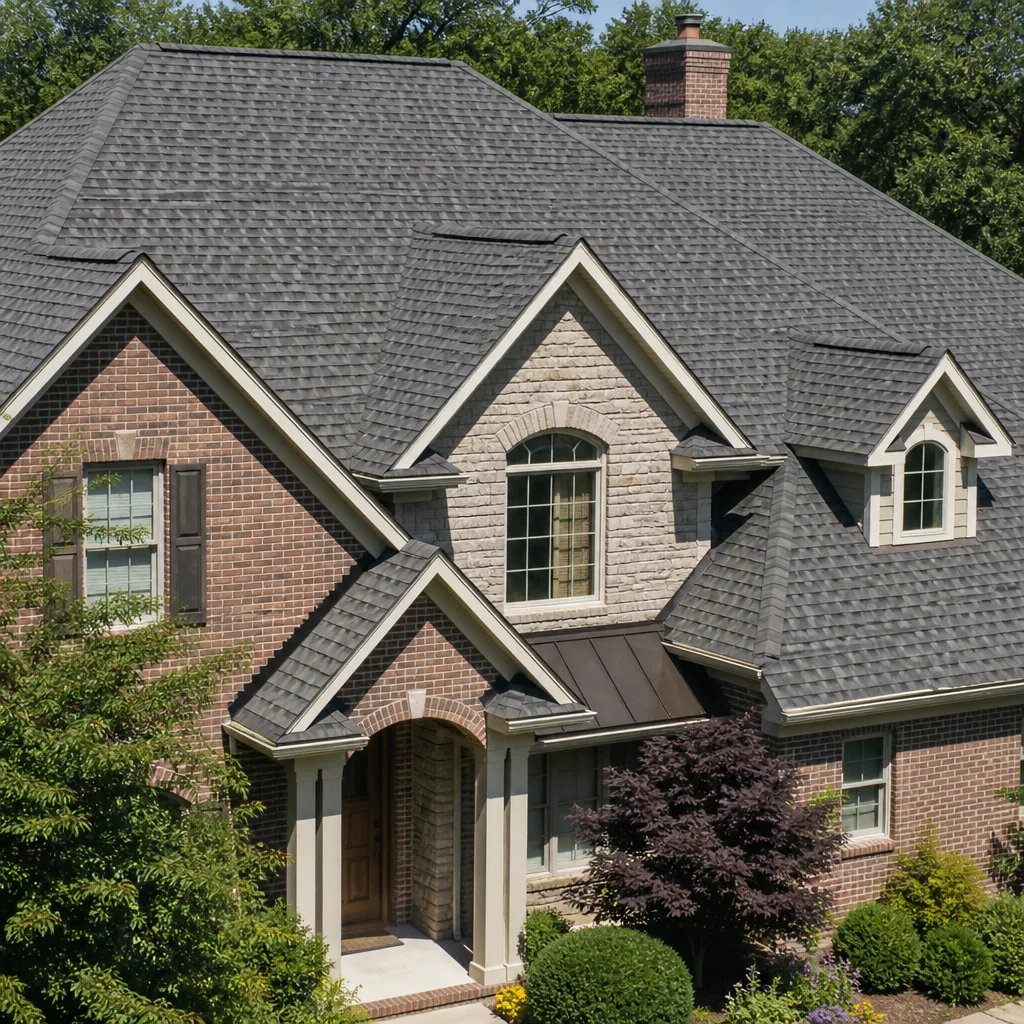 Owens Corning
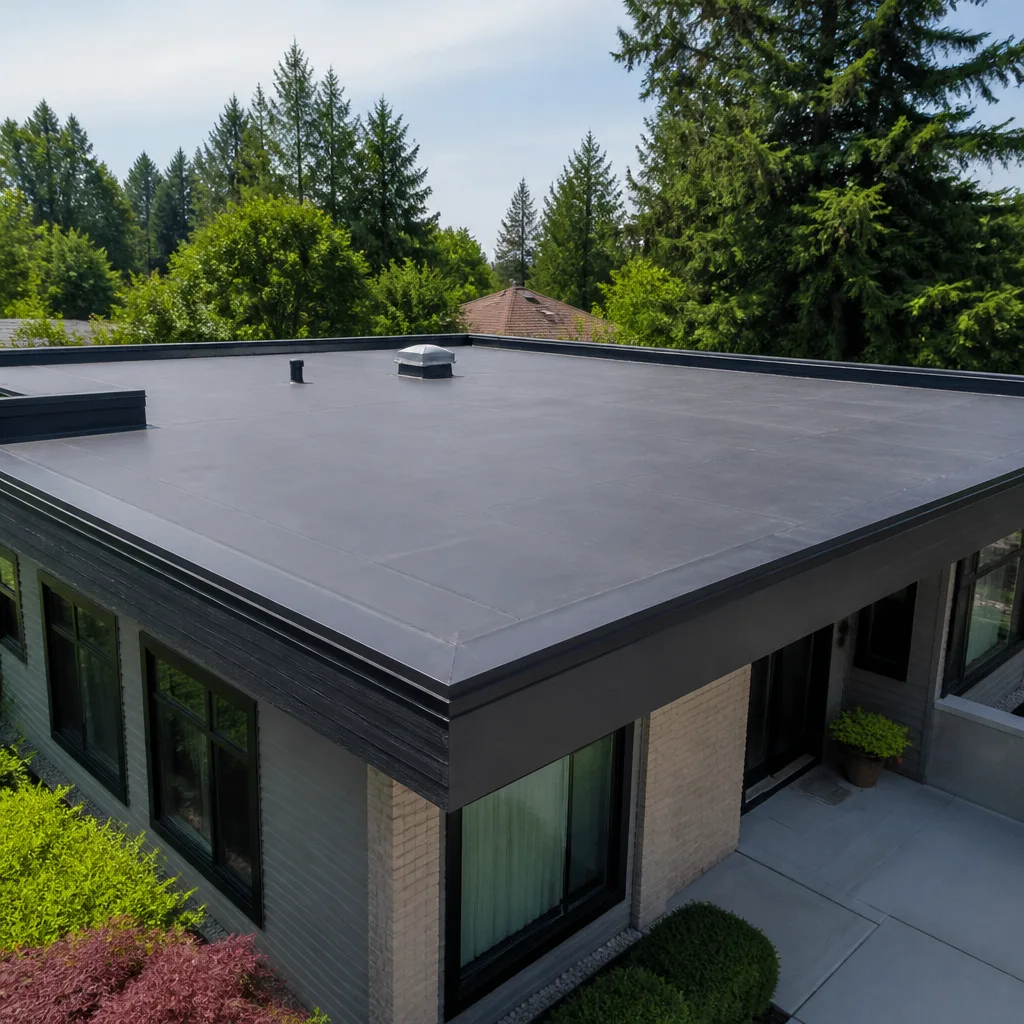 Flat & low-slope
Free roof inspection with deck photos before we talk money - GAF and Owens Corning certified installation
The Complete Roof Repair Guide for Winchester Homeowners
Most roof repair advice you’ll read online was written for a temperate climate with four even seasons. Winchester isn’t that. Sitting at roughly 2,000 feet, this part of the valley swings from summer highs above 105°F to cold desert nights, sometimes within the same 24 hours. That thermal cycling is the quiet reason shingles here fail faster than a manufacturer’s warranty assumes, and it’s why a repair that works in a milder climate can come apart here inside a year. This guide walks through what actually goes wrong on Winchester roofs, how to tell a cosmetic fix from a structural one, and how to protect your warranty when you do repair. Our technicians have up to 9 years of experience working in this climate.
Quick Answer
A roof repair in Winchester is worth doing when the damage is localized and the underlying deck and underlayment are sound; it’s time to replace when damage is widespread or the roof is at the end of its service life. The correct sequence is inspection first, then damage mapping, then an underlayment check, and only then shingle or tile work. Skipping the underlayment step is the single most common reason repairs fail within 12 months. A free written estimate is the fastest way to know which situation you’re in.
Styles & brands we work with
- Architectural shingles
- Metal roofing
- Tile roofing
- GAF
- Owens Corning
- Flat & low-slope
Table of Contents
- How Winchester’s Desert Climate Ages Your Roof
- Cosmetic, Structural, or Stopgap: The Three Kinds of Roof Repair
- Material-Specific Repair Logic: Why One Method Doesn’t Fit All
- The Correct Repair Sequence, Step by Step
- What to Document to Protect Your Warranty
- What Roof Repair Costs in Winchester
- Repair or Replace? How to Decide Honestly
- Why a Standalone Inspection Is Worth Scheduling
How Winchester’s Desert Climate Ages Your Roof
Heat is the obvious enemy. The less obvious one is the daily bounce between hot days and cool nights. In Winchester, a roof surface can bake through the afternoon and then contract sharply after sundown, day after day, for years. Shingle matting and the seals between courses flex with that movement. Eventually the flex shows up as cracking, curling, or granule loss long before the calendar says the roof should be worn out.
Three climate factors do most of the damage here:
- UV intensity at elevation. The higher you are, the less atmosphere filters ultraviolet light. At roughly 2,000 feet, the sun hits harder than the lab conditions manufacturers test against, and asphalt and granules weather faster.
- Thermal shock. The day-to-night temperature swing is the driver behind cracking and seal failure. A roof that stays hot never contracts; a Winchester roof contracts every single night.
- Low humidity. Dry air is easy on wood decking in some ways, but it also dries out sealants and makes some caulk and flashing products brittle early. Materials that stay flexible in humid climates can go chalky here.
What this means for repair decisions: don’t judge a Winchester roof by its calendar age alone. A roof that’s younger than its rated life can still show real wear because the local conditions outpace the assumptions behind that rating. The honest test is what the deck and underlayment look like, not how many years the label says you have left. If you’re unsure where your roof stands, roof repair starts with a proper look at those layers, not a guess from the curb.
Cosmetic, Structural, or Stopgap: The Three Kinds of Roof Repair
Every repair falls into one of three buckets, and knowing which one you’re paying for changes what you should expect from it.
Cosmetic repairs
These address appearance or a minor nuisance without touching the roof’s ability to shed water. A lifted shingle tab that gets resealed, a small area of worn granules, a ridge cap that’s loosened. Cosmetic repairs keep a roof looking tidy and can prevent a small issue from spreading, but they don’t extend the roof’s life much. They’re the cheapest category and the right call when the rest of the roof is healthy.
Structural repairs
These fix a problem that’s compromising the roof’s function: a failed flashing around a vent or chimney, torn underlayment, a soft spot in the decking, or a persistent leak at a valley. Structural repairs are the ones that matter, and they’re the ones that require opening up the roof enough to see what’s underneath. If a contractor quotes you a structural fix without getting up there and looking, be skeptical.
Stopgap repairs (the “buy time” kind)
Sometimes a roof is genuinely near the end of its life but replacement isn’t in the budget right now. A stopgap repair patches the worst of it to get you through another season. There’s nothing dishonest about a stopgap as long as everyone understands that’s what it is. The trouble starts when a stopgap is sold as a permanent fix. We’ve seen homeowners in Winchester pay for a patch that was presented as a full repair and then face the same leak a year later.
The right way to assess which category you’re in is an inspection that actually maps the damage. That’s the difference between an honest repair recommendation and an upsell. Repair or replace, we’ll tell you which one you actually need.
Material-Specific Repair Logic: Why One Method Doesn’t Fit All
Here’s where a lot of generic advice falls apart. The repair method has to match the material, and the materials on Winchester roofs vary a lot from home to home. A technique that’s correct on a three-tab shingle is often wrong on an architectural shingle, and what works on a heavy tile is wrong on a metal panel.
Three-tab vs. architectural shingles
Three-tab shingles are thinner and flatter. They’re more prone to wind lift at the tabs and to cracking along the seal strips. A repair on a three-tab roof usually means replacing individual shingles and resetting the seal. Architectural shingles are thicker with a dimensional profile, and they fail differently: more granule loss, more edge curling. Patching an architectural roof with three-tab material or the wrong technique shows immediately and creates a weak spot. Matching the actual product matters.
Tile and specialty systems
If your home has a clay or concrete tile system, or a Boral product, the repair logic is different again. Tile is durable but brittle, and it fails at the underlayment more often than at the tile itself. A tile repair that just replaces broken pieces without checking the underlayment beneath is treating the symptom. We work with Boral tile systems and know that underlayment is the real story on those roofs.
Metal
Metal roofs fail at fasteners and seams far more than at the panels. A repair means addressing the sealant and the fastener line, and using products that stay flexible through thermal cycling rather than going brittle in the dry desert air.
The point isn’t to memorize brands. It’s to make sure whoever repairs your roof is matching the repair to the specific product on your home. That’s why we keep access to seven leading shingle brands: IKO, Atlas, Tamko, GAF, CertainTeed, Owens Corning, and Boral. One straightforward recommendation, driven by your home and budget rather than a single supplier’s incentive. Whether you’re looking at an Owens Corning system or a Tamko line, the repair should be built for what’s actually there.
The Correct Repair Sequence, Step by Step
Most failed repairs we see trace back to a skipped step, not bad materials. Here’s the sequence that holds up in this climate.
- Inspection. Get on the roof and look at the whole surface, not just the spot that’s leaking. Leaks travel, and the visible stain inside often isn’t where the water enters.
- Damage mapping. Mark and photograph every affected area: cracked shingles, granule loss, flashing problems, soft decking. A map keeps the repair honest and gives you a record.
- Underlayment check. This is the step people skip. If the underlayment under the damaged shingles is torn or worn, new shingles on top of it will fail. The underlayment has to be verified before any surface work.
- Deck condition check. Confirm the wood underneath is solid. Soft or rotted decking needs to be replaced before anything goes back on top, or the repair is built on a bad foundation.
- Repair the damaged area. Only now do the shingle, tile, or metal work, matching the material to the existing roof.
- Re-check and document. After the repair, confirm the fix holds and record what was done, with photos and dates. This protects your warranty and gives the next person a clean record.
When that sequence is followed, a repair holds. When it’s skipped, watch for the same leak within a year. If you want this done right on a Winchester home, an inspection is the starting point, and it’s a service worth having on its own, separate from any repair.
What to Document to Protect Your Warranty
A manufacturer’s warranty on shingles or tile can be voided or complicated by repair work that isn’t documented properly. In our experience, most homeowners don’t find this out until they need to make a claim. Here’s what to keep.
- Photos before the repair. Wide shots of the roof and close-ups of the damage. Date them.
- The inspection findings. Whatever the contractor reports about deck and underlayment condition, in writing.
- The written estimate and scope of work. The exact materials used, the area repaired, and the method. If a brand name appears, make sure it’s specific (IKO, Atlas, Tamko, and so on).
- Proof the repair matched the existing material. This matters for manufactured shingle systems where warranty terms can depend on proper installation.
- Any permit paperwork. Most cities require a permit for certain roofing work, so ask your city’s building department what applies and keep anything issued.
Keep these together in one place, physical or digital. If the roof ever needs a warranty claim, you’ll have everything a manufacturer asks for. It’s the least glamorous part of roof repair and the one that saves the most trouble.
What Roof Repair Costs in Winchester
Roof repair pricing in Winchester depends on the size of the repair, the material, and whether the deck or underlayment needs work. The written estimate is what sets the final price, and it should be line-itemed so you can see where the money goes. Estimates are free and the price is set per job. We don’t quote a service-call fee or a trip charge.
Here’s how the cost breaks down by type of repair:
- Minor cosmetic repair (a few shingles, a resealed tab): the lower end of the range, since it’s surface work only.
- Single-area structural repair (flashing, a valley, a patch with underlayment work): mid-range, because it involves opening the roof and verifying the layers beneath.
- Larger or multiple-area repair (several locations, or a deck repair): the higher end, since it’s essentially a partial re-roofing of the affected zones.
- Stopgap patch on an end-of-life roof: typically the least expensive option, understood as temporary.
The biggest variable isn’t the shingle price. It’s whether the deck and underlayment are sound. A repair that requires new decking costs more than one that doesn’t, and there’s no honest way to know until the roof is opened up. That’s why we verify the layers before quoting a final figure. Call (833) 390-2853 for an exact quote. Estimates are free.
Repair or Replace? How to Decide Honestly
This is the question that drives most roofing decisions, and it’s the one where a contractor’s incentives matter most. A company that only sells replacements will find a reason to replace. A company that sells repairs will find a reason to repair. We do both, plus inspections, and the recommendation should follow the roof, not the sales target.
Three honest signals point toward replacement:
- The damage is widespread rather than in one or two spots.
- The decking or underlayment is failing across large areas, not just where the leak shows.
- A stopgap repair would only postpone a replacement you know is coming, and the money would be better put toward the roof itself.
Three signals point toward repair:
- Damage is localized and the rest of the roof is healthy.
- The deck and underlayment are sound once checked.
- The roof still has meaningful service life left, even if it’s showing its age.
When it’s genuinely borderline, we say so and explain the tradeoffs rather than pushing one way. Roof replacement is the right call when repair money is being poured into a roof that’s already done, and knowing the difference is the whole point of getting an honest assessment first.
Why a Standalone Inspection Is Worth Scheduling
An inspection offered as a free add-on to a sales pitch isn’t really an inspection. It’s a closing tool. A standalone roof inspection positions you as the owner of the information: what condition your roof is in, what’s likely to fail next, and what your options are, without anyone steering you toward a purchase in the same visit.
That proactive angle matters more in Winchester than in milder climates, because the local wear is quiet. Thermal cycling doesn’t announce itself with a dramatic leak; it cracks and curls and loosens seals over time. Catching it before it costs more is the whole value of a pre-repair inspection. Schedule one before the damage escalates rather than after, and you’ll typically have more choices, including the cheaper ones. The same company that inspects can then handle the repair if one is needed, so there’s no handoff and no referral out. That continuity is one reason Roofer Winchester keeps its service offering tight: Roof Repair, Roof Replacement, and Roof Inspection. Roofing only. Done right.
Common Mistakes to Avoid
- Repairing shingles without checking the underlayment. This is the number-one reason repairs fail within a year, and it’s especially costly in Winchester’s climate where the underlayment takes a beating from heat and dry air.
- Matching the repair to a generic method instead of your material. A technique for a three-tab shingle is often wrong on an architectural shingle, and vice versa. Insist on a repair built for what’s actually on your roof.
- Accepting a replacement quote from a company that never inspected the deck. Without checking the deck and underlayment, a replacement price is a guess, and a repair recommendation is just as shaky.
- Skipping the damage map. Letting a contractor repair the one spot you can see, without mapping the whole roof, means other active areas go unnoticed and you’re back where you started.
- Not documenting the repair for warranty purposes. Photos, dates, and the written scope protect your manufacturer’s warranty. Homeowners who skip this often discover the gap only when they need to make a claim.
- Letting a free inspection double as a sales call. A checkup that exists only to sell you a replacement isn’t giving you information; it’s giving you a pitch. Ask for the inspection findings in writing.
- Treating summer heat as the only threat. The cold desert nights in Winchester do as much damage as the daytime highs, and repairs that don’t account for thermal cycling tend to fail early.
See the difference
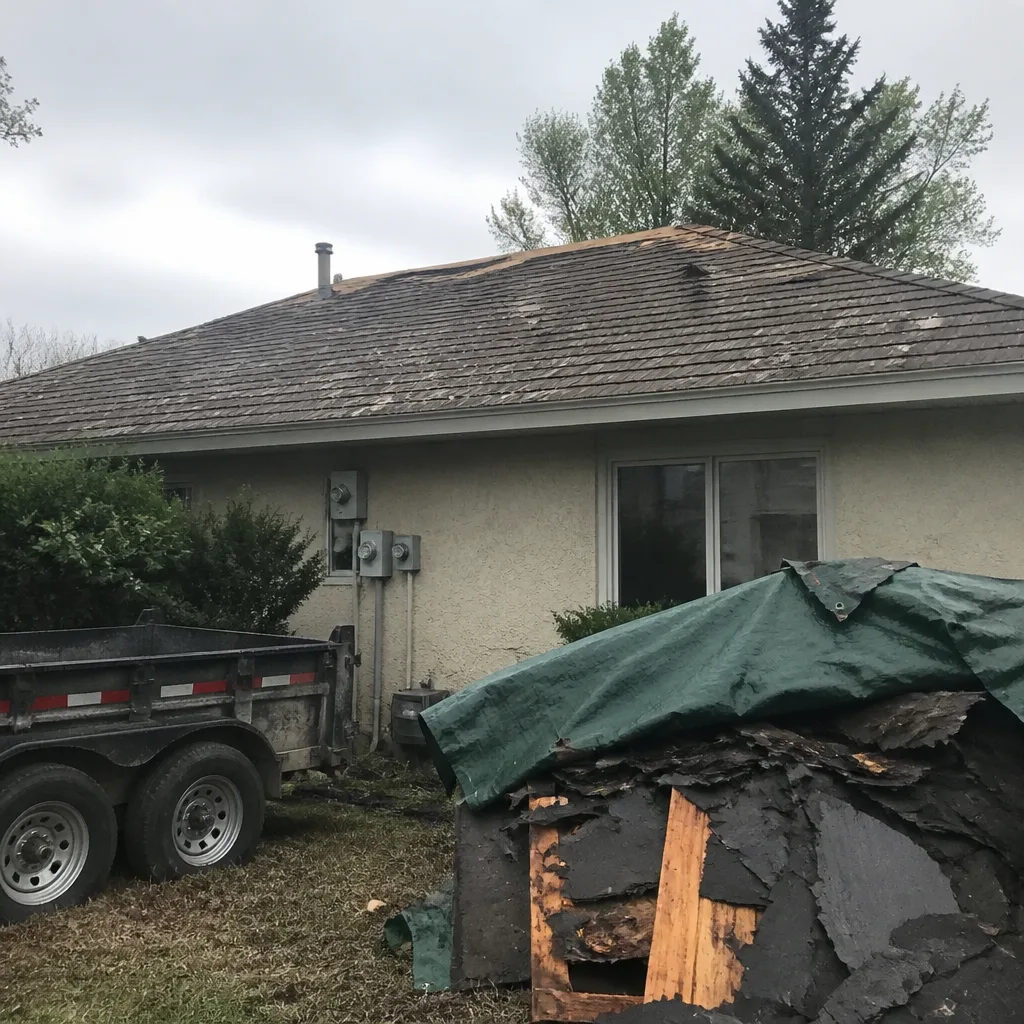 Before
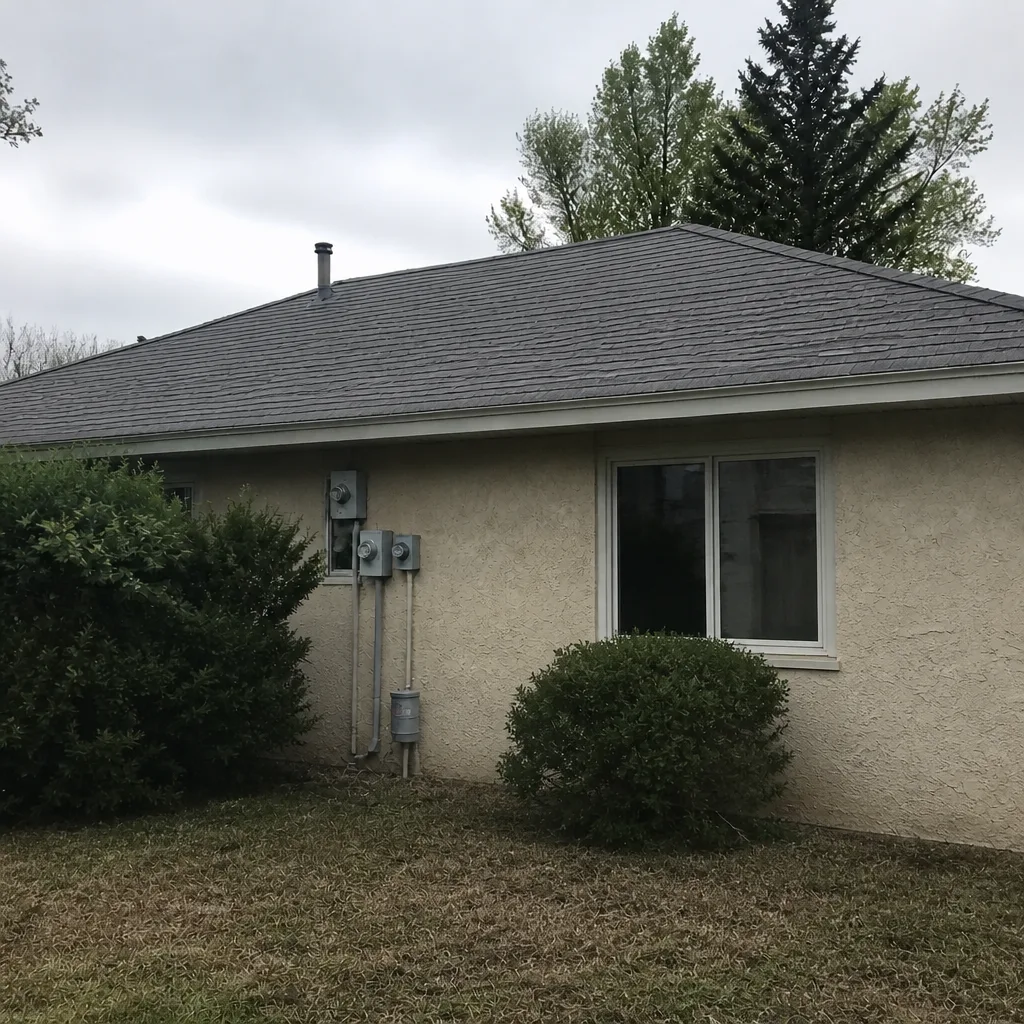 After
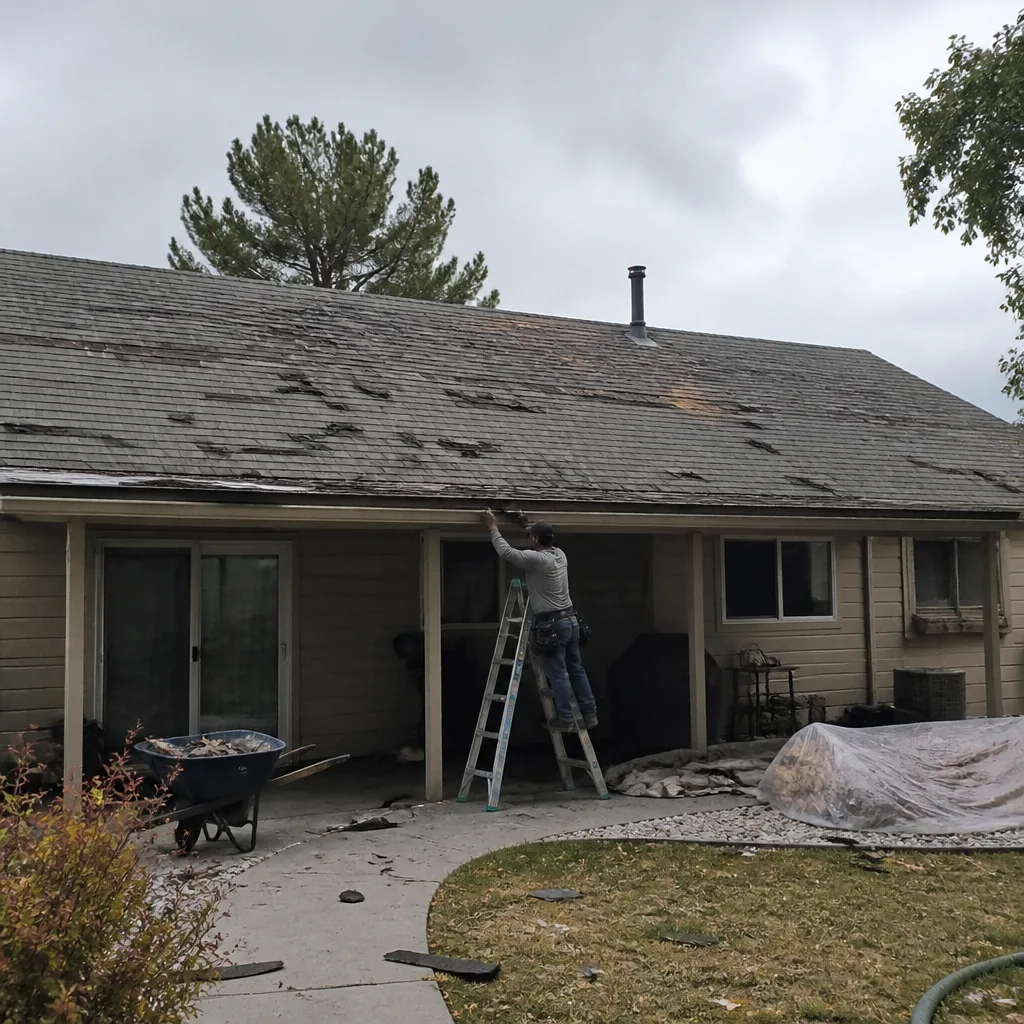 Before
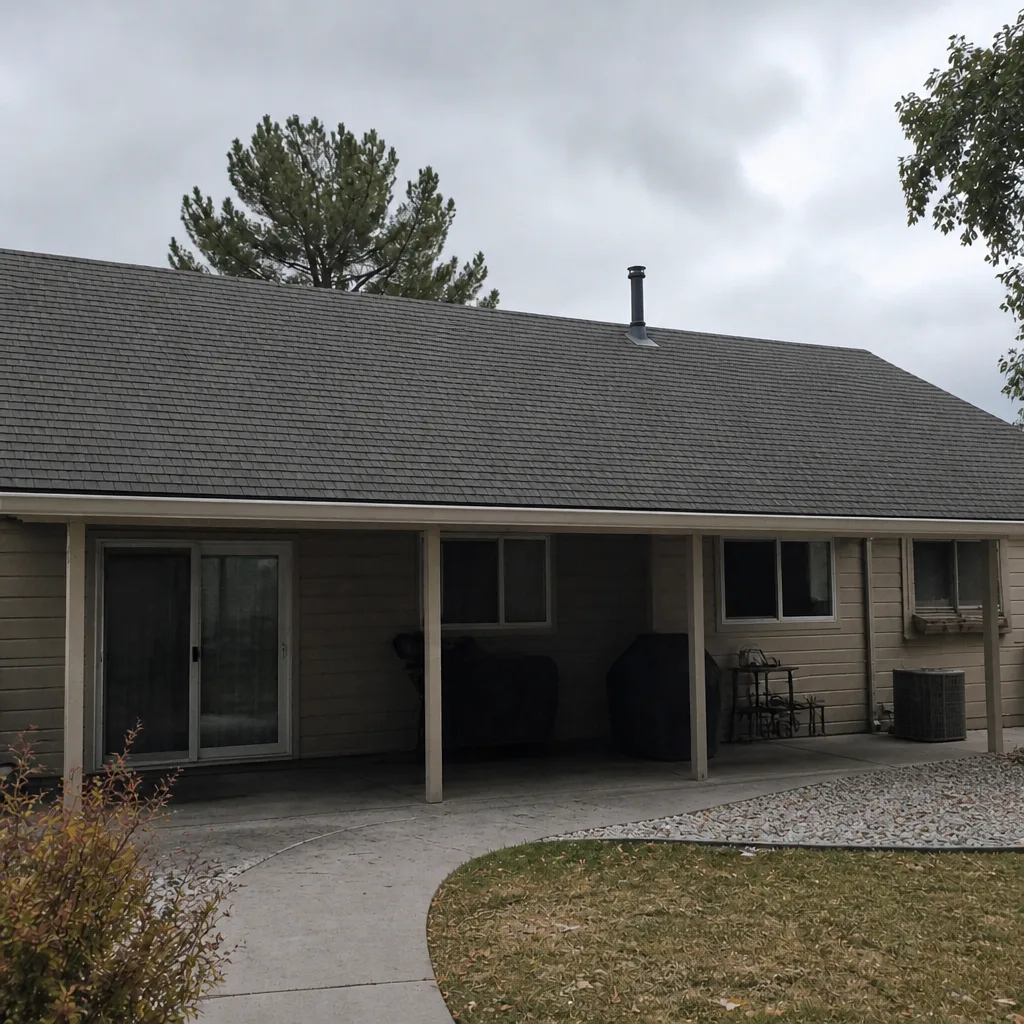 After
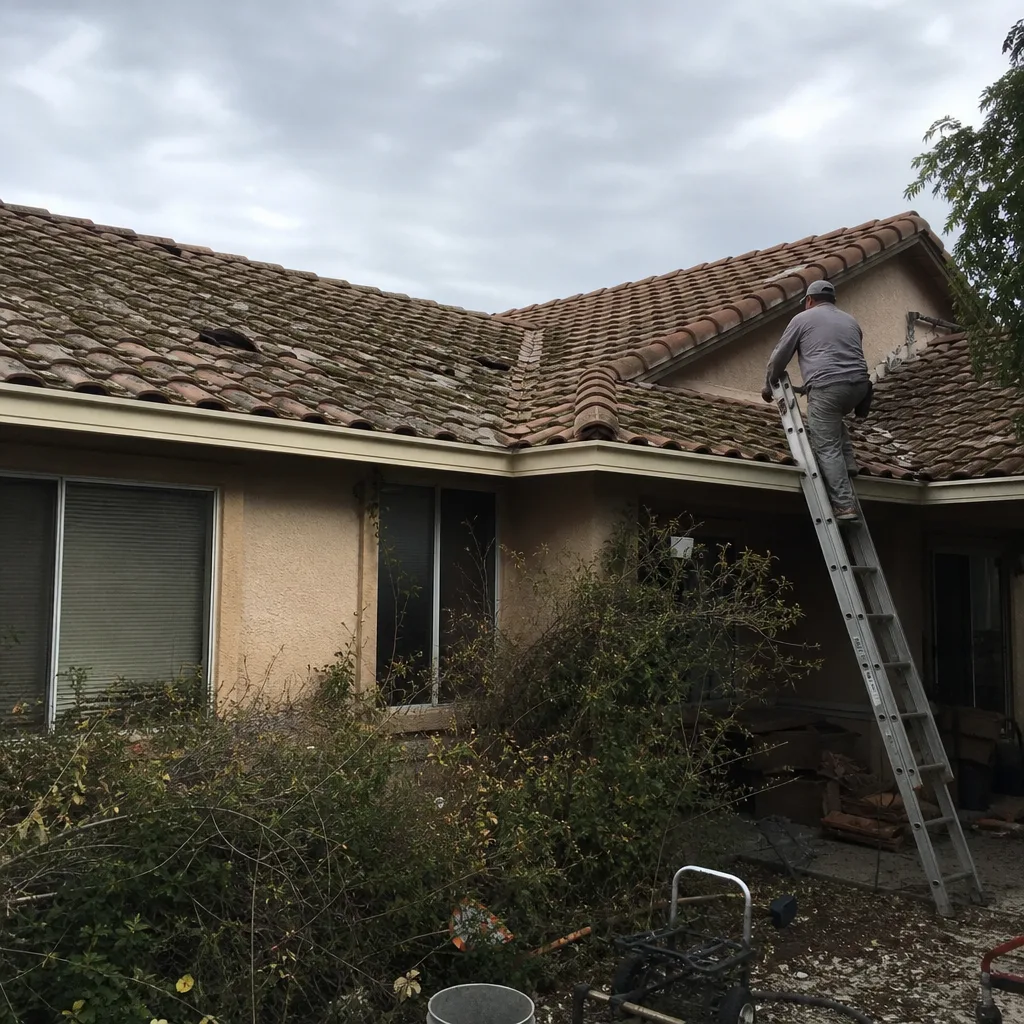 Before
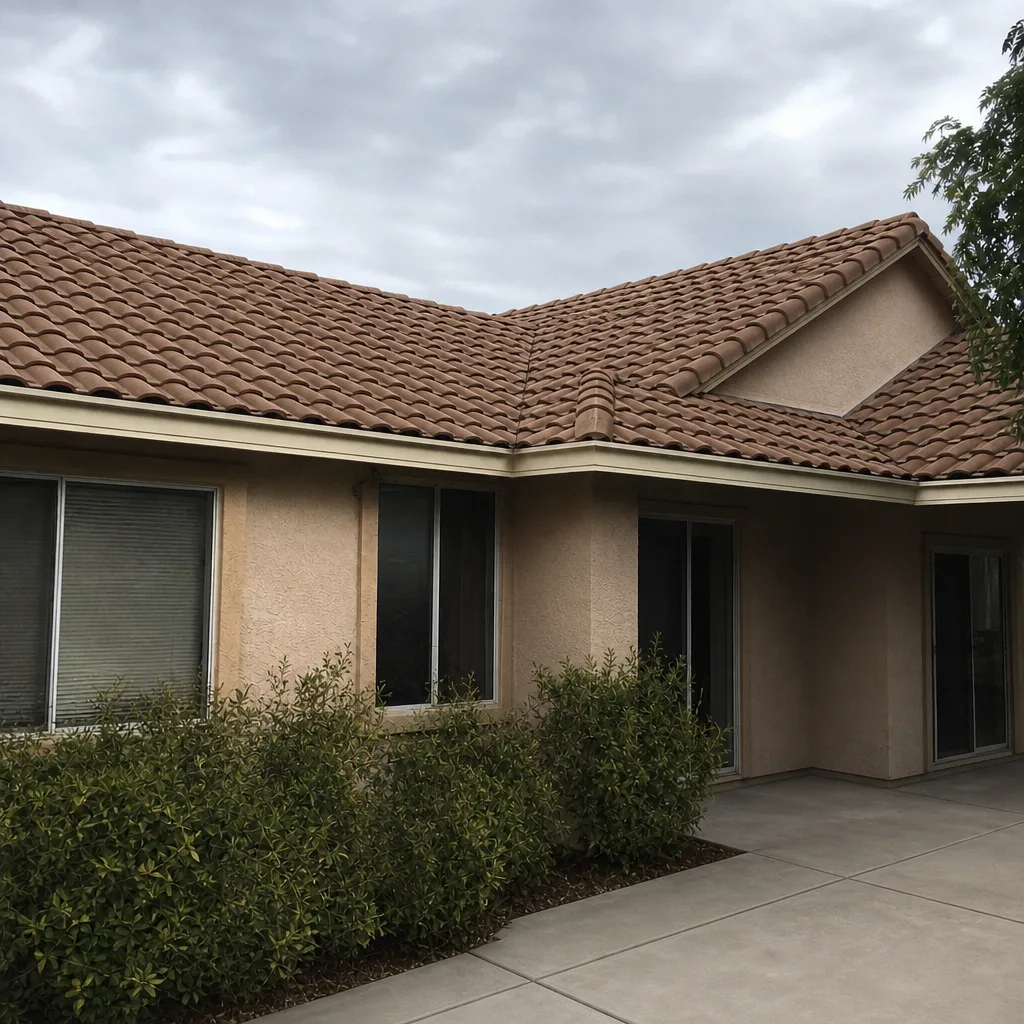 After
When to Call a Professional
Some roof issues are worth watching, and some are worth calling about now. Call a professional if you see a water stain on a ceiling or wall, if shingles are missing, cracked, or curling in more than one area, if you notice granules collecting in gutters or at the base of downspouts, or if a flashing point around a chimney or vent looks loose or rusted. Also call if you’ve had a repair done within the last year and the same problem has returned; that’s a sign the repair skipped a layer. And if you don’t know the roof’s condition at all, a standalone inspection gives you the answer before a small problem becomes a major one. Working at height is genuinely dangerous, and climbing a roof to diagnose it yourself isn’t worth the risk. Roofer Winchester offers free estimates in Winchester; call (833) 390-2853. We answer 24/7. Fast dispatch from 7am to 7pm, Sunday through Friday.
Frequently Asked Questions
Most single-area repairs are completed in a day, while larger repairs or repairs that require deck replacement can take longer. The schedule depends on how much area is affected and whether the underlayment and decking need work, which is why the inspection comes first. Call (833) 390-2853 for an exact timeline.
No, the written estimate sets the final price, so you know the cost before we begin. The only reason a scope changes is if opening the roof reveals a condition the inspection couldn’t see, such as hidden deck damage, and in that case we discuss the options with you before doing anything. Call (833) 390-2853 to schedule your free estimate.
Most cities, including Winchester, require a permit for certain roofing work, and whether yours needs one depends on the scope. We can advise on permit requirements as part of the estimate, and you should confirm specifics with your city’s building department. Call (833) 390-2853 to talk through your project.
No, a repair addresses function, not appearance, and it won’t make an older roof look new. A cosmetic repair can tidy a small visual issue, but if your goal is a like-new appearance, replacement is the honest answer. Call (833) 390-2853 to find out which one your roof actually needs.
The daily temperature swing between hot desert afternoons and cool nights, combined with strong UV at roughly 2,000 feet, wears shingles faster than the lab conditions behind the manufacturer’s rating assume. That thermal cycling is the main reason roofs here age ahead of schedule. Call (833) 390-2853 for an inspection that accounts for local conditions.
Repair is usually the better call if the damage is localized and the roof has life left, since a buyer’s inspection will still find the underlying condition; replacement is the better call if the roof is near the end of its life and a repair would only postpone the inevitable. Honest guidance here is worth more than a rushed fix. Call (833) 390-2853 for a straight answer.
The Bottom Line
Winchester’s climate writes its own rules for roof repair. The high elevation, the hot days, and the cold desert nights combine to age roofing materials faster than a manufacturer’s rating predicts, so the right repair is the one built for those conditions and for the specific material on your home. The correct sequence, inspection, damage mapping, underlayment check, then surface work, is what separates a repair that lasts from a patch that fails. Document everything to protect your warranty. And when someone offers a free inspection that’s really a sales call, ask for the findings in writing. For a Winchester roof, the best first move is an honest inspection with a free written estimate.
Ready to find out what your roof actually needs? Call (833) 390-2853 for a free estimate. We answer 24/7. Fast dispatch from 7am to 7pm, Sunday through Friday. Whether it’s a repair, a replacement, or a standalone inspection, we’ll give you the straight answer and the written scope to match. Roofing only. Done right.
Written by the team at Roofer Winchester.