
Last updated November 17, 2026
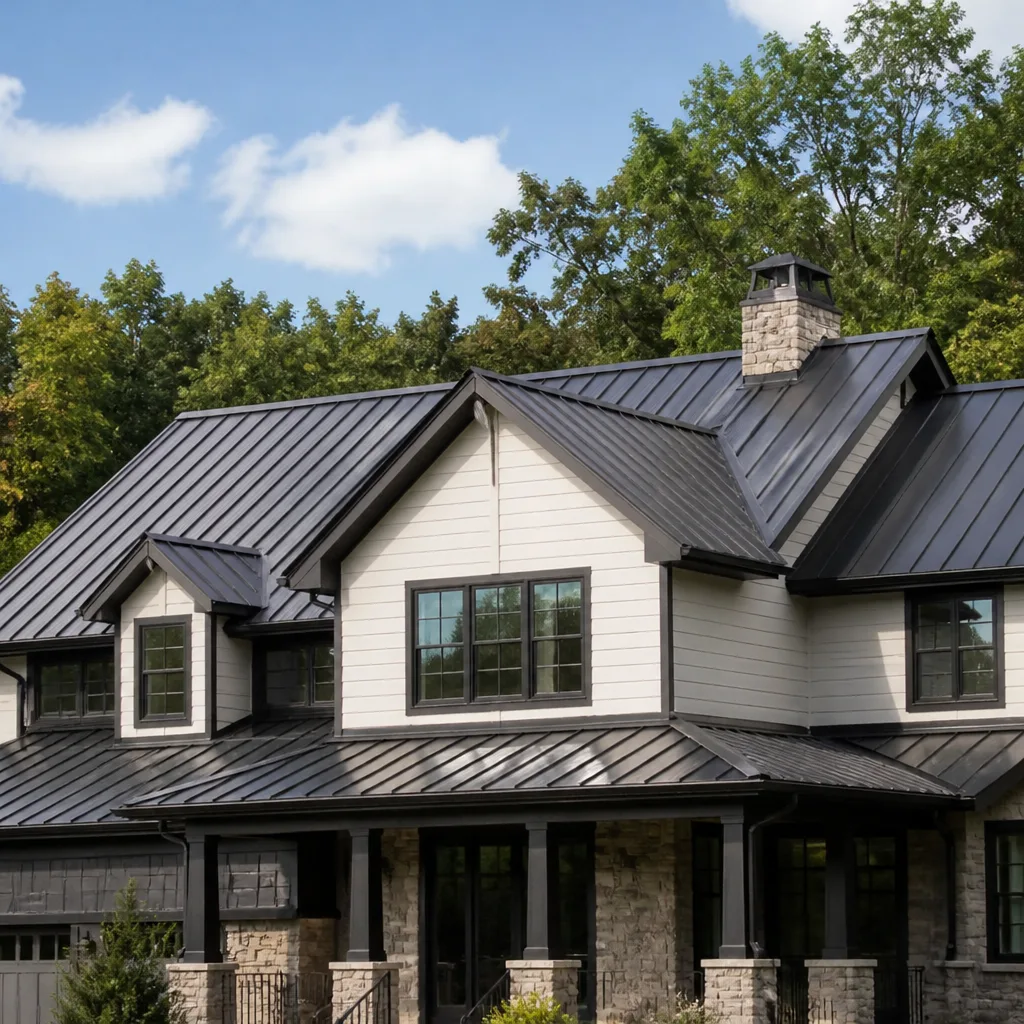 Metal roofing
 Architectural shingles
 Tile roofing
 GAF
 Owens Corning
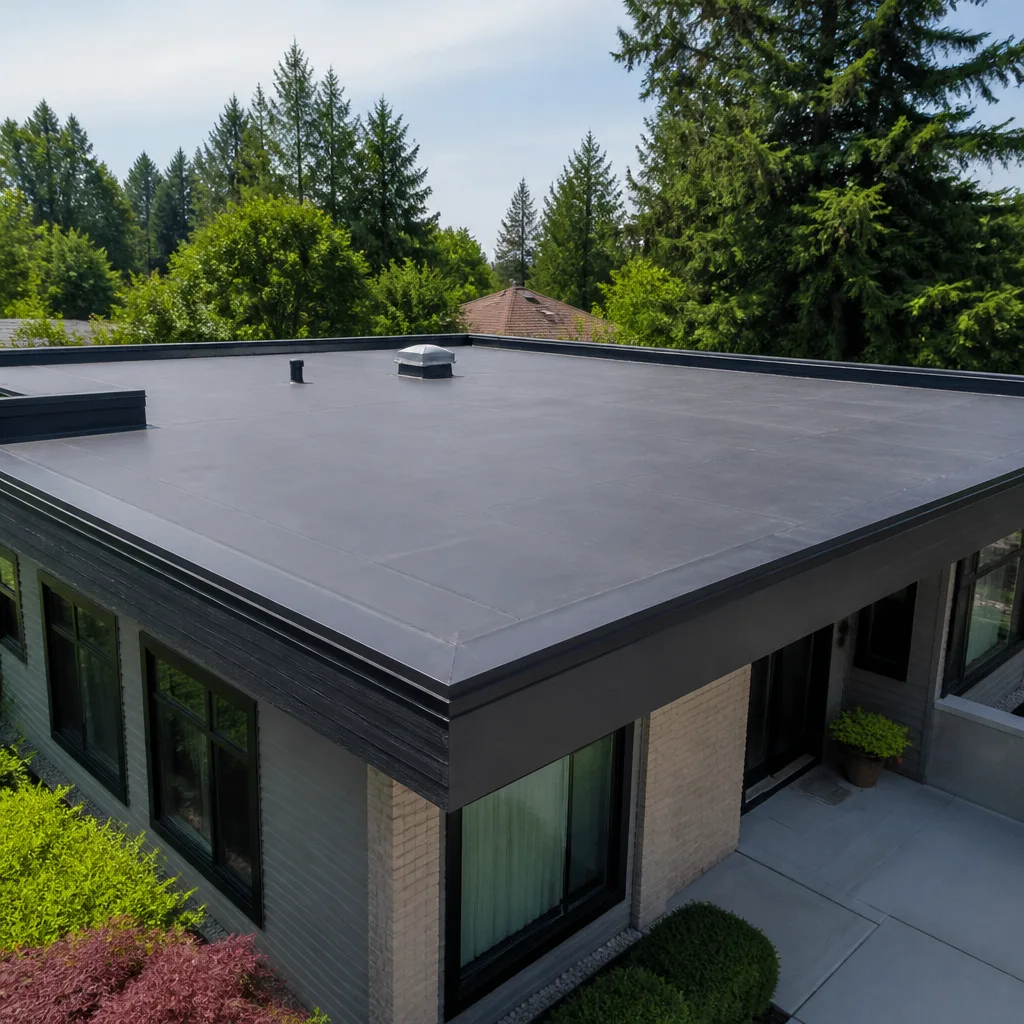 Flat & low-slope
Free roof inspection with deck photos before we talk money - GAF and Owens Corning certified installation
Seasonal Roofing Care for Winchester: Year-Round Homeowner’s Guide
Here’s the misconception we run into most: homeowners treat roof care as a four-season job, spring cleaning through winter prep, because that’s how every roofing guide online is written. Winchester doesn’t work that way. The Mojave climate hands you two distinctly different stress periods – brutal thermal cycling from March through June, then monsoon vulnerability from July through September – and the calendar most people follow is set to a Midwest rhythm that doesn’t match either one. The result is homeowners who spend every season reacting to damage that was predictable months earlier. This guide rebuilds the roofing calendar around how Winchester weather actually behaves, month by month, so you can stay ahead of the roof instead of chasing it.
Quick Answer
Seasonal roof care in Winchester means planning around two stress seasons, not four: a thermal stress window from March through June and a monsoon vulnerability window from July through September. The highest-value move is a spring inspection in March or April that catches winter settlement before summer heat locks it in, followed by a fall window in October to address anything the summer exposed. Annual inspection is the single task that matters most, and most roofs here benefit from at least one check per year plus a quick visual scan after any significant wind or rain event.
Styles & brands we work with
- Architectural shingles
- Metal roofing
- Tile roofing
- GAF
- Owens Corning
- Flat & low-slope
Table of Contents
- Why Winchester Roofing Has Two Seasons, Not Four
- March to May: The Highest-Value Inspection Window of the Year
- June: What Thermal Cycling Fatigue Looks Like on Your Shingles
- July to September: Monsoon Preparation Tasks
- October: The 90-Day Repair Window Most Homeowners Waste
- November to December: Which Repairs Can’t Wait and Which Can
- January and February: The Quiet Season Checklist
- The Full Winchester Roof Care Calendar at a Glance
Why Winchester Roofing Has Two Seasons, Not Four
Most seasonal roofing advice assumes a climate with a deep freeze and a wet spring. Winchester doesn’t have either. What it has is a long stretch of intense sun and heat that expands and contracts roofing materials daily, followed by a short, violent summer rain season where a month’s worth of moisture can arrive in an afternoon. Those two forces do different kinds of damage, and they demand different kinds of preparation.
Thermal stress is the first. Through spring and early summer, a dark roof surface can swing dozens of degrees between afternoon and overnight. Asphalt shingles expand in the heat and contract as the roof cools, thousands of cycles over a season. That movement works on every fastener, sealant strip and flashing edge on the roof. It’s slow, invisible damage that shows up as loose shingles, cracked sealant and slightly backed-out nails long before it shows up as a leak.
Monsoon vulnerability is the second. When the summer rain arrives, it arrives hard and fast. Water doesn’t soak gently into a slope; it sheets off and pools wherever drainage is restricted. Roofs that handled light winter rain without complaint can fail under a single heavy monsoon cell because the failure point isn’t the shingle field – it’s the drainage path, the low-slope section, or a sealant joint that dried and cracked in June.
The practical upshot: Winchester homeowners get two focused windows to work with instead of four muddled ones. Spring is for catching thermal and settlement issues before the heat magnifies them. Fall is for repairing whatever the monsoon exposed. If you plan around that reality instead of the standard four-season checklist, everything else on this page falls into place. And if you want to understand the climate and neighborhood context behind the calendar, we cover that on our Winchester page.
March to May: The Highest-Value Inspection Window of the Year
Spring is the most valuable inspection window on the Winchester roofing calendar, and it’s the one homeowners skip most often. The thinking is understandable – nothing leaked all winter, so what’s there to check? But the reason to inspect in spring isn’t to find active leaks. It’s to catch the small, stable problems that winter left behind before summer heat turns them into expensive ones.
Here’s how a spring inspection pays off. Over the cooler months, shingles settle, fasteners work slightly loose, and flashing edges can lift a fraction. None of that is a leak yet. But once the thermal cycling season starts in earnest, a shingle that’s already slightly loose will flex more, its sealant strip will separate faster, and a small lifted edge becomes a wind-catch point. A problem that would have been a five-minute re-seal in March becomes a shingle replacement in July.
What a spring inspection covers:
- Shingle field: checking for lifted, curled or missing shingles and any granule loss that suggests a shingle is near the end of its useful life.
- Fasteners: looking for backed-out or lifted nails, especially on older roofs where nails have worked loose through years of expansion.
- Flashing: checking every penetration, valley and wall junction where metal flashing meets shingles. This is where most leaks begin.
- Sealant joints: inspecting the flexible sealant at pipe boots, vents and edge details, which dries and cracks faster in a hot, dry climate than most homeowners expect.
- Settlement evidence: checking ridge lines, hips and valleys for any sagging or misalignment that suggests a structural concern worth a closer look.
March and April are the ideal months because temperatures are still moderate and the roof is stable. By May the heat is building and it’s harder to schedule work comfortably. If you do one thing on this calendar, make it a spring inspection. Our roof repair team handles small spring issues routinely, and it’s almost always less work than waiting until after the thermal season.
June: What Thermal Cycling Fatigue Looks Like on Your Shingles
By June, the thermal cycling season is in full swing, and this is the month to know what to look for. Thermal cycling fatigue is the accumulated effect of thousands of expand-and-contract cycles on a shingle roof, and it has a fairly specific set of visual signatures. If you know what you’re looking at, you can spot the early stages and plan a repair before a leak develops.
What thermal fatigue looks like from the ground or from a safe vantage point:
- Curled or “cupped” shingle edges. When shingles age under repeated thermal stress, their edges lift and curl upward. Early on this is subtle; over a few seasons it becomes obvious. Cupping means the shingle is losing its flexibility and its seal to the shingle below.
- Granule loss in patches. The granules on an asphalt shingle are its UV protection. If you’re finding granules collecting in gutters or at the base of downspouts in a heavier concentration than usual, or if shingle surfaces look bare and patchy, the shingle is aging faster than its field neighbors.
- Lifted or missing sealant strips. The adhesive strip that bonds one shingle course to the next is what keeps wind from getting underneath. Heat degrades it. Visibly separated sealant strips are the clearest early warning sign.
- Backed-out fasteners. As shingles flex, the nails holding them can work upward and eventually puncture the shingle above. A professional inspection catches this because the nails aren’t always visible from below.
- Loose or cracked sealant at penetrations. Pipe boots, vents and flashing edges all have sealant that dries and cracks with heat. These are the most common leak points in a thermal-stressed roof.
What you’re looking for at this stage is the pattern, not a single shingle. One slightly curled shingle is normal. A whole slope where shingle edges are lifting uniformly, or a section that’s clearly losing granules faster than the rest, is thermal fatigue at work. The shingle brand matters less than the installation details and the age of the roof – a premium line like Owens Corning Duration or a CertainTeed architectural shingle still ages under thermal cycling, just more slowly than a budget three-tab. If you’re unsure whether what you’re seeing is fatigue or just normal aging, that’s exactly what a professional inspection is for. Caught in June, most thermal fatigue is a repair. Caught in January after a leak, it’s often a replacement.
July to September: Monsoon Preparation Tasks
Monsoon season is when Winchester roofs get tested, and the prep work that matters most is drainage and sealing. The rain during this window comes fast and heavy, and it finds every weak point in the water’s path off the roof. The good news is that monsoon preparation is a defined list of tasks, and most of them can be done in a single inspection visit if you schedule it in June or early July.
Monsoon prep tasks, in priority order:
- Clear every scupper, drain and downspout opening. Debris that built up over the dry months will block drainage exactly when the rain comes. A blocked scupper turns a light roof into a pool, and pooled water is how low-slope roofs fail.
- Inspect low-slope and flat sections. These are the areas most vulnerable to monsoon flooding because water has time to pool. Check for ponding evidence, standing-water stains, and any soft spots in the membrane.
- Re-seal dried joint and flashing sealant. Heat cracks sealant; monsoon rain then pushes water into those cracks. Re-sealing pipe boots, vent collars, and flashing edges before the season starts is the single highest-value prep task for most Winchester roofs.
- Check gutter attachment and pitch. Gutters aren’t a roofing service we offer, but the drainage path is part of the roof system. Make sure your gutters are securely attached and pitched toward the downspouts, so water leaves the roof edge cleanly.
- Confirm attic ventilation is working. Proper ventilation reduces the heat that drives thermal cycling and helps moisture escape. A clogged or undersized vent is a hidden contributor to roof wear.
- Do a post-storm scan. After any significant monsoon cell, walk the perimeter of the house and look for displaced shingles, granule piles at downspouts, or water stains on the ceiling or in the attic. Catching storm damage early prevents a small repair from becoming a water-damage claim.
If monsoon damage does show up, the repair matters more than the speed – but with a roof, water is time-sensitive, so it does help to get someone out promptly to assess it. Our full Roofer Winchester team handles both the inspection and the repair, so there’s no handoff between the person who diagnoses the problem and the crew that fixes it.
October: The 90-Day Repair Window Most Homeowners Waste
October is the most underused month in Winchester roof care, and it’s worth understanding why. By October, temperatures have dropped, monsoon risk is gone for the year, and you have a clean 90-day window to address any damage the summer exposed before the next thermal cycle begins. Most homeowners spend that window doing nothing – the next inspection is months away, so why bother? That’s the mistake. October is when a repair is cheapest, easiest to schedule, and least likely to escalate.
Here’s why the window is so useful. Any monsoon damage – a lifted shingle, a cracked sealant joint, a loosened flashing edge – is now stable. It’s not being actively flexed by heat and it’s not being pushed by rain. That makes it a straightforward repair. Meanwhile, the roof has a full winter of stable conditions ahead, which means you’re not racing the weather. The repair gets done properly, on your schedule, and the roof enters spring in good shape.
What to prioritize in October:
- Re-inspect after the monsoon season. A post-monsoon inspection is the single most valuable October task. It catches anything the summer rain exposed.
- Address all active leaks immediately. If you saw any water intrusion during the monsoon, treat it as urgent. October is the right time to fix it – not December.
- Repair lifted, curled or missing shingles. These are stable repairs in October. Waiting until spring means they’ve been through a winter and a thermal cycle before you touch them.
- Re-seal all sealant joints and flashing. The heat of summer dries sealant. Re-sealing in October protects the roof through the cooler months and into the next summer.
- Clear the roof of debris and confirm drainage is still clear. A clean roof and clear drainage carry you through the winter with fewer surprises.
The point isn’t that every repair must happen in October. It’s that October removes the urgency from the work and lets you sequence it on your terms. If you use that window, you’ll enter the next thermal season with a sound roof instead of a list of overdue repairs.
November to December: Which Repairs Can’t Wait and Which Can
By November and December, the Winchester climate has settled into its stable stretch, and the question changes from “what should I do” to “what actually can’t wait.” Most fall repairs can wait until spring without consequence, but a few can’t. Knowing the difference keeps you from over-repairing in November and under-repairing in March.
Repairs that shouldn’t wait past December:
- Active leaks or any sign of water intrusion. A leak that’s letting water into the attic or ceiling is a structural and health concern, not just a roofing one. Water doesn’t pause for the season. Fix active leaks now.
- Missing or displaced shingles on a main slope. A missing shingle exposes the underlayment and the deck below it to whatever weather comes. Get it replaced before the next season.
- Any flashing detail that’s clearly failed on a roof penetration. These are small repairs with a lot of leverage. A cracked pipe boot is a ten-minute repair and a leak waiting to happen.
- Structural concerns like visible sagging or movement. Anything that suggests the roof structure is not stable warrants a professional look, not a wait-and-see approach.
Repairs that comfortably wait until spring:
- Cosmetic granule loss without any functional failure. Aging shingles with visible granule loss but no leaks or lifted edges can wait; the inspection in spring will tell you if the roof is nearing the end of its life.
- Minor sealant touch-ups on low-traffic details. Small sealant re-sealing on non-critical details can be done at the spring inspection.
- Debris clearing on areas that aren’t affecting drainage. If nothing is blocking water flow, this can wait for the spring inspection.
The key distinction is between a functional problem (water is getting in, or something is exposing the deck) and a cosmetic or aging issue. Functional problems get fixed now. Aging issues get documented and planned for spring.
January and February: The Quiet Season Checklist
The quiet winter months are the best time for planning and the occasional proactive check – not for major roof work. This is when you review what the year told you and decide whether the roof is in a repair mode or approaching a replacement decision. If your inspections have flagged the same shingles two years running, or if the roof is well into its expected service life, that’s a conversation worth having now rather than after a failure.
The winter checklist is short:
- Review your inspection notes. If you’ve had inspections in spring and fall, compare them. Recurring problems are a signal.
- Check the attic after any rain. Look for water stains, damp insulation, or daylight at the roof plane. These are early signs worth a professional look.
- Check for ice dams or unusual water patterns, if any. In Winchester the bigger winter concern is stability, not deep freeze, but any unusual moisture pattern on the roof or in the attic is worth investigating.
- Plan your spring inspection. Book it early. March and April fill up as the thermal season approaches.
- Think about the age question. If your roof is showing age and the year is ahead of you, this is the season to get an honest assessment rather than wait for a leak to force the decision.
If the winter review points toward replacement, we handle that through our roof replacement service. But a replacement decision should come from an inspection and an honest assessment, not from the calendar. Repair or replace – we’ll tell you which one you actually need.
The Full Winchester Roof Care Calendar at a Glance
Here’s the whole calendar condensed. If you remember nothing else, remember that spring is for inspecting and fall is for repairing – and that October is the month most homeowners waste.
| Month | Primary Task | Why It Matters |
| March – April | Full spring inspection | Catches winter settlement before summer heat locks it in |
| May | Re-seal flashing and sealant joints | Protects joints before thermal cycling begins |
| June | Assess thermal fatigue; check sealant and fasteners | Early detection of expand-contract damage |
| July – August | Monsoon prep: clear drainage, inspect low-slope, re-seal | Flash flood risk makes drainage the priority |
| September | Post-storm scan after any heavy cell | Catches monsoon damage early |
| October | Post-monsoon inspection and priority repairs | The best window to fix summer damage before winter |
| November – December | Fix active leaks and functional issues; defer cosmetic | Knows which repairs can wait until spring |
| January – February | Review, inspect attic, plan spring inspection | Planning season; sets up the year |
Two inspections a year – one in spring, one in fall – cover the bulk of what matters. Everything else is preparation and follow-through. Our technicians have up to 9 years of experience working in this climate, and the pattern we see most often is homeowners who skip the spring inspection and then spend the summer chasing problems. The guide is designed to keep you on the front foot.
Common Mistakes to Avoid
- Following a four-season calendar built for a different climate. Most seasonal roof care advice assumes a wet spring and a deep freeze. Winchester doesn’t have either, so the tasks land in the wrong months. Rebuild your calendar around the two-season reality.
- Skipping the spring inspection because nothing leaked all winter. Spring inspection isn’t about finding active leaks – it’s about catching the small stable issues before summer heat magnifies them. This is the single most costly mistake on the list.
- Judging thermal fatigue by one bad shingle. One curled shingle is normal wear. A uniform pattern across a slope is the real signal. Inspecting only the spot you noticed tells you very little about the roof’s actual condition.
- Clearing scuppers and drains only when they look blocked. Monsoon prep is preventative. By the time a drain looks blocked, the next heavy rain is the wrong time to find out. Clear them in June or early July, before the season.
- Wasting the October window. October is the cleanest repair window of the year. Most homeowners skip it because nothing is actively leaking. Then the roof sits through the winter with monsoon damage waiting to become a spring repair.
- Letting a small flashing or sealant failure linger for the season. These are the cheapest repairs on the roof and the most common leak points. A cracked pipe boot is a ten-minute fix and a water-damage claim if you ignore it.
- Treating every aging roof as a replacement. A roof with granule loss isn’t automatically gone. Get an honest inspection, and if a repair will do, take the repair. This is exactly where a company with real product knowledge and no single-brand incentive is useful – whether you’re looking at a GAF system or an IKO line, the recommendation should match the roof and the budget, not the supplier’s inventory.
When to Call a Professional
Some roof care is owner-level checking. Some isn’t. Call a professional if you’re seeing any of the following: active water intrusion in the attic or ceiling, missing or displaced shingles you can see from the ground, visible sagging or movement in the roof line, a flashing or sealant failure you can’t safely reach, or any pattern of shingle aging that’s appeared in two consecutive seasons. And call if you simply want a real answer rather than a guess about whether the roof is a repair or a replacement. Walking a roof and assessing it accurately takes training and the right equipment, and the consequences of getting it wrong – a fall, or a missed defect – are serious. Roofs are high, the pitch is unforgiving, and the deck below is not something you want to test. Roofer Winchester offers free estimates in Winchester – call (833) 390-2853 to schedule an inspection or a repair quote.
Frequently Asked Questions
Twice a year is the practical standard here – once in spring (March or April) and once after the monsoon season (October). That two-visit rhythm covers the thermal stress window and the monsoon window separately, which is more useful than a single annual visit. If a heavy wind or rain event passes through, add a visual scan from the ground. Call (833) 390-2853 for an exact quote – estimates are free.
We offer free estimates on inspection and repair, and pricing on any actual work is set per job by a written, line-item estimate. The estimate covers the scope and the price – there are no change-order surprises. Call (833) 390-2853 to schedule your free estimate.
Because the local cycle is a thermal stress season from March through June followed by a monsoon vulnerability season from July through September, not the four-season pattern most roofing guides assume. The tasks are the same – inspect, seal, clear drainage, repair – but the months they should happen in are different. Planning around the two-season cycle is what keeps you ahead of the roof instead of reacting to it.
Look for curled or cupped shingle edges, patches of granule loss, separated sealant strips, backed-out fasteners, and dried or cracked sealant at penetrations. One isolated shingle isn’t a signal; a uniform pattern across a slope is. Professional inspection catches it earlier because some of these issues, especially backed-out fasteners, aren’t visible from the ground. Call (833) 390-2853 for a proper inspection.
Active leaks, missing shingles on main slopes, clearly failed flashing, and any structural concern should be handled before winter. Cosmetic granule loss without failure, minor sealant touch-ups on non-critical details, and debris clearing that isn’t affecting drainage can wait for the spring inspection. The dividing line is functional damage versus aging.
We work with seven leading shingle manufacturers – GAF, CertainTeed, Owens Corning, IKO, Atlas, Tamko and Boral – which means your recommendation is driven by your roof and your budget, not by a single-vendor incentive. On a repair, the brand matters less than the installation detail; on a replacement, the brand range gives you real options. Call (833) 390-2853 and we’ll lay out the choices for your roof.
The Bottom Line
The Winchester roofing calendar isn’t four seasons of busywork – it’s two concentrated windows and a lot of preparation around them. Spring inspection catches the small issues before the thermal season magnifies them. Summer prep is about drainage and sealant, not shingle replacement. October is the most valuable repair window of the year, and most homeowners waste it. Winter is for planning and honest assessment, not for waiting out a leak. Run the same two inspections every year, keep drainage clear, and let a professional tell you the difference between aging and failing. If you want that assessment done properly, we’re roofing only – repair, replacement, and inspection – and we’ll tell you which one your roof actually needs.
Call (833) 390-2853 to schedule your free estimate. We answer 24/7. Fast dispatch from 7am to 7pm, Sunday through Friday.
Written by the team at Roofer Winchester.
See the difference
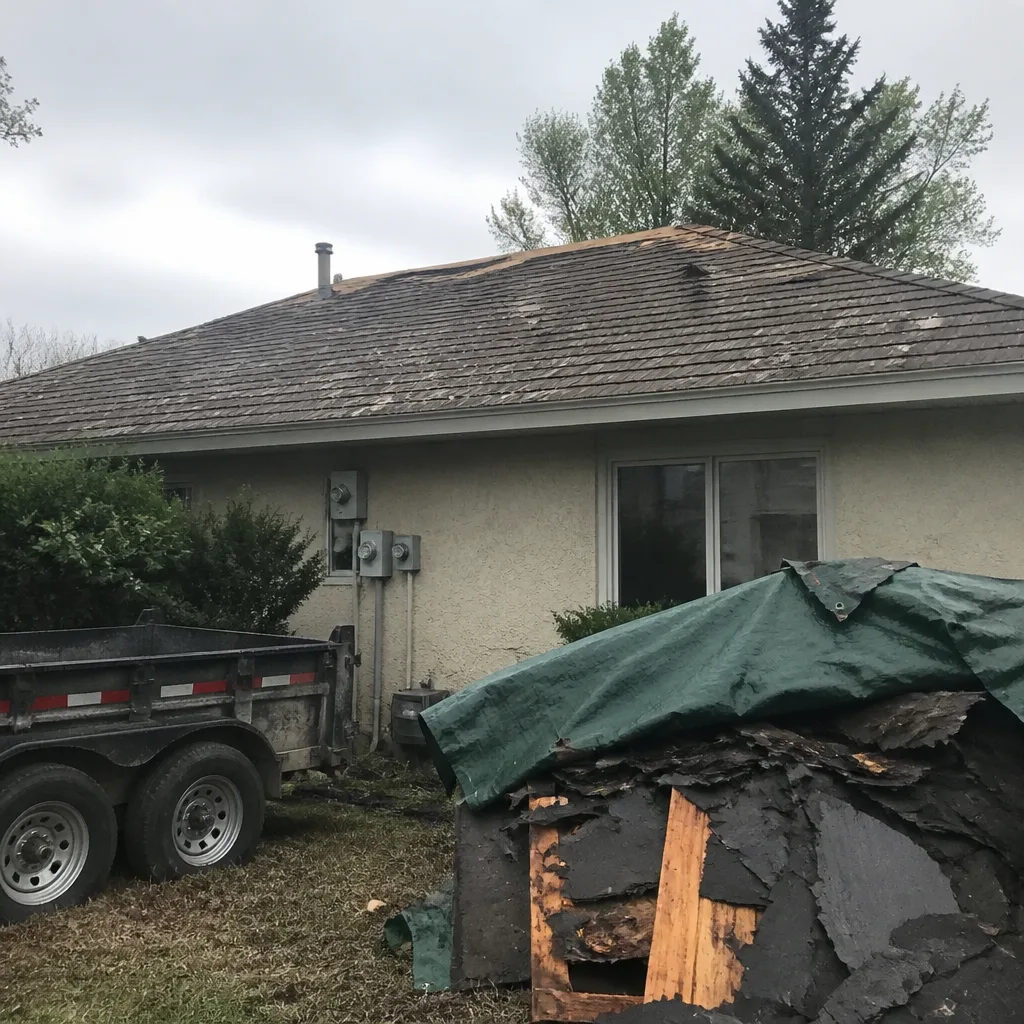 Before
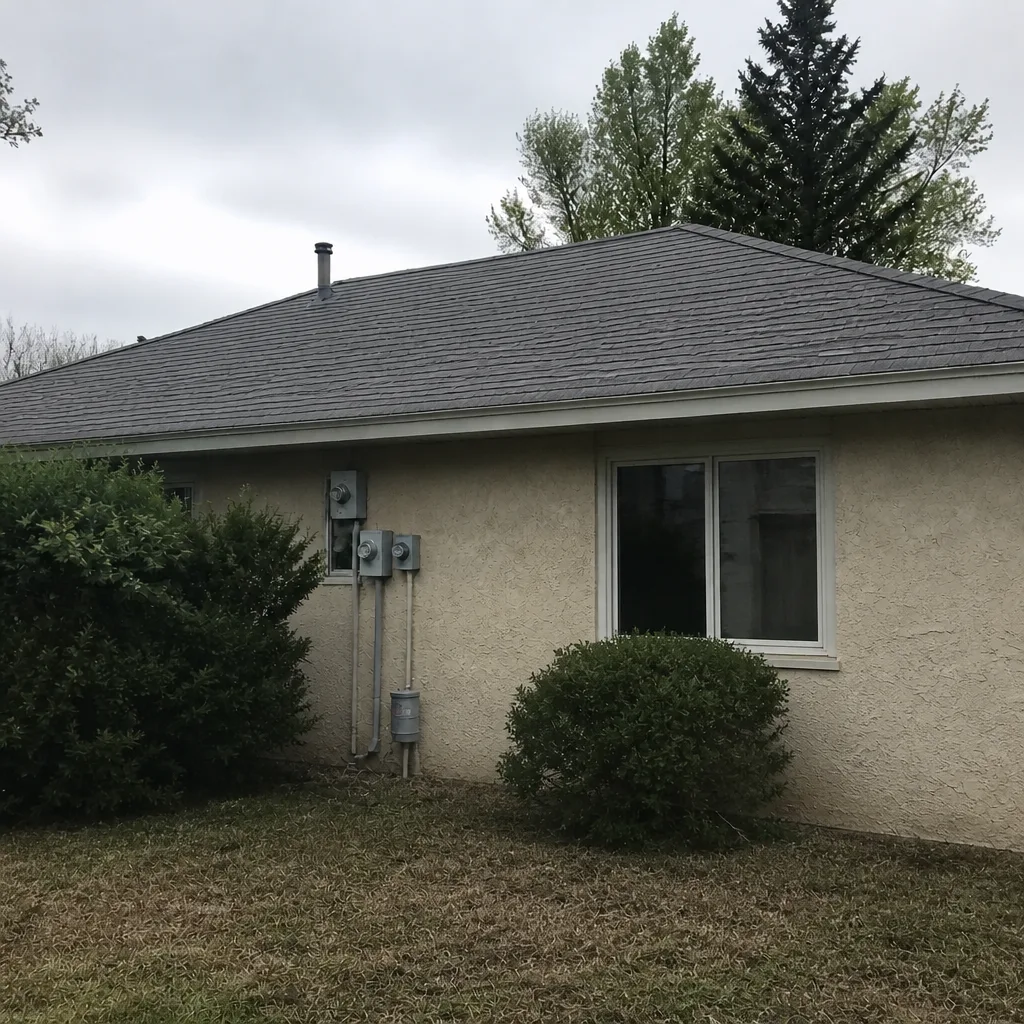 After
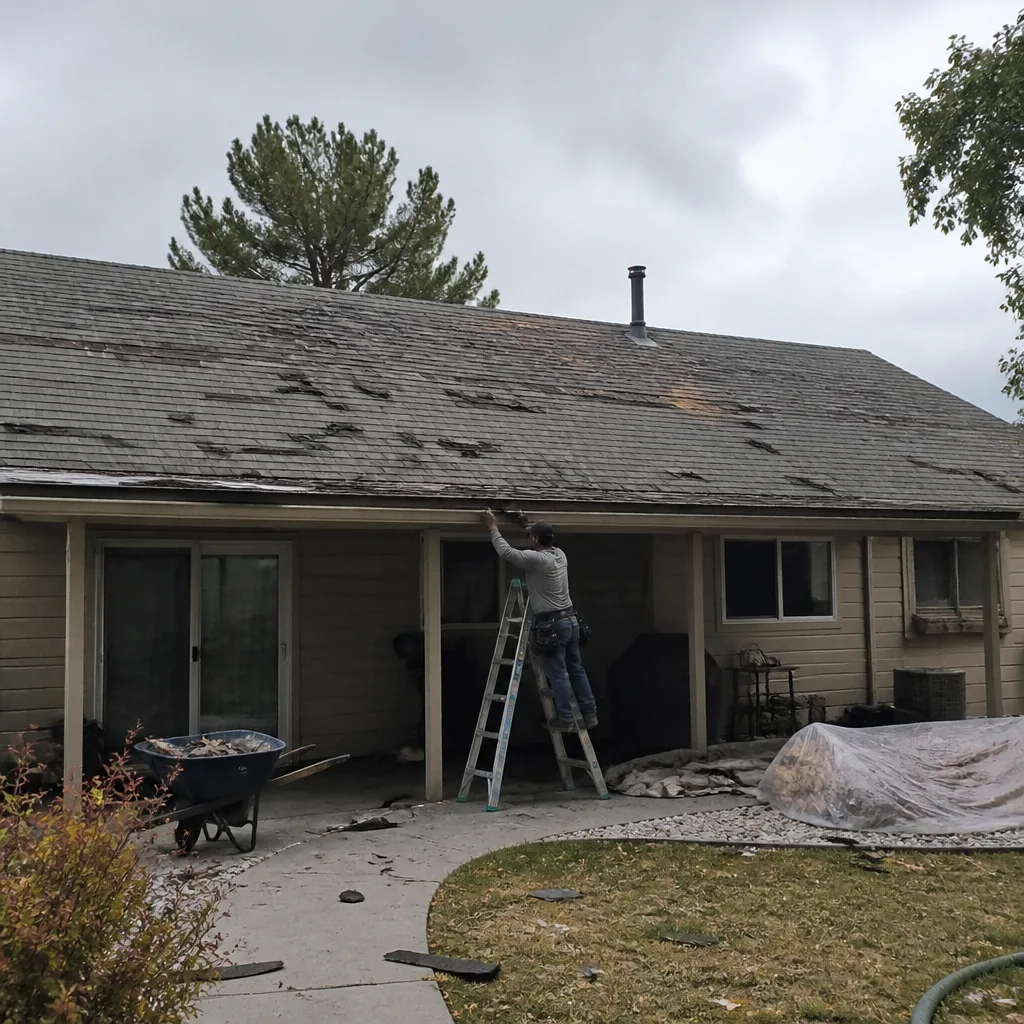 Before
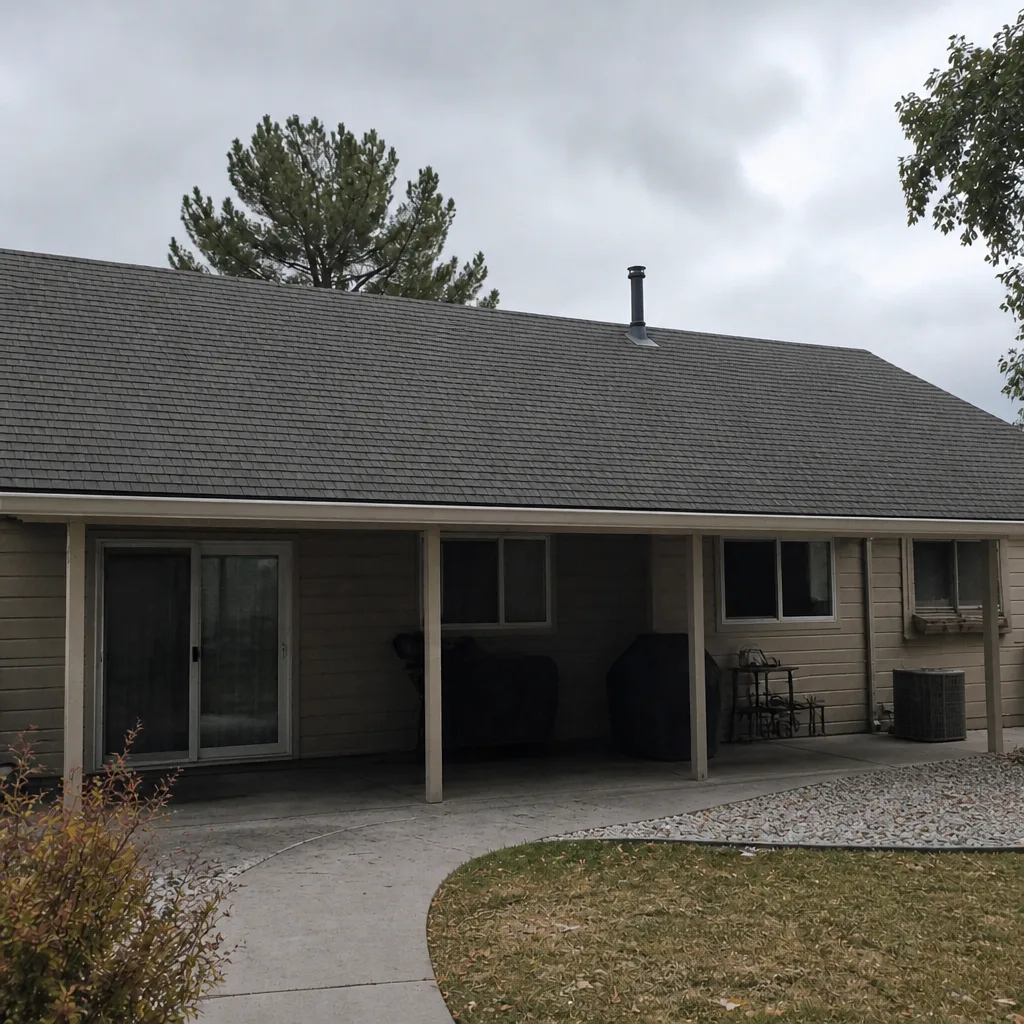 After
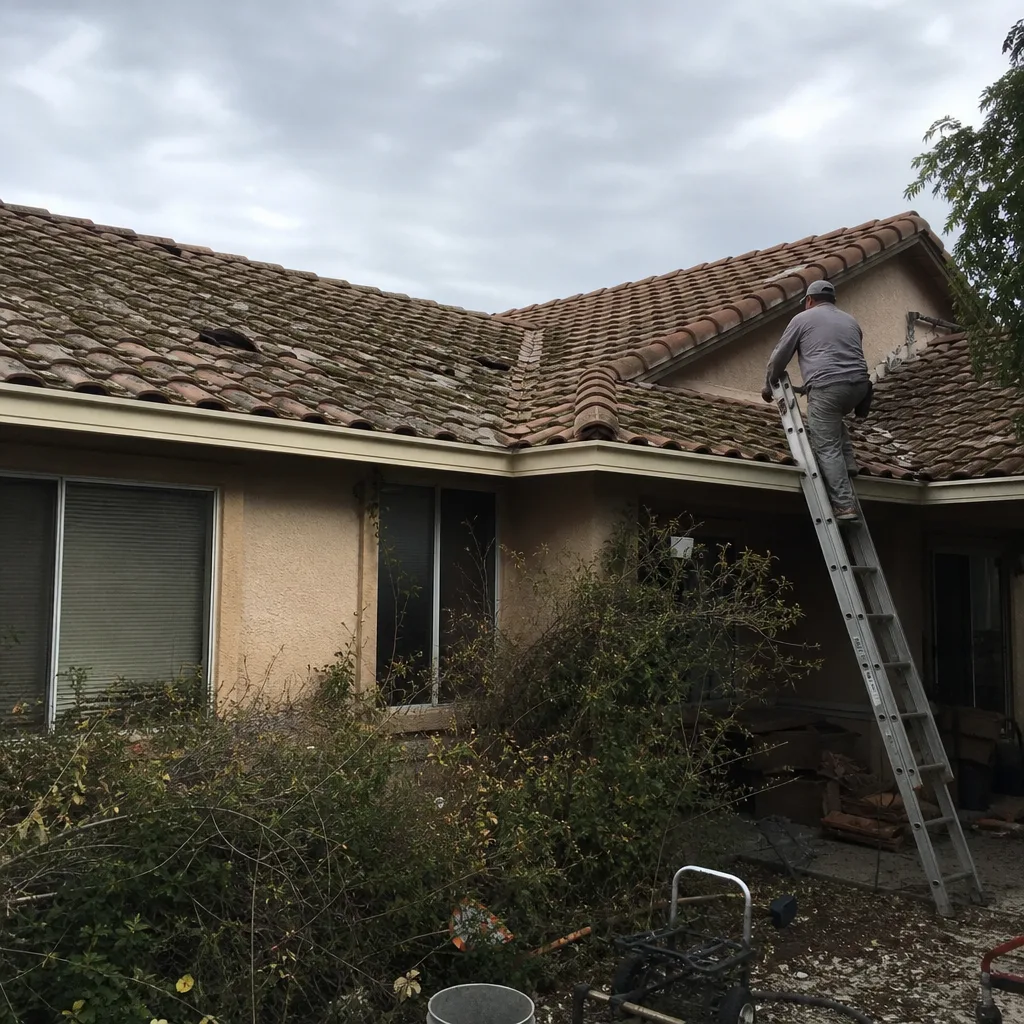 Before
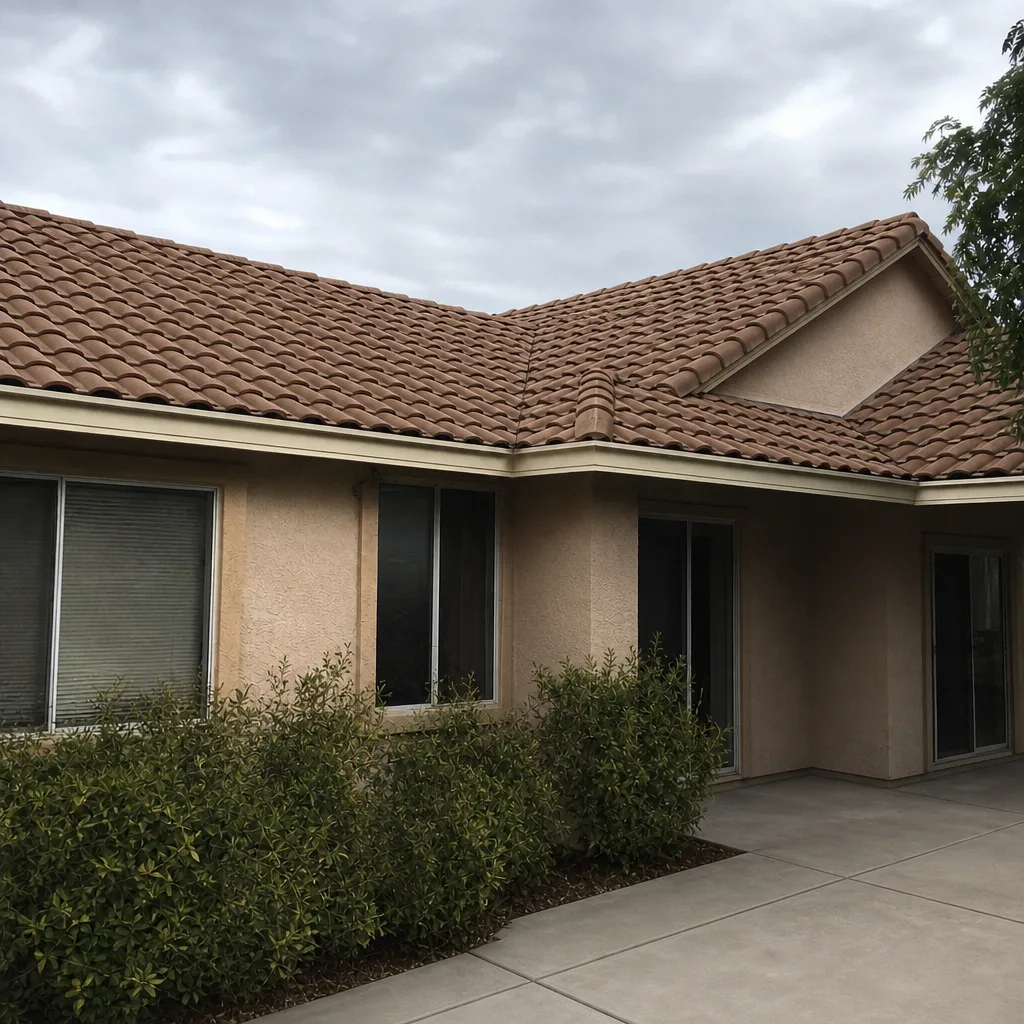 After