
Last updated November 17, 2026
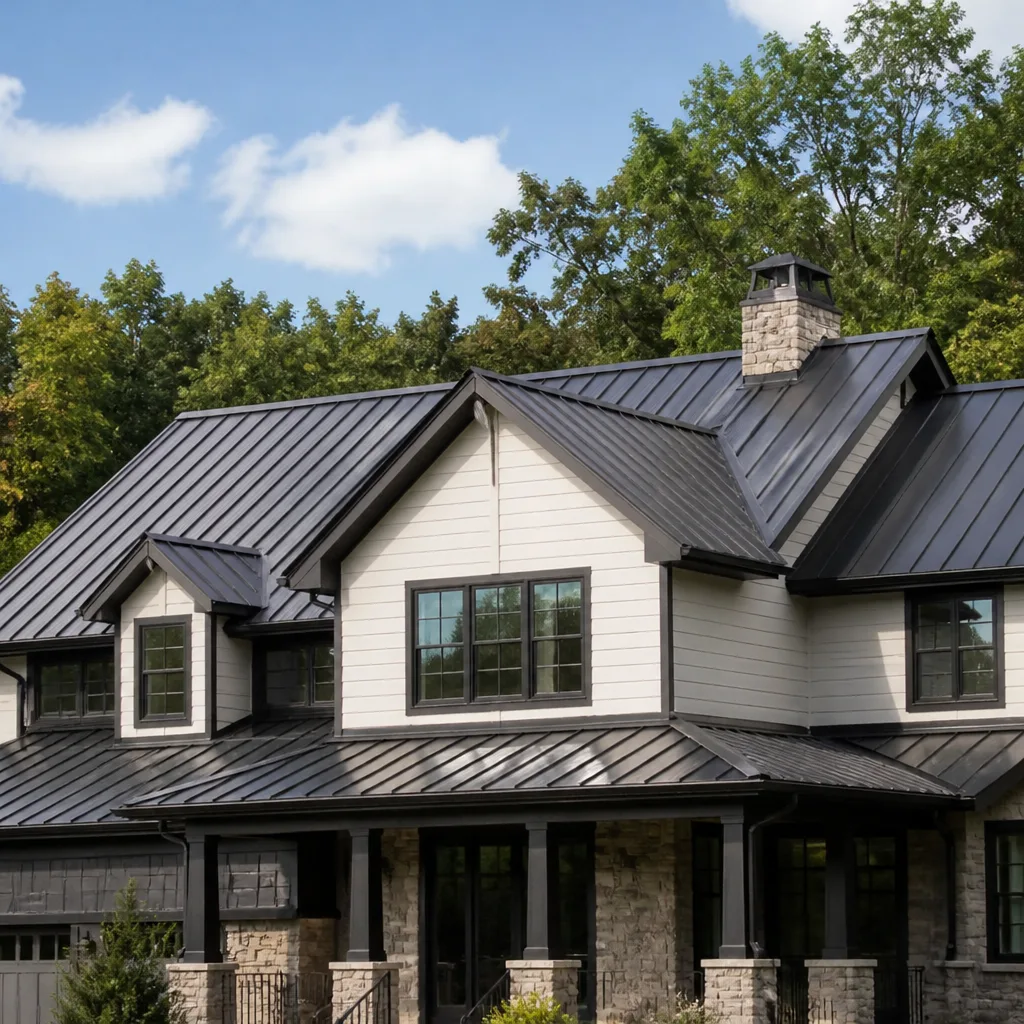 Metal roofing
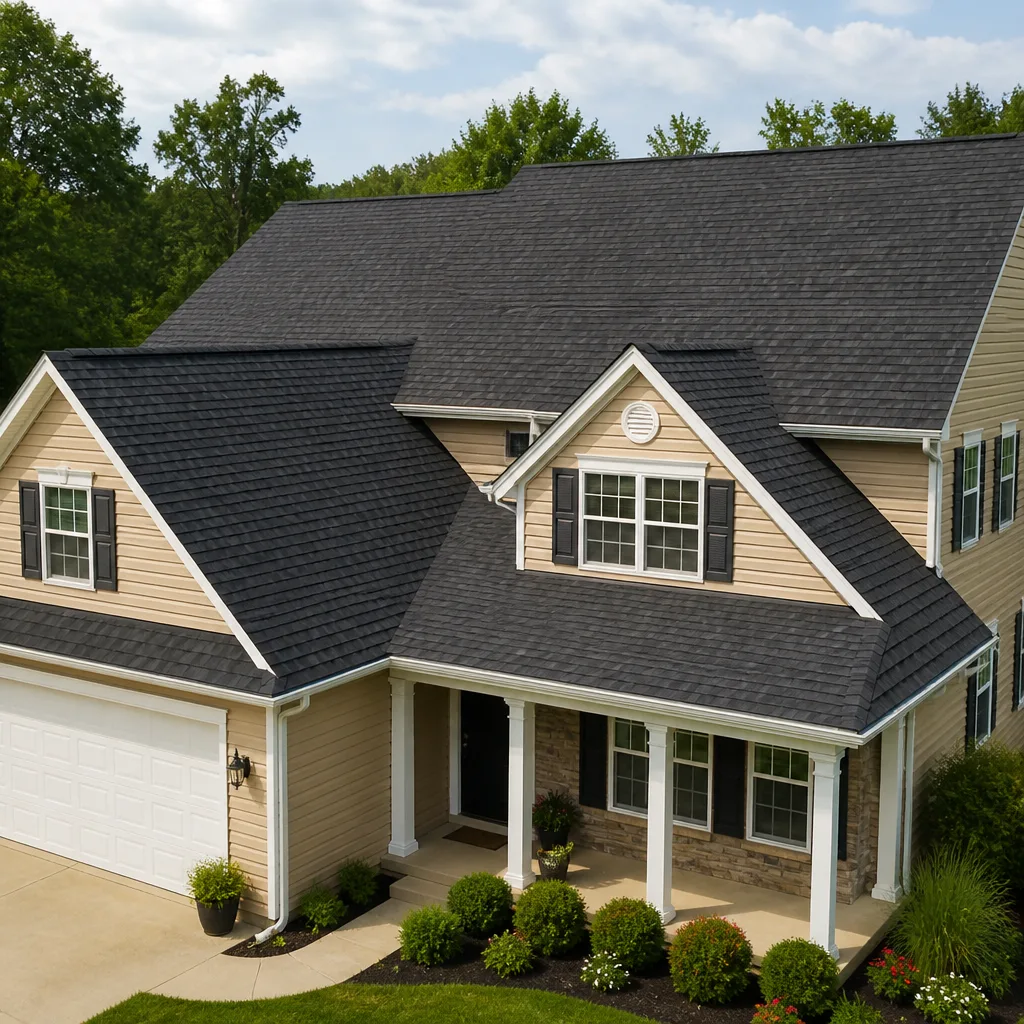 Architectural shingles
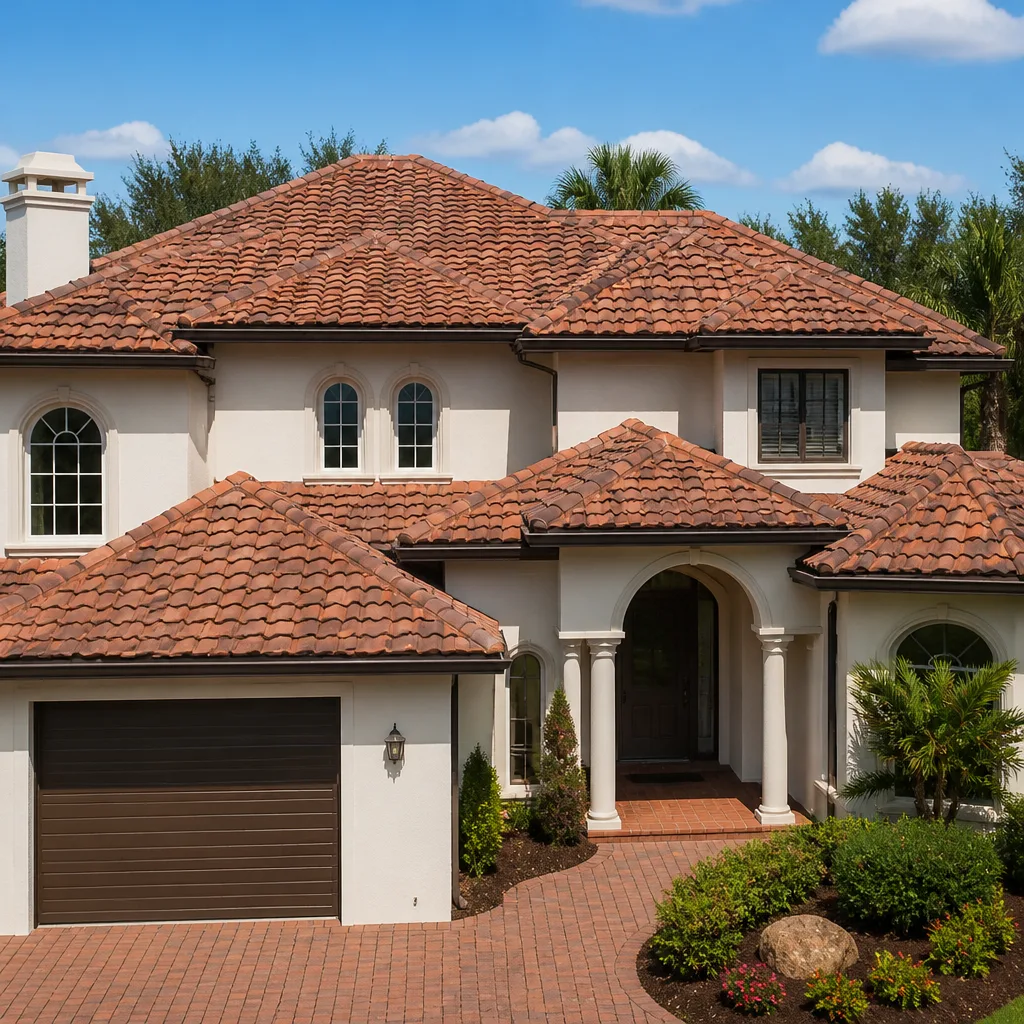 Tile roofing
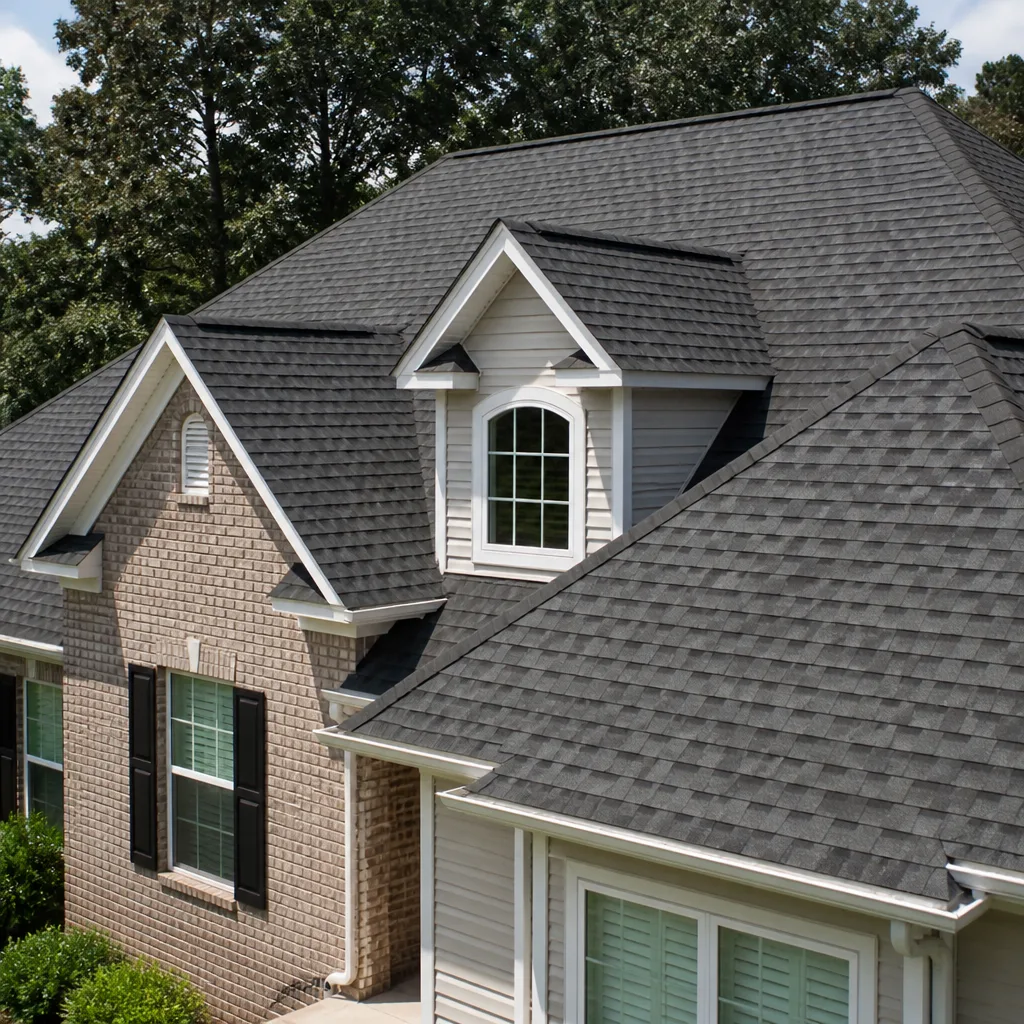 GAF
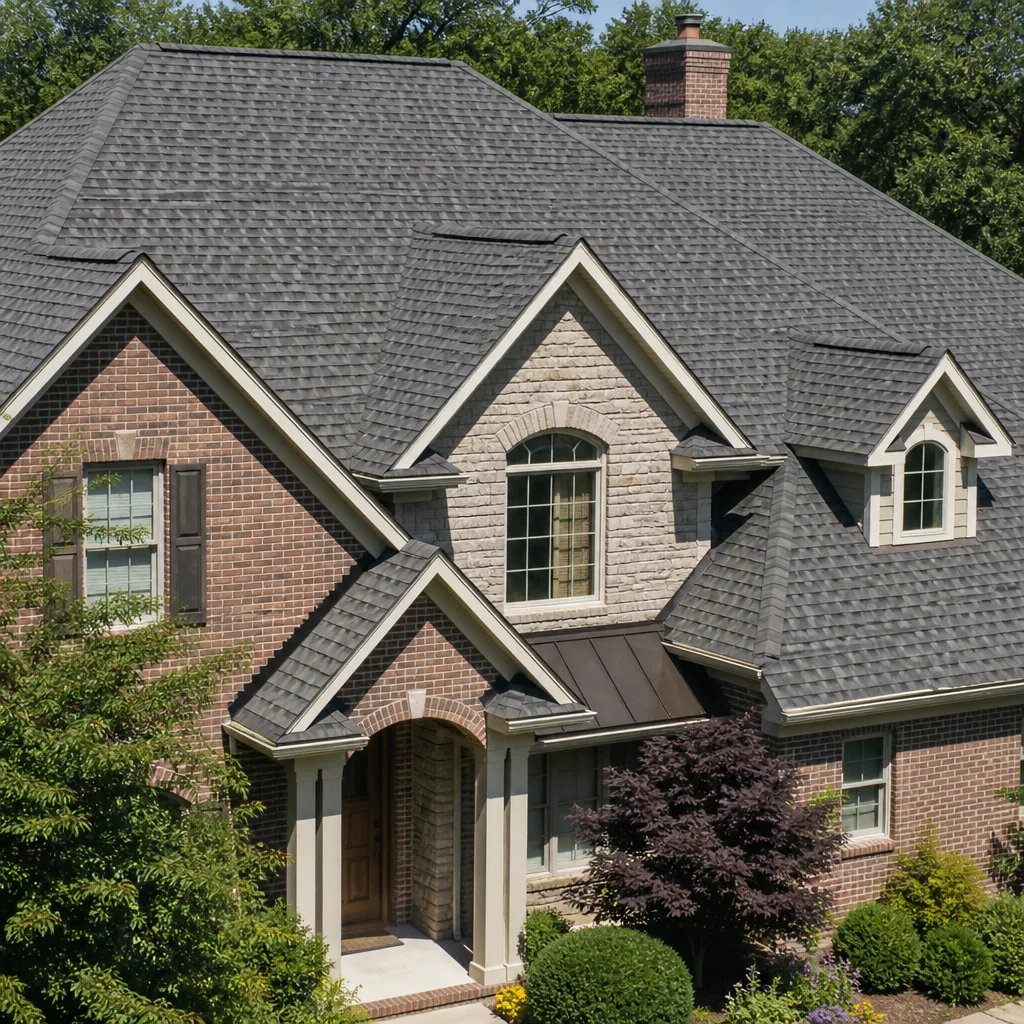 Owens Corning
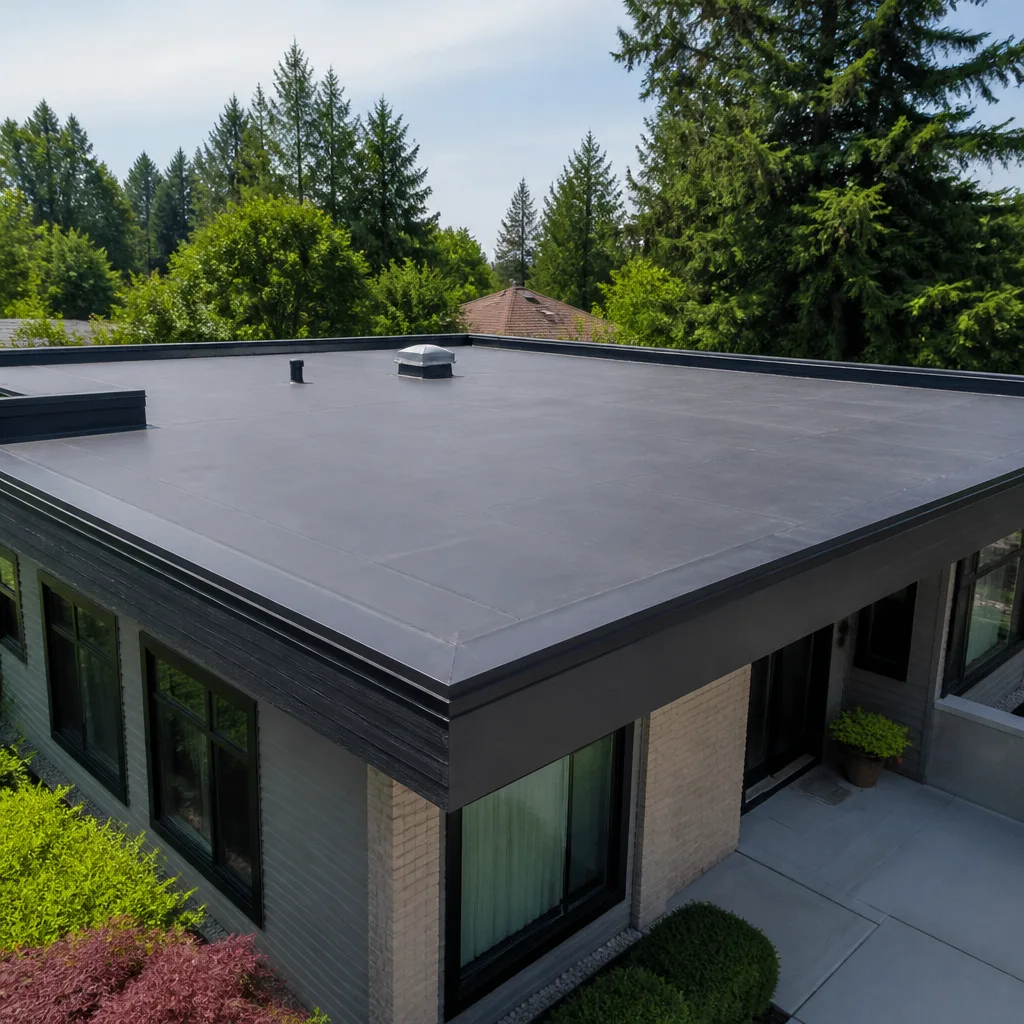 Flat & low-slope
Free roof inspection with deck photos before we talk money - GAF and Owens Corning certified installation
Choosing the Right Roofing Brand: A Buyer’s Guide for Winchester
Most Winchester homeowners start their roofing search by asking which brand is best. That’s the wrong first question. Every major shingle manufacturer makes products that will fail ahead of schedule in Winchester’s sun, heat, and wind if you pick the wrong line within that brand – and every one of them makes products that hold up here just fine. Brand loyalty is a poor substitute for reading the specification sheet. A premium logo on a shingle that lacks the right reflectance, impact rating, or algae treatment is still the wrong shingle for your roof. In this guide, we walk through the specifications that actually matter in the desert, compare the product lines from the biggest manufacturers at each price tier, explain what “lifetime” really means in warranty fine print, and show you why the installer can matter more than the label. By the end, you’ll know how to evaluate a shingle on its merits rather than a salesperson’s preferred-vendor pitch.
Quick Answer
In Winchester, the right roofing brand is the one whose specific product line meets three specifications: an algae-resistance treatment for the shingle surface, a Class 4 impact rating where your budget allows, and a solar reflectance index (SRI) suited to extreme heat. GAF, CertainTeed, Owens Corning, IKO, Atlas, and the other leading manufacturers all offer lines that clear those bars and lines that don’t. Match the specification to your home and sun exposure first, then choose the brand that delivers it at your price point. An installer certified by that manufacturer determines whether you’re eligible for the strongest available warranty coverage.
Styles & brands we work with
- Architectural shingles
- Metal roofing
- Tile roofing
- GAF
- Owens Corning
- Flat & low-slope
Table of Contents
- The Four Specifications That Matter More Than the Logo
- Solar Reflectance Index (SRI) and the Winchester Heat Problem
- Class 4 Impact Resistance: What It Is and When It’s Worth It
- Algae-Resistance Treatment: The Specification Most Buyers Skip
- Side-by-Side: Product Lines Compared at Each Price Tier
- What “Lifetime” Actually Means in Manufacturer Warranties
- Why the Installer Matters as Much as the Brand
- When Premium Is Worth It and When Mid-Tier Closes the Gap
The Four Specifications That Matter More Than the Logo
A shingle is a system of layers, and each layer has a measurable property. When we inspect a roof in Winchester, we look at four numbers before we recommend anything. None of them is the manufacturer’s name.
- Solar Reflectance Index (SRI). A rating of how well the shingle reflects solar energy and releases heat. Higher numbers keep attic temperatures lower in desert heat.
- Impact resistance class. Measured by dropping a steel ball onto a shingle sample. Class 4 is the top rating and denotes the highest tested resistance to impact damage.
- Algae-resistance treatment. A copper-infused granule or similar surface treatment that resists the dark streaking caused by algae growth – a cosmetic problem, but one that reads as aging and can affect resale.
- Wind rating. The manufacturer’s tested maximum sustained wind speed for a properly installed shingle under their installation specification.
Two shingles sold at similar prices can differ dramatically in all four. That’s why comparing brands before comparing specifications is a losing exercise. The leading manufacturers structure their catalogs on a good-better-best ladder for a reason: the entry line and the flagship line often share a brand name and little else. When you’re evaluating a quote, ask for the exact product line, not the parent brand. “Owens Corning Duration” and “Owens Corning Supreme” sit at very different points on that ladder, and both are sold under the same roof-shaped logo.
For a home in the valley, where summer sun exposure is intense and afternoon winds can be sustained, the SRI and impact class matter most. For north-facing slopes and shaded sections, algae treatment and wind rating carry more weight. A single recommendation for a single roof doesn’t work; a specification match does.
Solar Reflectance Index (SRI) and the Winchester Heat Problem
Winchester sits in a desert valley where roof surface temperatures climb high enough to make a low-SRI shingle uncomfortable to touch and expensive to cool under. SRI is the number that quantifies how much of that solar energy bounces off instead of soaking in. A shingle with a low SRI absorbs the heat and radiates a portion into the attic. A shingle with a high SRI reflects more and passes less through. For a homeowner in Winchester, that difference shows up in cooling costs and, more importantly, in the rate at which the shingle itself ages.
Heat ages asphalt. The binder that holds the granules in place softens, then hardens again through daily cycles, and the granules begin to shed. Once the granules are gone, the asphalt underneath is exposed to ultraviolet light and degrades quickly. Higher-SRI products stay cooler, and cooler shingles age more slowly.
What to look for on the spec sheet:
- A listed SRI value, not just a “cool roof” marketing phrase. Manufacturers publish SRI per product color.
- Lighter colors within a line almost always have higher SRI than darker colors in the same line. If reflectance matters for your home, color choice follows specification.
- Energy Star listings for reflective products are useful to verify, but the SRI number itself is what a roofer can compare across brands.
If your home has an unshaded south or west slope and you’re considering a full replacement, this is the specification to start with. If you’re scheduling a roof repair on an existing roof, replacing failed shingles with a higher-SRI product in matching color can be tricky – color matching between an older roof and a new product is often imperfect. Ask about that before committing, and consider whether a partial replacement is the better call.
Class 4 Impact Resistance: What It Is and When It’s Worth It
Hail is uncommon in Winchester, so impact rating is not the first specification most homeowners ask about. But impact resistance isn’t only about hail. It’s about any hard object hitting the roof – a falling branch, wind-blown debris, or the general mechanical wear that comes from a roof taking years of desert storms. Class 4 shingles are tested by dropping a steel ball onto the shingle at a specified weight and height. They resist the damage better than lower classes.
The practical value of Class 4 in Winchester is different from the value in hail country. Here, the strongest case for Class 4 is:
- Mature trees near the roofline. Branches drop; so does seed debris and deadwood. A more impact-tolerant shingle handles those hits.
- Homes exposed to wind-driven debris during the monsoon season. If your neighborhood sees consistent high-wind events, a Class 4 shingle in a matching wind rating is the sturdier option.
- Homes with a long ownership horizon. The longer you plan to own, the more the impact premium pays back in reduced repair likelihood.
What it isn’t is a guarantee. A Class 4 rating means the product resisted the tested strike in a lab. It doesn’t mean the roof assembly is impact-proof, or that a heavy branch won’t cause damage. When a storm passes through Winchester and you’re not sure of the condition of your shingles, a professional roof inspection tells you more than any shingle specification alone.
Algae-Resistance Treatment: The Specification Most Buyers Skip
Algae streaking is the dark stain that runs down a roof from the ridge toward the gutters and looks, from the street, like the roof is aging from the top down. It’s not dirt, and it’s not always a sign of a failing shingle. It’s a common surface growth, and in humid pockets and on north-facing slopes it can develop even on a well-kept roof. An algae-resistant shingle carries a surface treatment – usually a copper-bearing granule – that inhibits the growth.
Why is this worth a section in a Winchester guide? Because the treatment is often the difference between a roof that looks a decade old at year twelve and one that looks new. Algae streaking is largely cosmetic, but it affects how a roof is perceived: on a resale, on a walk around the block, and on the homeowner’s own confidence about the roof’s remaining life. It’s also not always included. Entry-level shingles from major brands frequently omit the treatment, and mid-tier and premium lines from the same brand usually include it.
When a manufacturer publishes its product catalog, the algae-resistance treatment (sometimes branded with a trademark name like StainGuard, Streak Fighter, or similar) is listed per line. Ask your contractor whether the recommended shingle includes it. If you’re looking at a quote that reads “Owens Corning shingles” with no product line, ask which line. The answer may determine whether you get the treatment or not.
The treatment doesn’t make a roof maintenance-free, but it does remove one of the most common homeowner complaints years after installation. Under a Winchester sun, that’s a small specification with an outsized effect on how the roof reads from the street.
Side-by-Side: Product Lines Compared at Each Price Tier
We work with Roofer Winchester‘s access to seven leading shingle manufacturers – GAF, CertainTeed, Owens Corning, IKO, Atlas, Tamko, and Boral – which means we can compare products across brands at your price point instead of pushing one catalog. Here’s how the tiers break down and which brands cover them.
Entry-Tier (Budget Line)
Entry lines are the least expensive option per square. They generally have the lowest SRI values in the manufacturer’s lineup, often lack algae treatment, and carry shorter warranty terms. Tamko’s entry line and IKO’s entry line both land here. This tier is a reasonable choice for a rental property or a shed roof where the roof isn’t a primary concern. For the primary home in Winchester, we usually recommend moving up one tier.
Mid-Tier (Workhorse Line)
The mid-tier is where most homeowner roofs live because it’s where the specifications start matching the climate. Architectural shingles in this tier typically deliver:
- Algae-resistance treatment as a standard feature
- Wind ratings meeting or exceeding typical local requirements
- Thicker profiles and better granule adhesion than entry lines
- Longer manufacturer warranty terms
Specific lines worth comparing in this tier include Owens Corning’s Duration series, GAF’s Timberline HDZ, CertainTeed’s Landmark, IKO’s Cambridge, and Atlas’s StormMaster. These are not ranked here by brand – they’re listed so you can ask your contractor to quote more than one and compare the specification sheet directly. The performance gap between them within the same tier is usually narrow; the price gap depends on local supply and the contractor’s dealer relationships.
Upper-Mid to Premium (Performance Line)
The top tier of architectural shingles and the designer lines. Thicker, heavier, more granules, higher SRI values in lighter colors, and warranty terms that cover more – often including algae resistance with an extended term. GAF’s Camelot and Grand Sequoia lines, CertainTeed’s Grand Manor, and Owens Corning’s Berkshire Collection sit here. The cost premium is meaningful per square, but so is the specification step-up.
Impact-Rated and Specialty
The Class 4 impact-rated products often overlap with the upper-mid tier. Manufacturer naming varies – GAF markets its impact-rated options as part of the Timberline AS II line, CertainTeed under its impact-resistant products, and so on. If impact is a priority, ask your contractor which specific product in each brand carries the Class 4 rating, because not every line in a manufacturer’s catalog does.
What “Lifetime” Actually Means in Manufacturer Warranties
The word “lifetime” on a shingle warranty almost never means what most homeowners assume. It generally refers to the lifetime of the product as defined by the manufacturer’s own terms, which itself is defined by coverage periods, proration schedules, and eligibility rules. Reading a warranty is more useful than reading the marketing brochure, and the differences between brands come down to a few specific terms.
- Coverage type. Every major warranty splits between a “materials only” component and a “labor and materials” component. The labor and materials coverage is the one that actually helps when something goes wrong, and it’s the shorter of the two.
- Proration. Most warranties are non-prorated for a period – the manufacturer pays full replacement cost during that window – then prorated after. The prorated period reduces the payout over time based on how long the shingle has been in service. A “50-year” or “lifetime” warranty is often non-prorated for 10 or 15 years and prorated after that.
- Transferability. Some warranties transfer to a second owner automatically; others require registration within a window after installation; still others transfer only once and only for a reduced period. If you might sell, this term matters.
- Algae coverage. The algae-resistance warranty is often capped at a lower term than the shingle warranty itself – sometimes 10 or 15 years, even on a line with a longer overall term.
- Installation certification requirement. Many leading brands tier their warranties by installer status. A shingle installed by a manufacturer-certified contractor may be eligible for an extended warranty; the same shingle installed by a standard contractor gets the base warranty. This is the subject of the next section.
Ask to see the warranty document, not just the brand’s summary webpage. The contract is what a warranty claim is decided by, and every major brand publishes it. Compare the transferability and proration terms across the products you’re considering and choose on those terms, not on the number of years in a headline.
Why the Installer Matters as Much as the Brand
On the same shingle, installed in the same climate, two different contractors can produce two very different outcomes – and eligibility for two different warranties. Most major manufacturers offer contractor certification programs. GAF’s is called Master Elite. CertainTeed’s is SELECT ShingleMaster. Owens Corning’s is Platinum Preferred. The programs differ in their requirements – insurance, training, customer satisfaction thresholds, and how much of the manufacturer’s product the contractor installs – but the principle is the same: the manufacturer vets the contractor and, in exchange, the contractor can offer the homeowner an extended warranty that a non-certified installer cannot.
A shingle that carries a base warranty from the manufacturer under a standard installation can carry an extended warranty covering labor and materials under a certified installation. The difference in coverage can be significant. This is the clearest example of why the installer is not a secondary consideration. The right answer to “which brand should I choose” depends in part on which certifications the contractor holds for that brand.
But certification isn’t the whole story. Installation quality depends on details that no certification can guarantee on a given roof:
- Proper underlayment for the local climate and roof pitch
- Correct nail placement and depth for the specific shingle line
- Correct flashing at penetrations and valleys
- Ventilation that meets the manufacturer’s warranty requirements – most manufacturers void coverage when inadequate attic ventilation is found to have contributed to a failure
- Decking check for soft spots, failed fasteners, or sheathing that won’t hold a nail
When you’re comparing quotes in Winchester, ask each contractor which manufacturer certifications they hold, and whether the quoted warranty reflects that certification. A quote that names GAF Timberline but doesn’t state the certification level may leave a stronger warranty on the table. A certified installation costs the same shingle at a different warranty.
When Premium Is Worth It and When Mid-Tier Closes the Gap
Premium shingles cost meaningfully more per square than mid-tier, and on some Winchester homes the difference is money well spent. On others, mid-tier already covers the specifications the climate requires. The decision usually comes down to three questions.
1. How long will you own the home?
The longer the ownership horizon, the more value a premium line delivers. If you plan to stay for fifteen or more years, the specification step-up (thicker mat, better granule adhesion, higher SRI in lighter colors, extended algae warranty) pays back in reduced repair frequency and slower aging. If you plan to sell within five, mid-tier typically holds its value well enough that the premium doesn’t return in the timeframe.
2. How exposed is your roof?
A roof with full southern and western sun exposure in Winchester ages faster than a roof with partial shade. On a fully exposed roof, the premium line’s higher SRI and better heat tolerance do more work. On a shaded roof, the mid-tier performs close to the premium line in real-world terms.
3. Is impact a concern for you?
If you have mature trees near the roofline or you’re in a wind corridor that sees regular monsoon debris, a premium line that carries Class 4 impact resistance is the specification you want. If neither applies, a mid-tier line with a strong wind rating and algae treatment will serve you well. When you’re weighing roof replacement against a repair, this is the question to settle first, because it shapes the quote.
There’s no universal answer here, and any contractor who offers one for every home is telling you more about their sales process than about your roof. When we look at a Winchester roof, the recommendation comes from the roof – not from a preferred brand on the shelf.
Common Mistakes to Avoid
- Choosing a brand before a product line. “CertainTeed” is not a shingle; “CertainTeed Landmark” is. Ask for the specific line in writing on the quote, or you can’t compare what you’re buying. Two quotes that both say “Owens Corning shingles” may be proposing products at opposite ends of the price ladder.
- Skipping the SRI number. In Winchester heat, ignoring the SRI value means ignoring the single most impactful specification for how long the shingle will age under our sun. Ask for it per color. A shingle that’s an excellent choice in Seattle may be the wrong one in the desert.
- Assuming “lifetime” is what you think it is. It’s a defined term in the manufacturer’s contract, usually narrower than the marketing summary suggests. Read the proration schedule and the labor coverage term before you sign.
- Not checking installer certification. The strongest warranty from a brand often requires a certified installer. A cheaper quote from a non-certified contractor may leave you with the base warranty on the same shingle, which is a real cost difference at claim time.
- Choosing an entry line for a primary residence. Entry-tier shingles save money on the square and cost more in the long run in a climate with high sun and heat exposure. They’re reasonable for a rental or a shed; less so for the roof you’ll live under.
- Assuming all architectural shingles are the same. The mid-tier is where manufacturers differentiate most aggressively on specification. Two lines priced closely can differ in impact class, SRI, algae treatment, and wind rating. Compare specification sheets, not marketing pages.
- Ignoring ventilation requirements in the warranty. Many warranties void coverage when inadequate attic ventilation is found to have contributed to a failure. A roof that isn’t vented per the manufacturer’s requirement can void the strongest warranty you paid for. Ask about ventilation as part of the scope.
See the difference
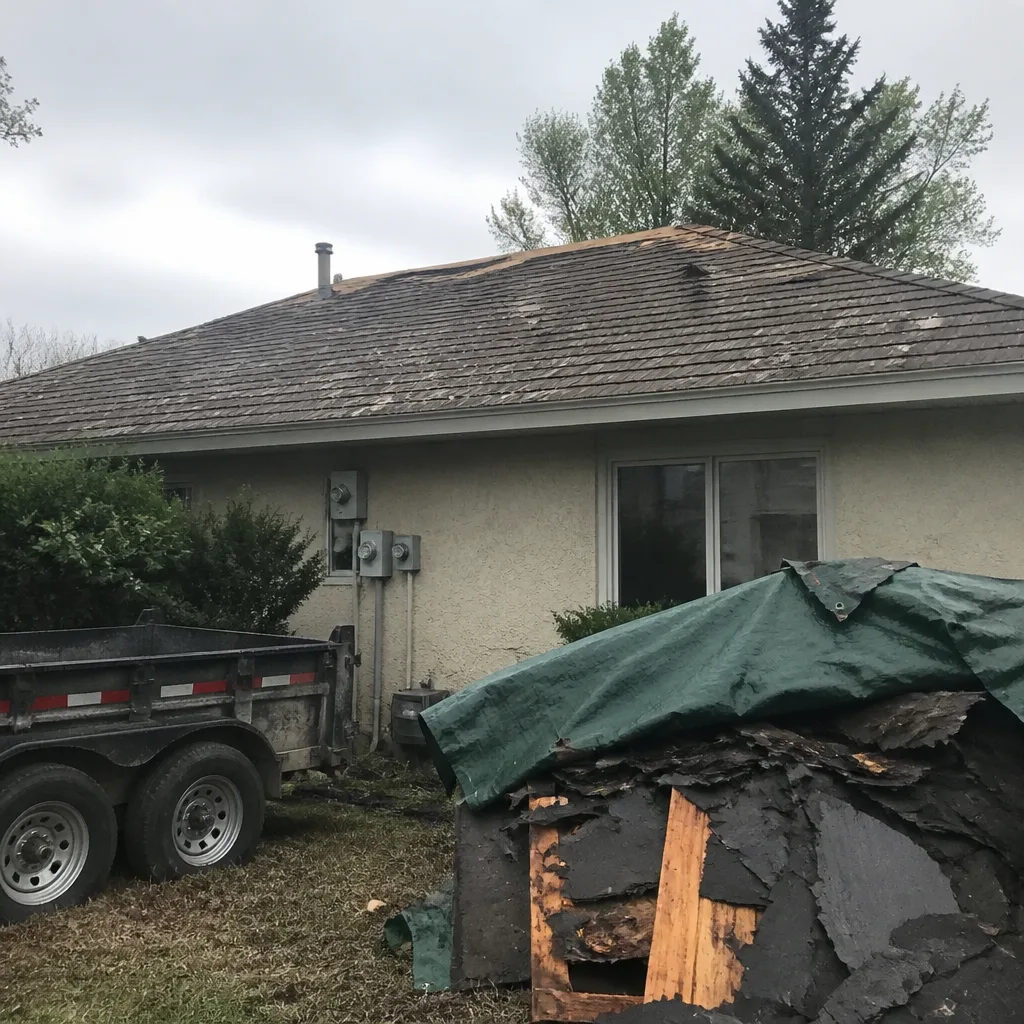 Before
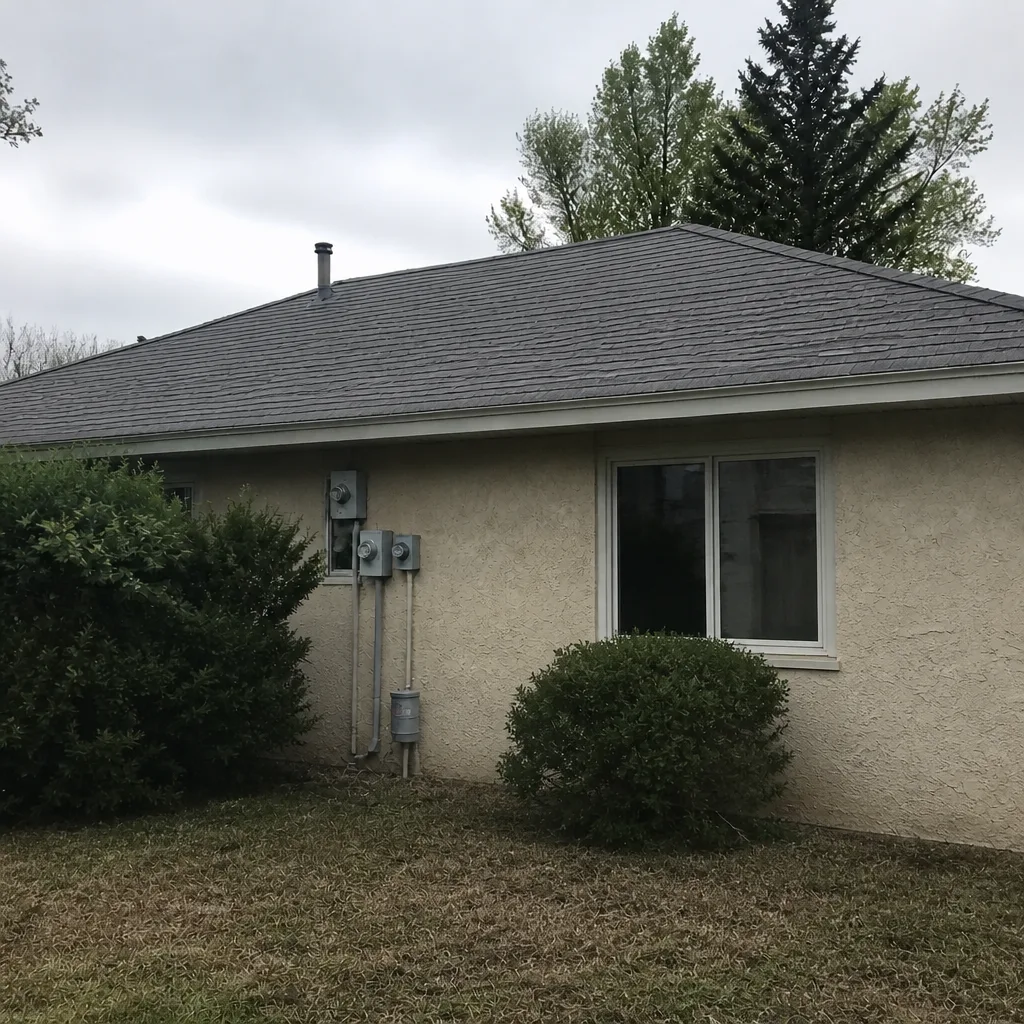 After
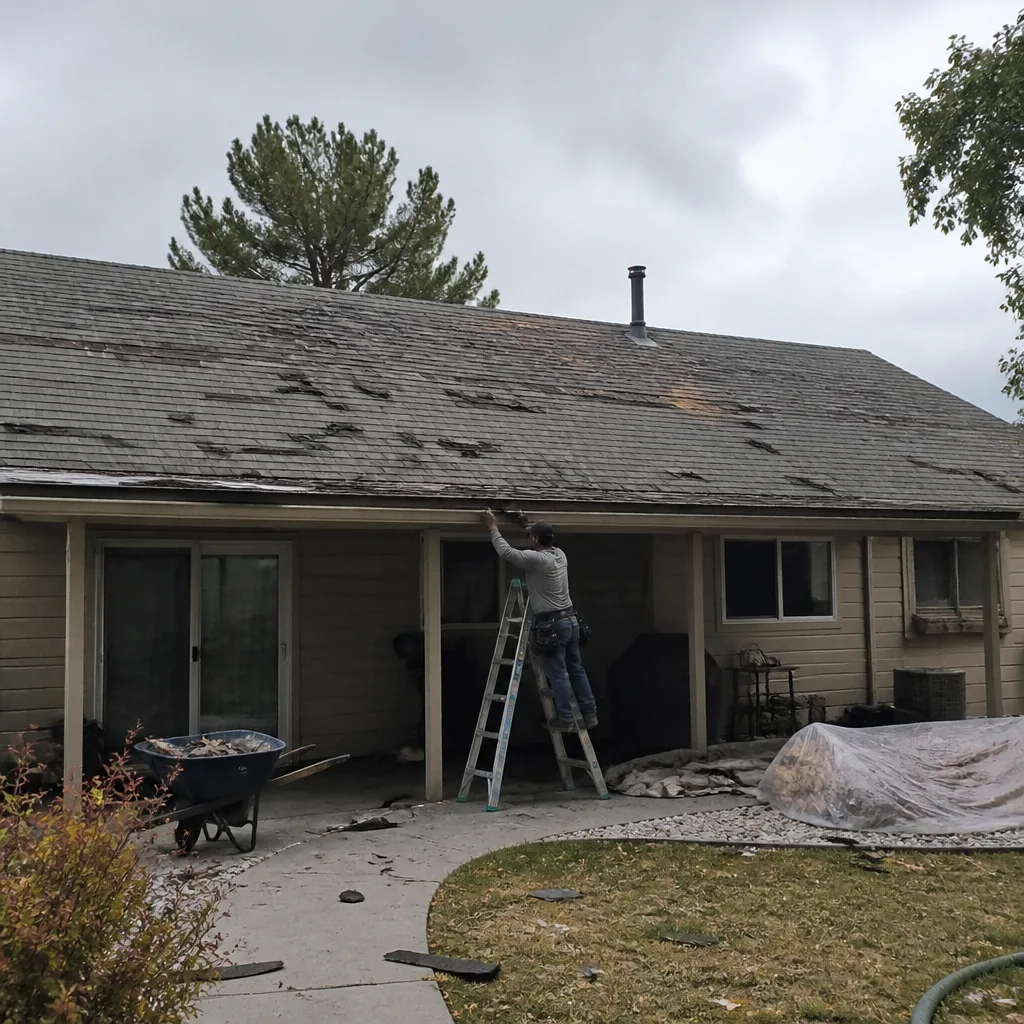 Before
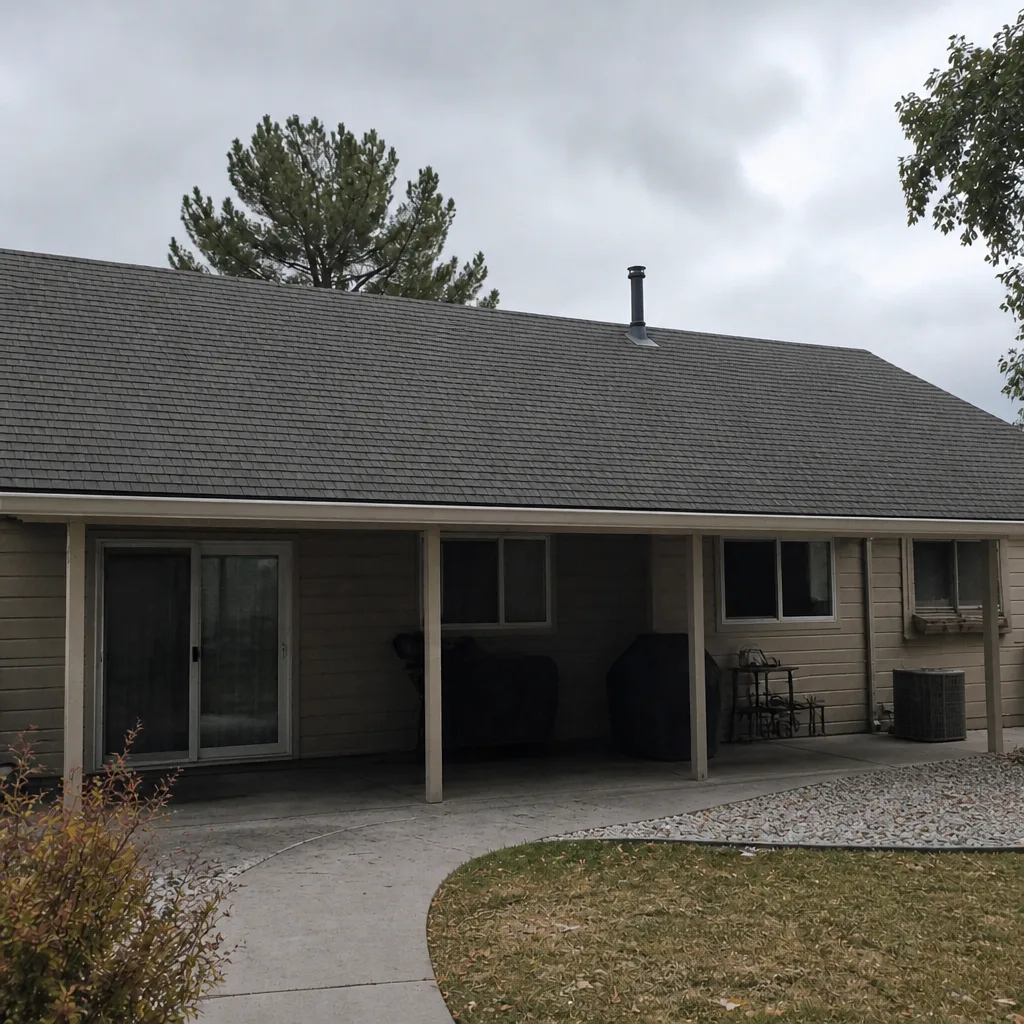 After
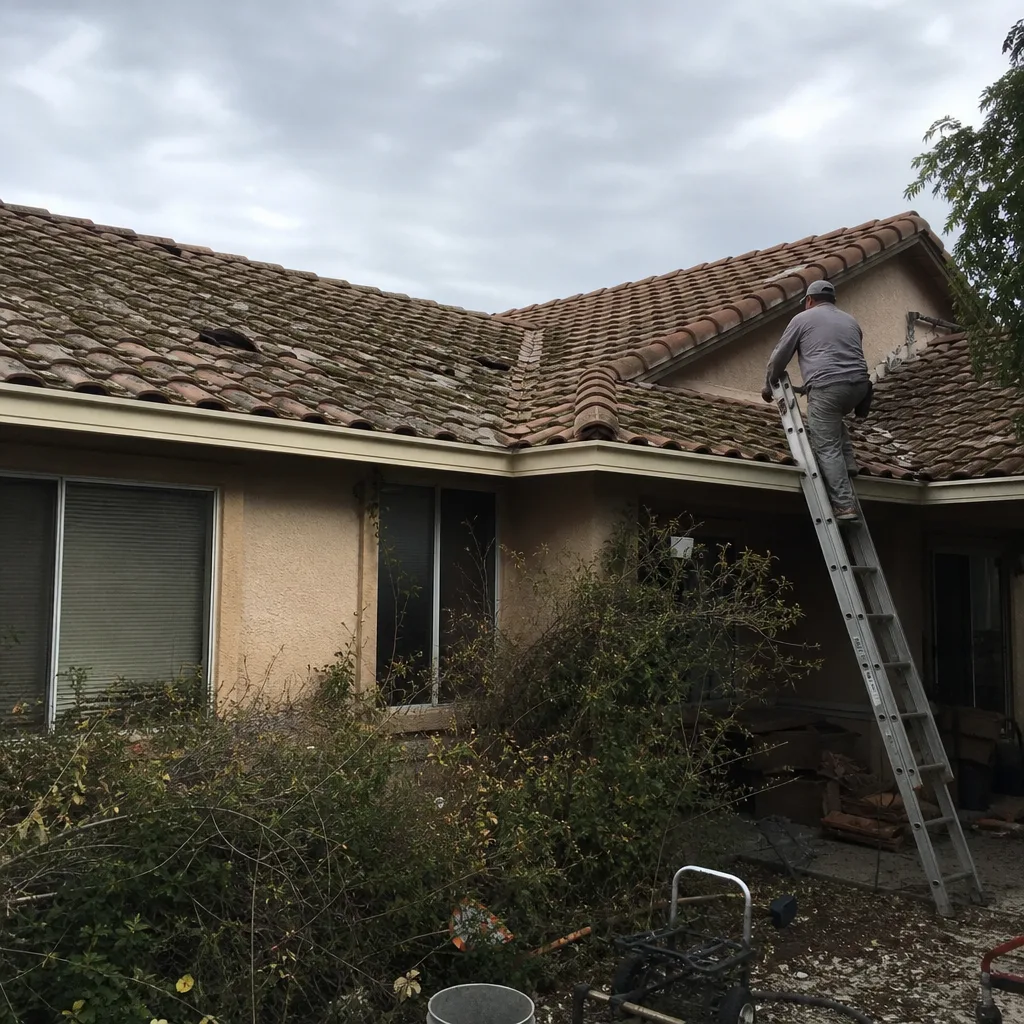 Before
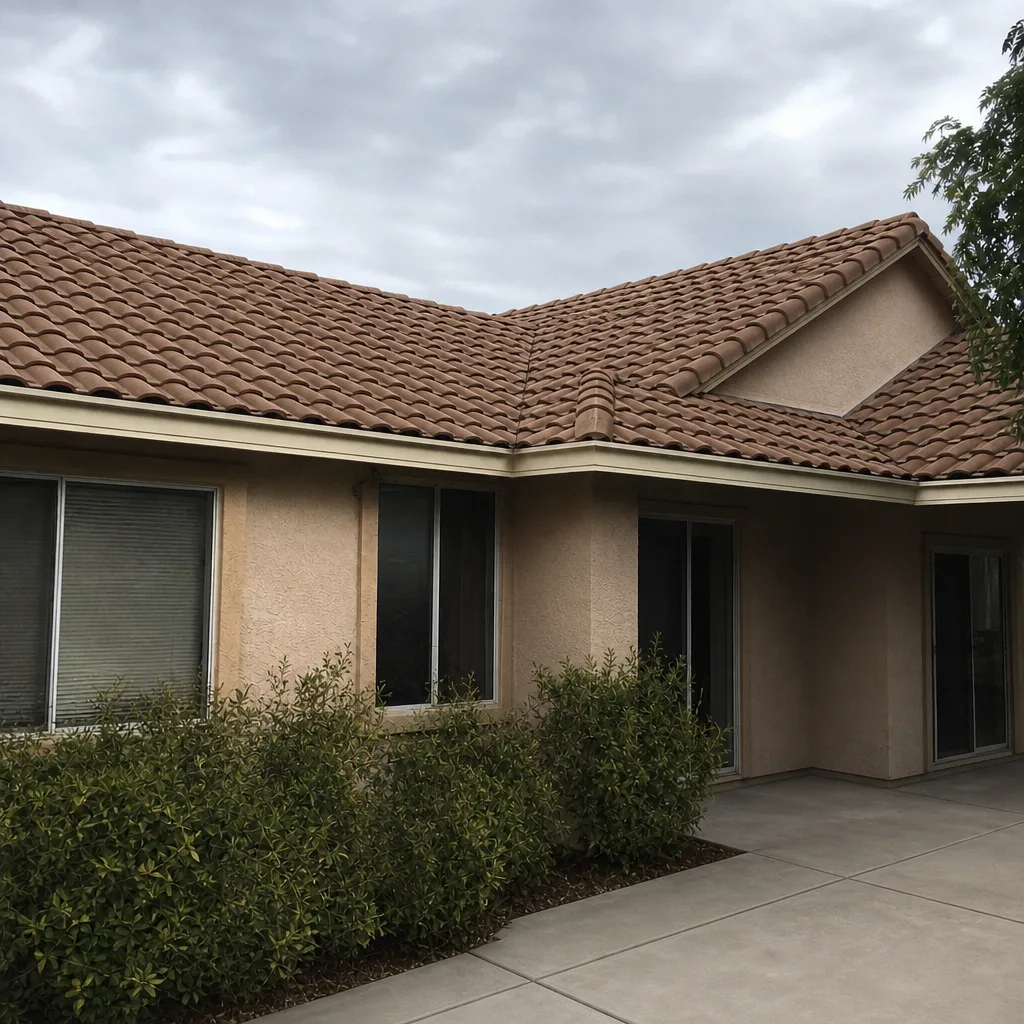 After
When to Call a Professional
You need a professional evaluation if you’re not sure whether your current roof needs a repair or a full replacement, if you’re choosing between brands for an upcoming replacement and want a specification-matched recommendation, or if a recent storm left damage you can’t fully assess from the ground. You also need one if you’re buying or selling a home in Winchester and want an independent read on the roof’s condition before the transaction closes. Our technicians have up to 9 years of experience evaluating roofs across the valley and matching product specifications to homes. We offer free estimates in Winchester – call (833) 390-2853 to schedule yours.
Frequently Asked Questions
There’s no single best brand. The right answer is the specific product line from a leading manufacturer whose SRI, impact class, algae treatment, and wind rating match your home and sun exposure. GAF, CertainTeed, Owens Corning, IKO, Atlas, and Tamko all offer lines that perform well in the desert and lines that don’t, which is why we compare specifications across brands rather than ranking the logos. Call (833) 390-2853 for an exact recommendation – estimates are free.
No. Price reflects position in the manufacturer’s catalog, not a guaranteed match to our climate. Some premium lines are designed for cold-climate performance or heavy snow load and don’t deliver meaningfully more in the desert than a mid-tier product with strong SRI and algae treatment. Conversely, a mid-tier line with the right specifications can outperform a premium line chosen for the wrong reasons. The specification sheet answers this, not the price tag.
Real-world roof life in Winchester depends more on product line and ventilation than on brand. Entry-tier shingles under full sun exposure tend to show wear notably earlier than upper-tier products, and a roof with inadequate attic ventilation ages faster than the same shingle with correct airflow underneath it. The specification-matched product installed with proper ventilation is the version that lasts. A roof inspection is the way to check whether your roof is on a typical timeline or an accelerated one.
Yes. Most leading manufacturers offer tiered warranties based on the installer’s certification status. The same shingle installed by a certified contractor typically qualifies for a longer and broader warranty than the base coverage available through a non-certified installer. Ask each contractor which certifications they hold per brand, and whether the quoted warranty reflects that. Call (833) 390-2853 for an exact quote – estimates are free.
Hail is uncommon here, so Class 4 impact coverage isn’t the automatic choice it would be in hail country. But impact resistance covers more than hail: falling branches, wind-driven debris, and general mechanical wear are all affected. If you have mature trees near the roofline or your home is exposed to monsoon wind events, an impact-rated shingle in a mid- or upper-tier line is worth the premium. If neither applies, a well-specified mid-tier product serves you fine.
Yes, and the difference is often in the details rather than the shingle itself. Two quotes for the same product line may differ in underlayment specification, ventilation scope, flashing replacement, cleanup, and the manufacturer-certification level that determines your warranty. Compare line item by line item, not on the total. If one quote is significantly lower, find out which of those items came out of the scope. Call (833) 390-2853 to review a quote or start with a free estimate.
The Bottom Line
Brand is a starting point, not the answer. In Winchester’s climate, the specifications inside the wrapper – solar reflectance, impact class, algae treatment, and wind rating – determine how long your roof will age gracefully and how well it will hold up under the sun. Every major manufacturer offers product lines that fit the bill here and lines that don’t, so compare specification sheets across brands at your price tier rather than ranking logos. Read the warranty contract, not the marketing page. Choose an installer whose certifications match the warranty you want. And remember that the specialist who quotes the job – the one who does Roofer Winchester work under one trade only – is the one most likely to recommend by product fit rather than by preferred vendor. Roofing only. Done right.
If you’re ready to compare specification-matched recommendations for your Winchester roof, Winchester homeowners can call (833) 390-2853 to schedule a free estimate. We answer 24/7. Fast dispatch from 7am to 7pm, Sunday through Friday. Our technicians have up to 9 years of experience and work across seven leading shingle brands, so the recommendation comes from your home’s needs, not a shelf position.
Written by the team at Roofer Winchester.